
 Home
 Commercial Ventilation Equipment
 Commercial Electrostatic Precipitator
 Commercial Kitchen ESP Hood
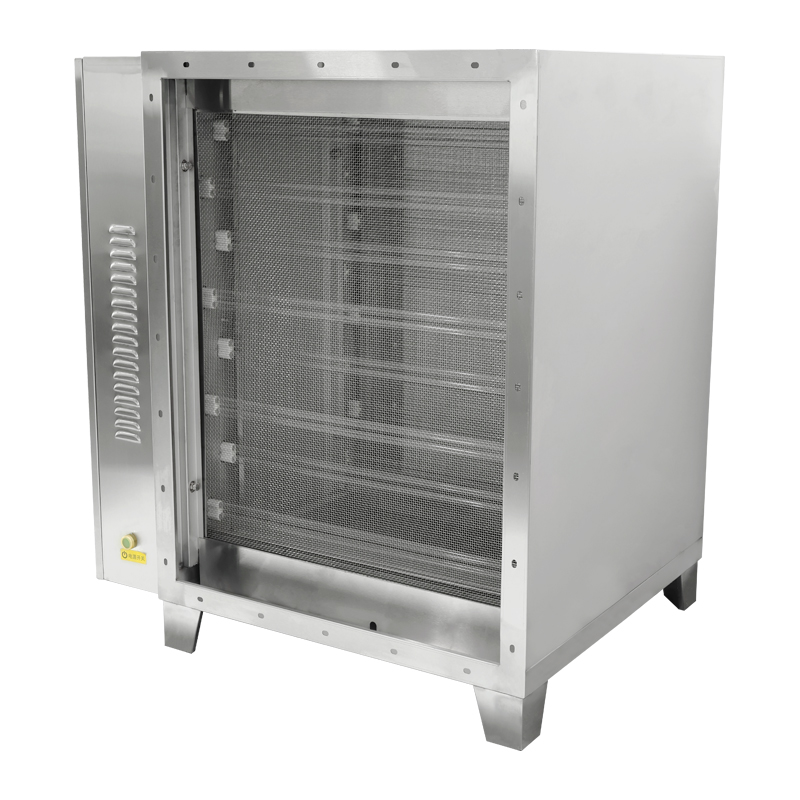 UV Deodorate Purifier
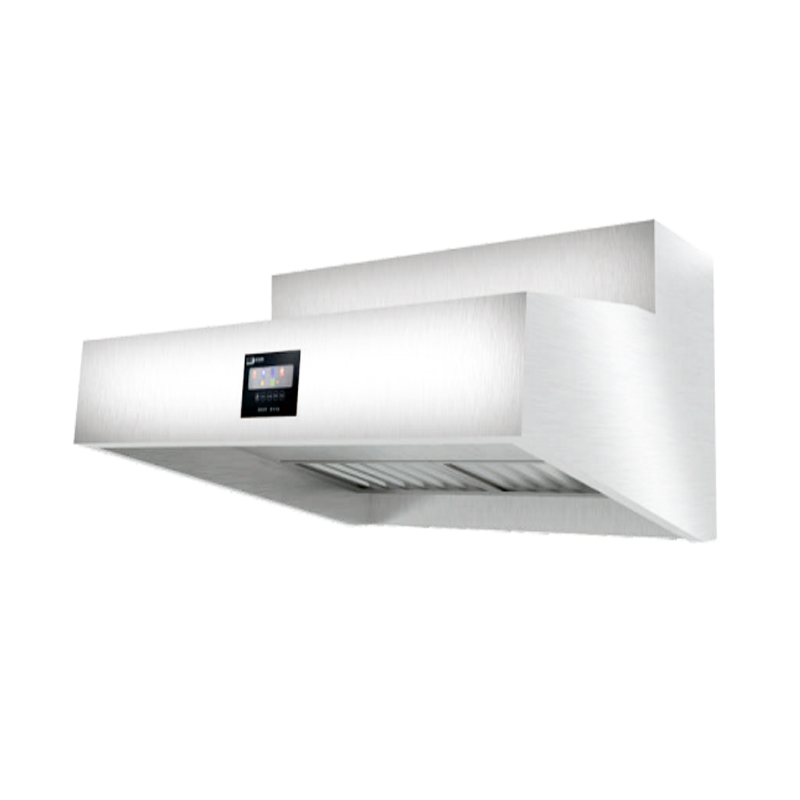 II Commercial Exhaust Hood
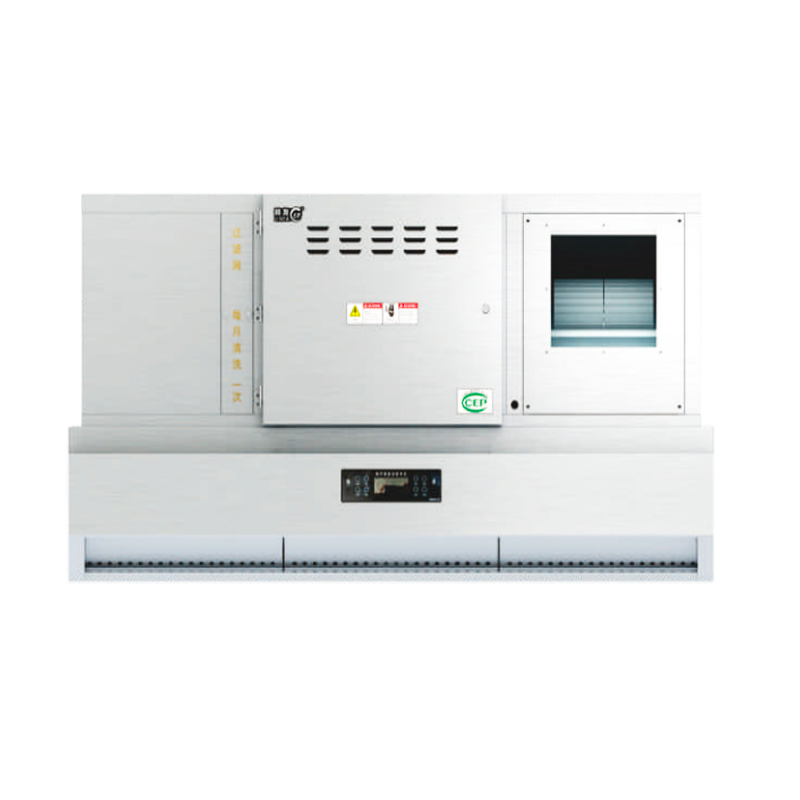 Commercial ESP Range Hood


Tailored Airflow: How to Customize CKV Systems for All-Electric vs. Heavy Gas Kitchens
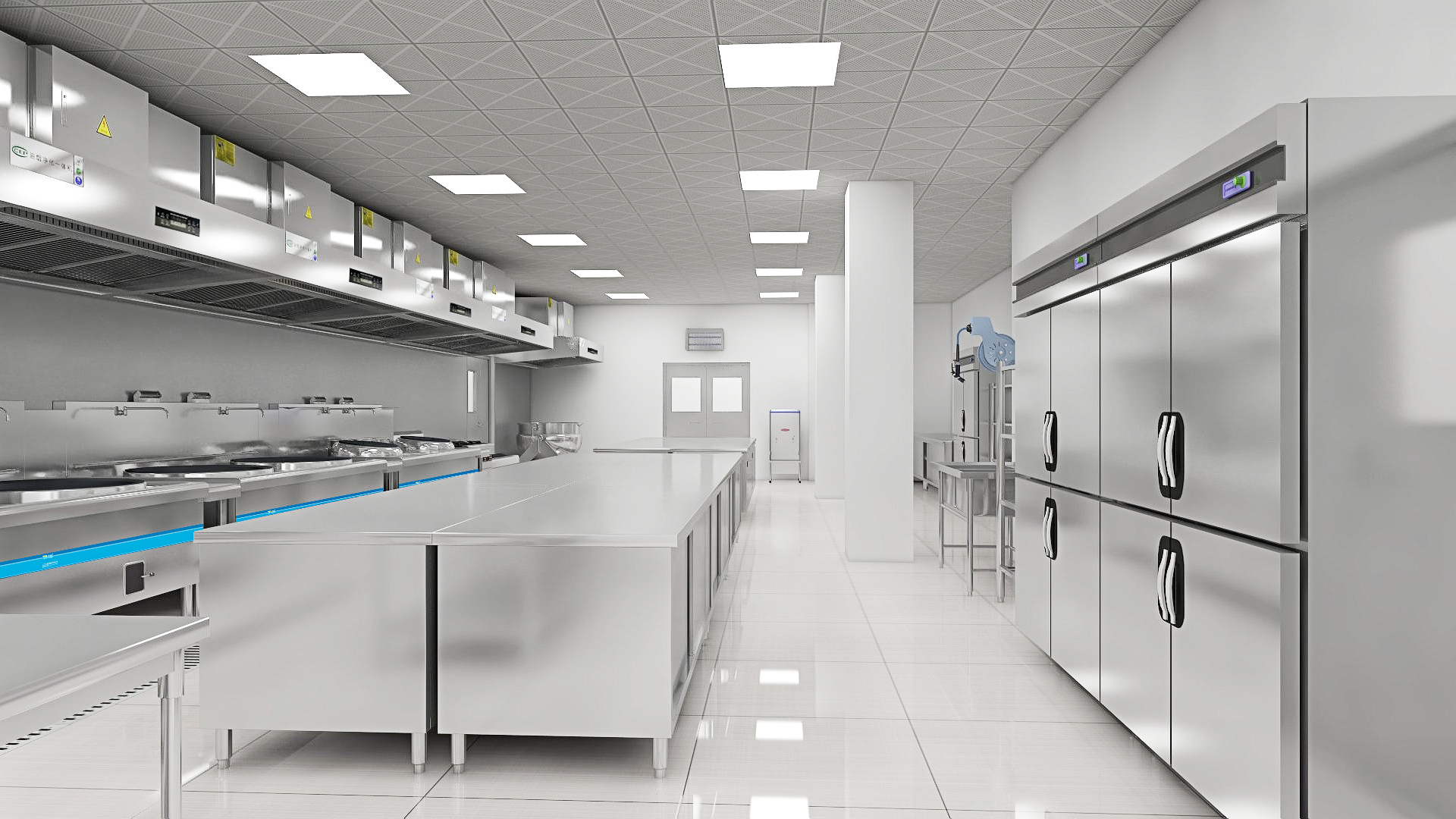
For commercial kitchen consultants, HVAC contractors, and restaurant operators designing a new Back-of-House (BOH) layout, specified equipment selection is only half the battle. The other half—often the most costly and complex—is engineering an efficient Commercial Kitchen Ventilation (CKV) system.
A common and expensive mistake in foodservice engineering is applying a "one-size-fits-all" ventilation approach. Treating an energy-efficient, all-electric cooking line the exact same as a high-heat, gas-fired heavy cooking line leads to severe operational inefficiencies:
· Over-engineering an Electric Line
Drawing excessive exhaust cubic feet per minute (CFM) wastes substantial electricity and dumps expensive conditioned HVAC room air outside.
· Under-engineering a Gas Line
Insufficient static pressure or inadequate oil-particle filtration results in smoke backup, intense ambient heat, grease-laden ductwork, and failed municipal health inspections.
To maximize air quality, fire safety, and energy efficiency, modern CKV solutions must be precisely tailored to the specific thermal and particulate profiles of the cooking equipment underneath.
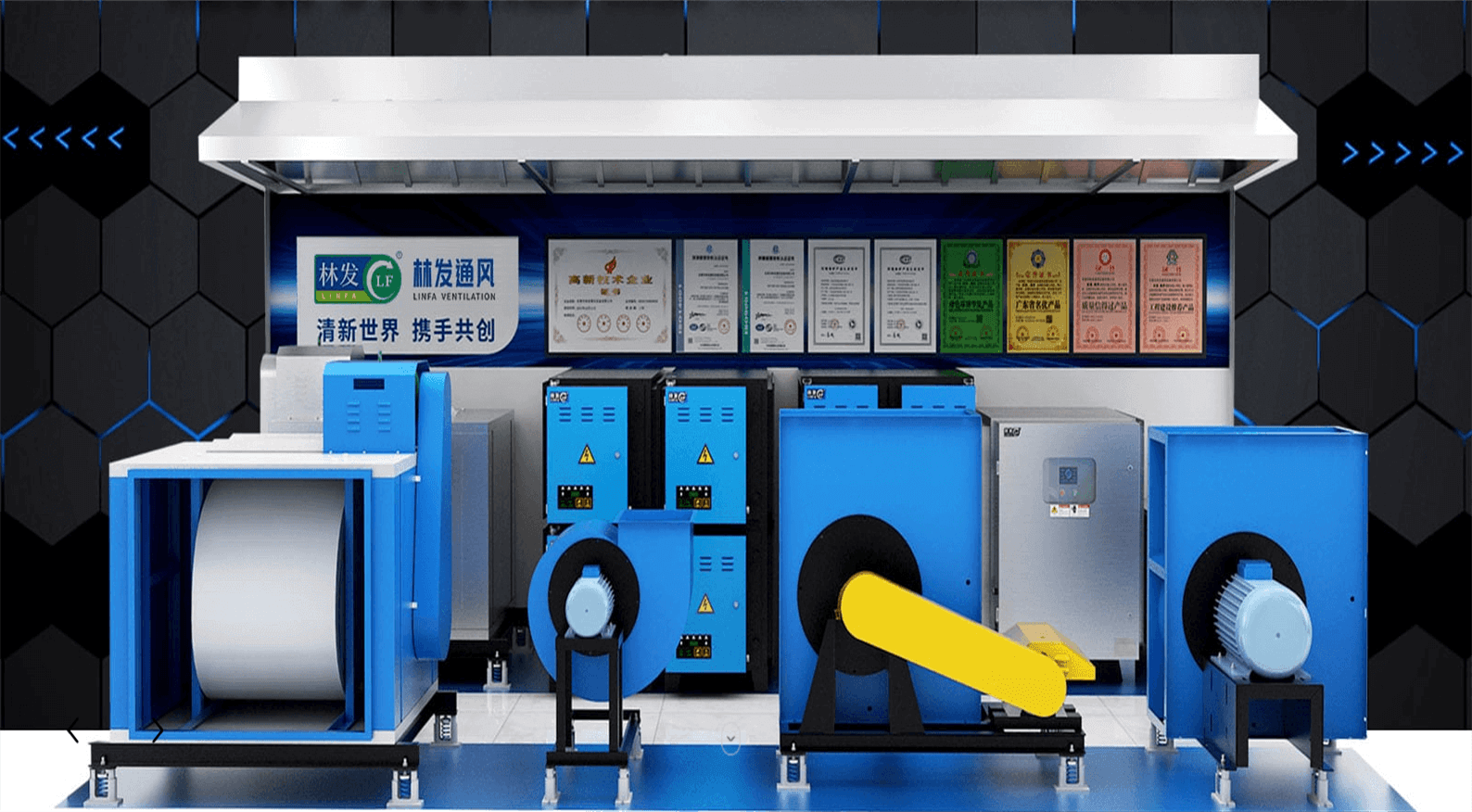
By integrating a multi-stage commercial exhaust hood, a high-efficiency electrostatic precipitator (ESP), and a heavy-duty centrifugal exhaust fan, operators achieve optimized airflow performance for any thermal load.
TAILORED CKV DYNAMICS MATRIX
ELECTRIC LINE (Induction/Robots) → Lower Latent Heat, Fine Aerosol → Optimized Hood + Medium ESP + Variable Centrifugal Fan
HEAVY GAS LINE (Flame/Frying) → High Convective Heat, Heavy Grease → Heavy Water-Wash Hood + Multi-Cell ESP + High Static Fan
In this engineering guide, we will break down the precise thermodynamics, CFM airflow calculation methodologies, and filtration strategies needed to customize ventilation systems for both all-electric and heavy-gas commercial kitchens.
1.Thermodynamic Profiles: All-Electric vs. Heavy Gas Cooking Lines
To design an effective CKV system, engineers must first analyze the heat and byproduct outputs of the cooking equipment below the exhaust hood canopy.
(1)Thermal & Particle Emission Characteristics:
All-Electric Kitchens (Induction Woks, Electric Griddles, Cooking Robots)
Heat Output: Electromagnetic induction transfers energy directly to the cookware with ~90% thermal efficiency. There are zero combustion byproducts (NOx, CO, CO2) or open gas flames. Convective thermal plumes are lower, meaning surrounding kitchen air remains cooler.
Effluent Characteristics: Grease particulates generated by induction cooking or automated drums are often finely vaporized, requiring high-density electrostatic capture rather than heavy bulk grease trapping.
(2)THERMAL EFFICIENCY & EXHAUST LOAD COMPARISON
Electric Line: 90% Thermal Efficiency → Lower CFM → Fine Aerosol
Gas Line: 40% Thermal Efficiency → Higher CFM → Heavy Grease
2.Engineering CKV for All-Electric Kitchens: Smart CFM Reduction & Energy Savings
When pairing CKV equipment with an induction wok range, a commercial electric griddle, or a smart automatic cooking machine, the primary goals are Energy Optimization and Fine Particle Capture.
(1)Customized Equipment Strategy for Electric Lines
Exhaust Hood Selection
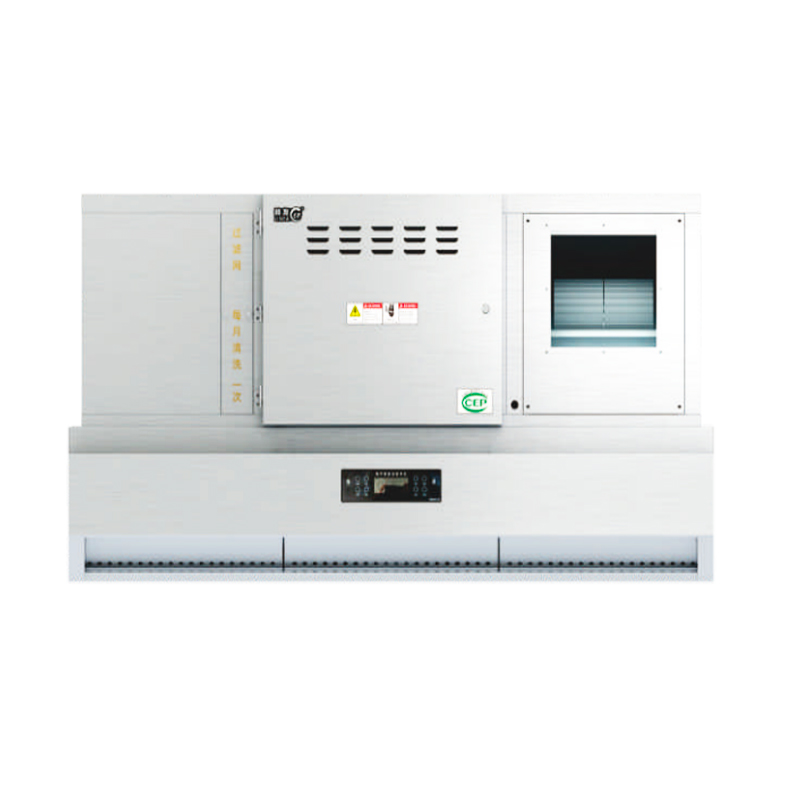
Since thermal plumes under induction lines are less aggressive, engineers can specify streamlined commercial exhaust hoods (such as low-profile proximity or island hoods) with lower capture velocity requirements. Integrating built-in supply air (makeup air) directly into the hood face reduces room HVAC cooling loss by up to 40%.
Electrostatic Precipitator (ESP) Configuration
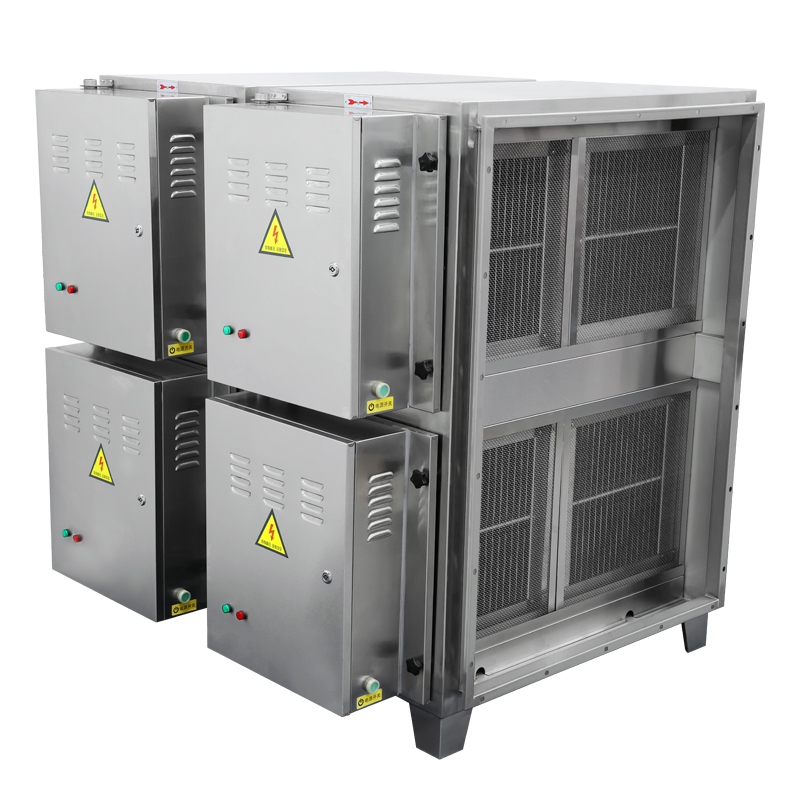
Electric lines generate fine oil aerosols. Sourcing a dedicated electrostatic precipitator (ESP) from a specialized manufacturer allows for high-voltage ionization cells (typically 12kV–14kV) that charge and trap ultra-fine particulate matter down to 0.01 microns with up to 98% efficiency.
Variable-Speed Centrifugal Fan
Because electric equipment operates on demand without idle combustion flames, pairing the exhaust system with a centrifugal exhaust fan/blower equipped with a Variable Frequency Drive (VFD) and temperature/smoke sensors enables Demand-Controlled Ventilation (DCV). The fan ramps down during prep times and ramps up only when active stir-frying occurs.
3.Engineering CKV for Heavy Gas Lines: High Static Pressure & Heavy Grease Trapping
When designing a ventilation system for heavy gas lines—such as gas charbroilers, deep fryers, and high-BTU gas wok ranges—the primary engineering focus shifts to Heavy Grease Containment, Heat Evacuation, and Fire Prevention.
(1)Customized Equipment Strategy for Gas Lines
Heavy-Duty Baffle/Water-Wash Hoods
Heavy gas cooking requires robust commercial exhaust hoods equipped with high-efficiency stainless steel baffle grease filters or automated water-wash systems. These filters act as a flame barrier (UL 1046 certified) while knocking down large grease droplets before they enter the upper plenum.
Multi-Cell ESP with Carbon/UV Odor Modules
Gas lines generate dense smoke and pungent VOC odors. A multi-stage electrostatic precipitator (ESP) utilizing dual-pass ionization cells combined with UV-C lamps or activated carbon modules is necessary to break down heavy grease molecules and eliminate offensive odors before discharge.
High Static Pressure Centrifugal Exhaust Blowers
Gas heat creates intense airflow resistance in long duct runs. Heavy gas lines require a backward-curved centrifugal exhaust fan engineered for high static pressure (ESP/Pa). These blowers feature weather-proof, belt-driven or direct-drive motor housings positioned outside the airstream to prevent motor burnout from continuous hot grease exposure.
4. The Integrated CKV Ecosystem: Hood, ESP, and Centrifugal Fan Sizing
Achieving a perfectly balanced commercial kitchen environment requires seamless integration across all three core CKV components. Working with an experienced commercial kitchen ventilation equipment manufacturer ensures that hood capture velocities, ESP airflow capacities, and fan static pressures match precisely.
(1)COMPLETE INTEGRATED CKV FLOW SCHEMATIC
EXHAUST HOOD(Captures Plume & Bulk Grease) → ELECTROSTATIC PRECIPITATOR (ESP) ((Ionizes & Traps Fine/Heavy Oil Particulates)→CENTRIFUGAL EXHAUST FAN (Overcomes Duct Static Pressure) → DISCHARGE TO OUTSIDE (Clean Air Clean Discharge)
(2)CFM Calculation & Sizing Rule of Thumb
Electric Line Baseline: ~200 – 300 CFM per linear foot of hood canopy (depending on duty rating).
Heavy Gas Line Baseline: ~400 – 600+ CFM per linear foot of hood canopy to safely evacuate high-BTU gas heat and heavy combustion smoke.
5.Technical Comparison Matrix: CKV Specification Guidelines
To assist HVAC engineers, MEP consultants, and restaurant owners in specifying the correct ventilation package, this matrix contrasts CKV requirements across both line types:
CKV Engineering Parameter | All-Electric Kitchen Line | Heavy Gas Cooking Line |
Exhaust Hood Type Required | Proximity / Canopy Hood with Baffle Filters | Proximity / Canopy Hood with Baffle Filters |
Airflow Volume Requirement (CFM) | Moderate (200–300 CFM / linear ft) | High (400–600+ CFM / linear ft) |
ESP Filtration Configuration | Single-pass or dual-pass high-voltage ESP cell | Dual-pass heavy-duty ESP + UV/Carbon Odor Module |
Centrifugal Fan Pressure Rating | Medium Static Pressure | High Static Pressure (Backward-curved impellers) |
HVAC Air Replacement (Makeup Air) | Lower demand (Preserves conditioned indoor air) | High demand (Requires dedicated makeup air unit) |
Energy Consumption Overhead | Low (DCV variable speed control optimized) | High (Continuous high-CFM evacuation required) |
Fire Hazard Risk Level (NFPA 96) | Extremely Low (Zero open flame or gas lines) | High (Heavy carbonized grease buildup risk) |
6.Conclusion: Precision Engineering for Maximum Return on Investment
In modern commercial food service, kitchen ventilation is no longer just a tin box hanging from the ceiling—it is a sophisticated environmental control system. Specifying the wrong ventilation package for your equipment line will cost your business tens of thousands of dollars in wasted electricity, frequent equipment service calls, or health code non-compliance.
By customizing your CKV package to match your specific cooking technology—deploying optimized commercial exhaust hoods, high-efficiency electrostatic precipitators (ESP), and heavy-duty centrifugal exhaust fans—you ensure crystal-clear kitchen air, lower energy bills, and total peace of mind during municipal inspections.
Whether you are retrofitting a traditional gas kitchen or building a state-of-the-art all-electric facility, choose a ventilation setup engineered for your exact operational needs.
If you are a commercial kitchen consultant, HVAC contractor, MEP engineer, or restaurant owner looking for customized CKV equipment packages, let's collaborate.
Leave a comment below or contact us directly- your premier commercial kitchen ventilation equipment manufacturer. We provide factory-direct, globally certified exhaust hoods, high-efficiency ESP units, and centrifugal blowers built to meet international CE safety standards. Contact our engineering team today for custom CFM calculations, system schematics, and factory-direct pricing for your project!