
 Home
 Commercial Ventilation Equipment
 Commercial Electrostatic Precipitator
 Commercial Kitchen ESP Hood
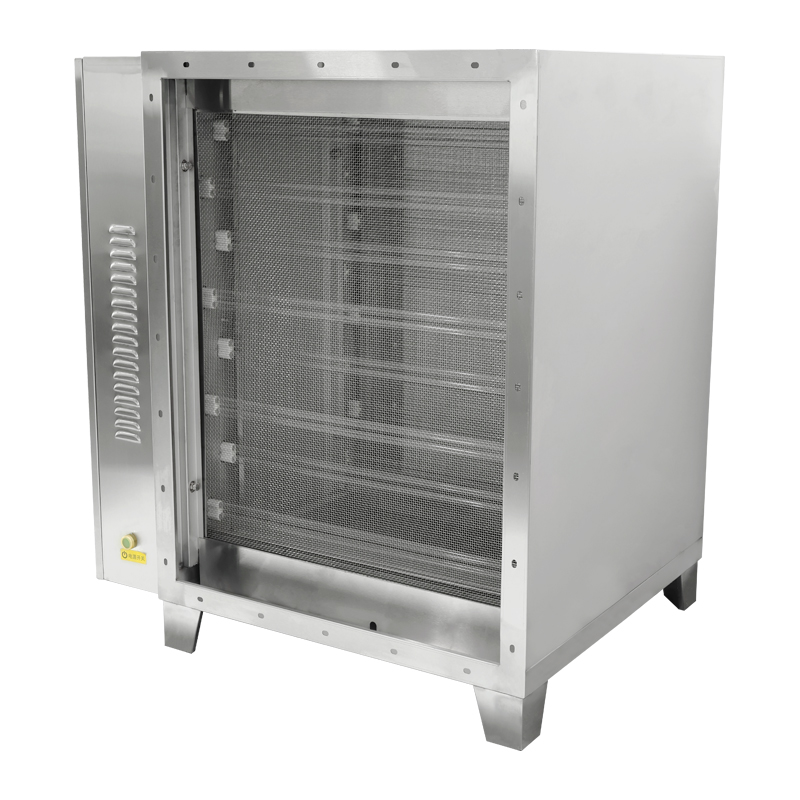 UV Deodorate Purifier
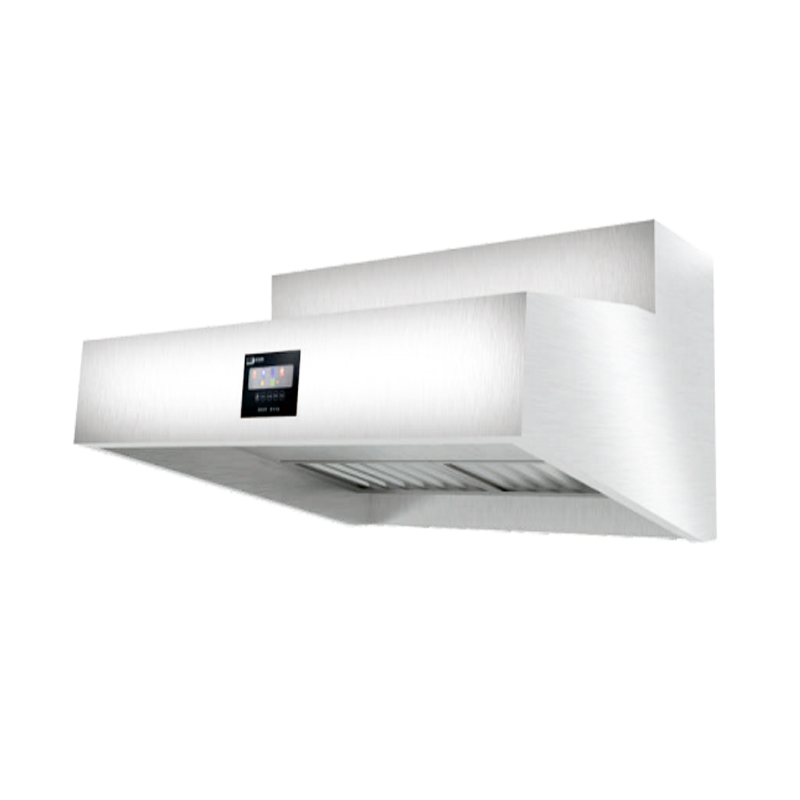 II Commercial Exhaust Hood
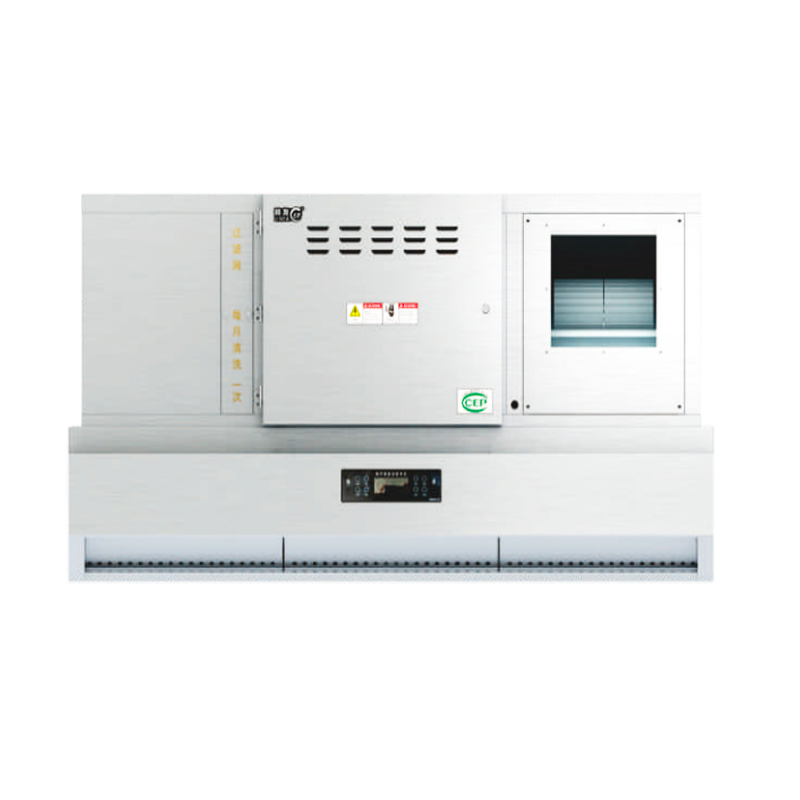 Commercial ESP Range Hood


How Acoustic CKV Systems Achieve High Flow with 60% Less Noise
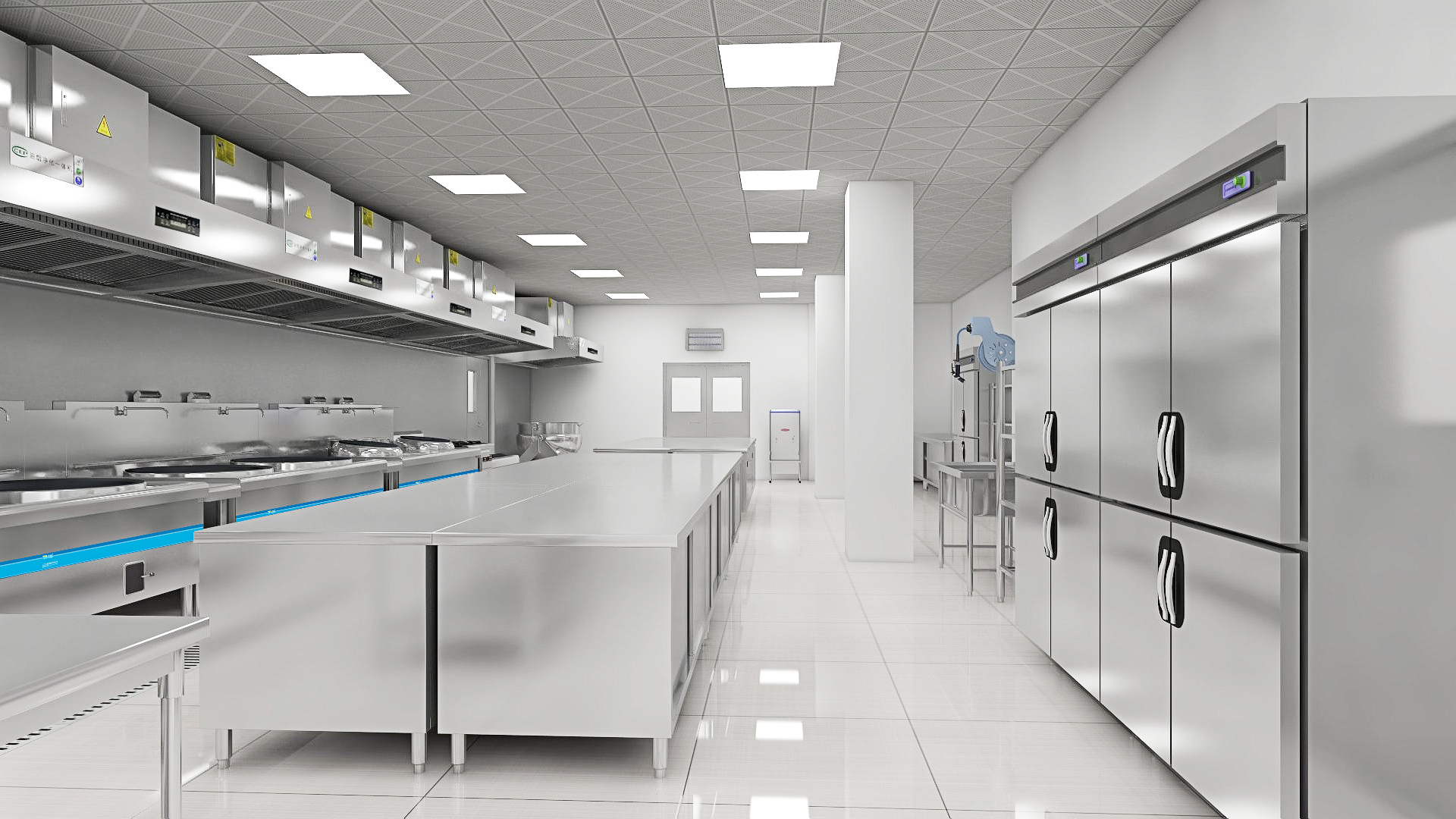
For high-end hotel Executive Chefs, open show kitchen designers, fine-dining operators, and luxury club facility managers, the dining experience is defined not only by the food but by the atmosphere.
In premium commercial kitchens, traditional Commercial Kitchen Ventilation (CKV) systems present a hidden operational crisis:
(1)Deafening Noise Pollution
Standard inline fans and uninsulated exhaust blowers routinely generate noise levels exceeding 85 to 90 dB(A). This deafening roar degrades front-of-house ambiance in open kitchens, makes staff communication hazardous, and drives up kitchen employee turnover.
(2)Indoor Air Quality (IAQ) & Thermal Stress
Low-quality exhaust systems create severe pressure imbalances, spilling carbon monoxide, microscopic oil aerosols, and suffocating heat back into the cooking zone and customer seating area.
To protect restaurant ambiance, comply with municipal environmental noise ordinances (such as OSHA and European CE Directives), and create a healthy, high-efficiency working environment, forward-thinking hospitality engineers specify Ultra-Quiet & High-IAQ CKV Systems.
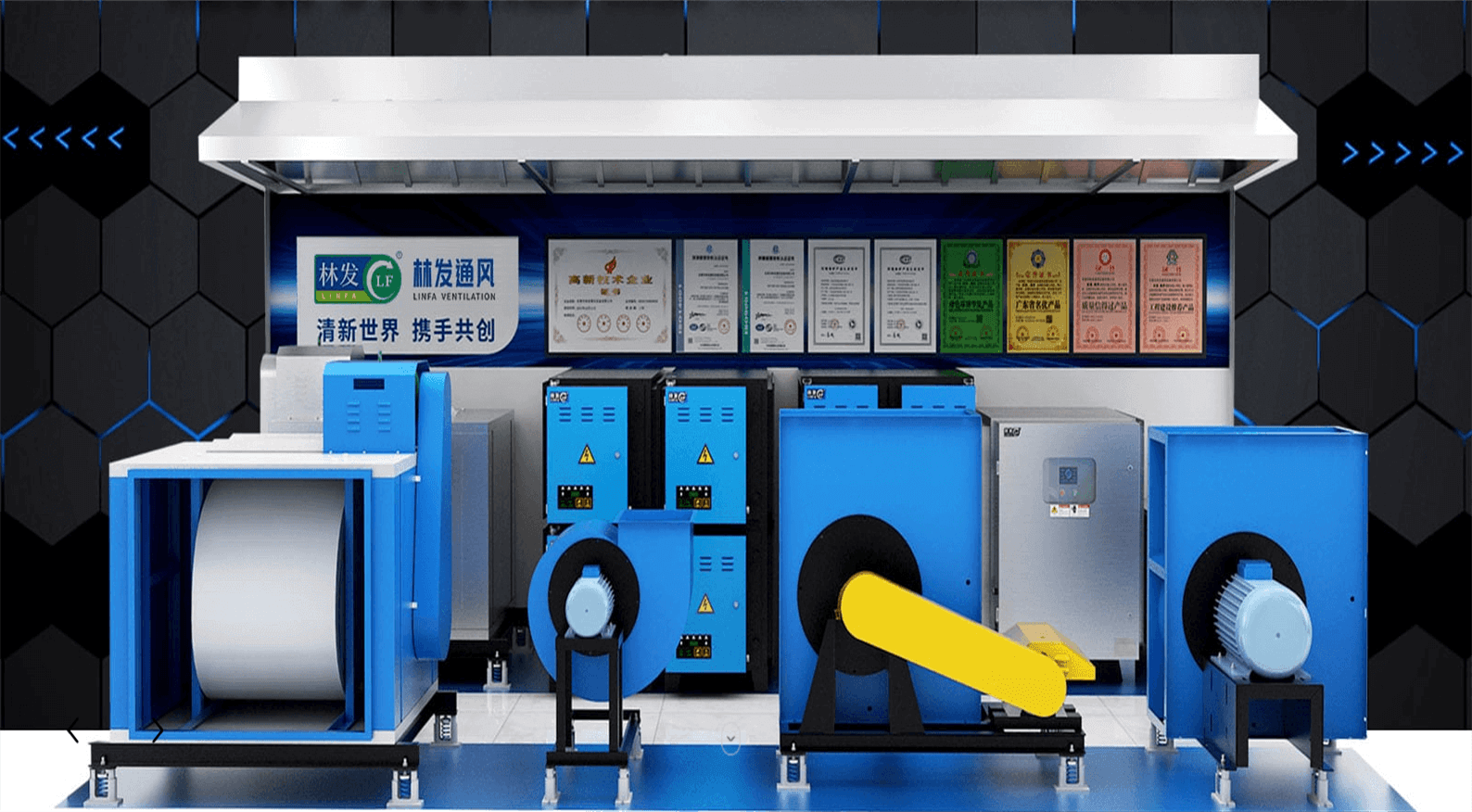
By combining a dynamic low-velocity commercial exhaust hood, a zero-flow-resistance electrostatic precipitator (ESP), and a double-walled, acoustically insulated centrifugal exhaust fan, operators cut system sound levels by up to 60% while maintaining superior smoke extraction and 98% purification efficiency.
(3)TRADITIONAL CKV vs. ACOUSTIC ULTRA-QUIET CKV
TRADITIONAL CKV: Direct Drive Fan + Single-Wall Duct + High Turbulence → 85-90 dB(A) Deafening Roar & High IAQ Spillover
ACOUSTIC CKV: Double-Wall Insulated Box + Dynamic VFD + Low-Speed → 55-65 dB(A) Whisper-Quiet & Superior Air Quality
In this acoustic engineering and IAQ optimization guide, we explore the physics of noise reduction in commercial ventilation, analyze acoustic enclosure design, and show how low-decibel systems enhance both customer satisfaction and kitchen staff productivity.
1.The Physics of Kitchen Noise: Velocity, Turbulence, and Mechanical Vibration
Understanding ventilation acoustics requires breaking down the three primary sources of noise in a commercial kitchen exhaust line:
(1)Airflow Velocity Noise
High-speed air rushing through narrow, sharp-angled ductwork creates aerodynamic turbulence, resulting in high-frequency whistling and roaring sounds.
(2)Mechanical Fan Vibration
Unbalanced impellers and rigid motor mountings transmit low-frequency structural vibrations directly into the building's walls and ceiling slabs.
(3)Acoustic Reflection inside Canopy Hoods
Uninsulated, hollow stainless steel exhaust hoods act as echo chambers, amplifying cooking sizzles and fan motor hums directly toward cooks' ears.
By engineering larger canopy capture volumes, integrating sound-absorbing acoustic insulation, and balancing centrifugal impellers to Grade G2.5 standards, modern CKV solutions suppress noise at the source.
(4)DECIBEL SCALE & KITCHEN COMFORT ZONE
90 dB(A): Traditional Fan (Hearing Damage Risk / OSHA Limit)
75dB(A): Standard Commercial Kitchen Average
60 dB(A): Ultra-Quiet Acoustic CKV System (Normal Conversation Zone)
2. Low-Velocity Hood Design: High-Volume Capture with Zero Whistle
Noise reduction begins at the canopy level by optimizing intake geometry and reducing face velocities.
(1)Acoustic & IAQ Engineering Features
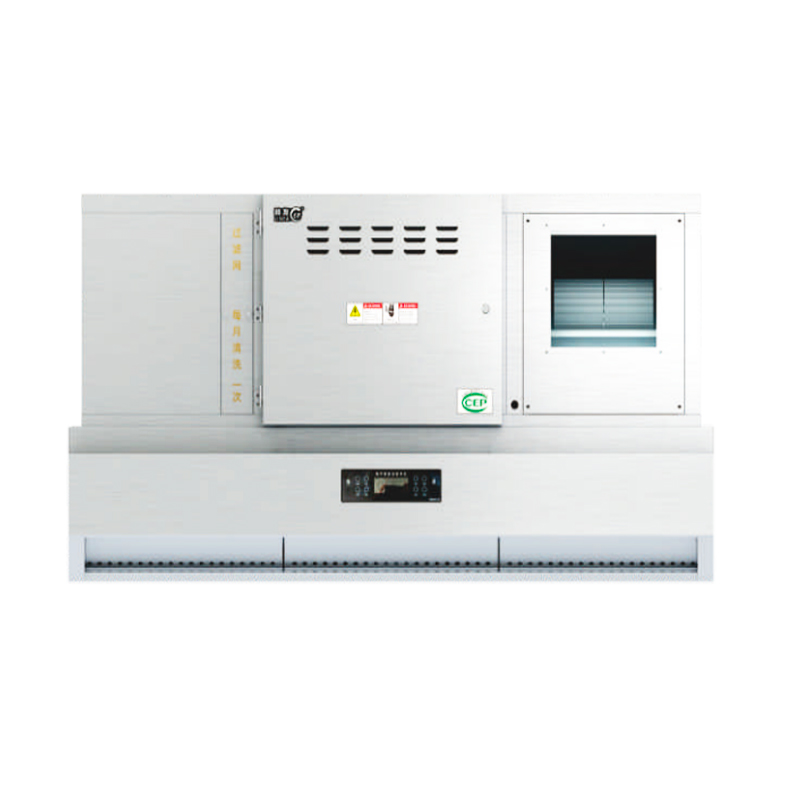
Low-Velocity High-Volume (LVHV) Canopy Geometry
Engineered commercial exhaust hoods expand the internal plenum box and use wider air-intake slots. This lowers face velocity to an optimal 0.35–0.5 m/s, capturing 100% of thermal plumes without generating high-pitched air-whistling noises.
Acoustically Dampened Stainless Panels
Double-skin insulated hood backplates contain sound-dampening rockwool core material, absorbing ambient kitchen noise and preventing structural resonance.
Integrated Variable Air Volume (VAV) Sensors
Smart optics and temperature sensors detect cooking intensity in real time, automatically ramping down fan speed via VFD during slow prep hours to save energy and lower sound levels.
3. Zero-Resistance ESP Filtration: Air Purification without Pressure Drops
Traditional HEPA or bag filters choke airflow, forcing exhaust fans to work at higher RPMs and generate extreme motor noise.
(1)ESP Acoustic & IAQ Advantages
Ultra-Low Pressure Drop Structure
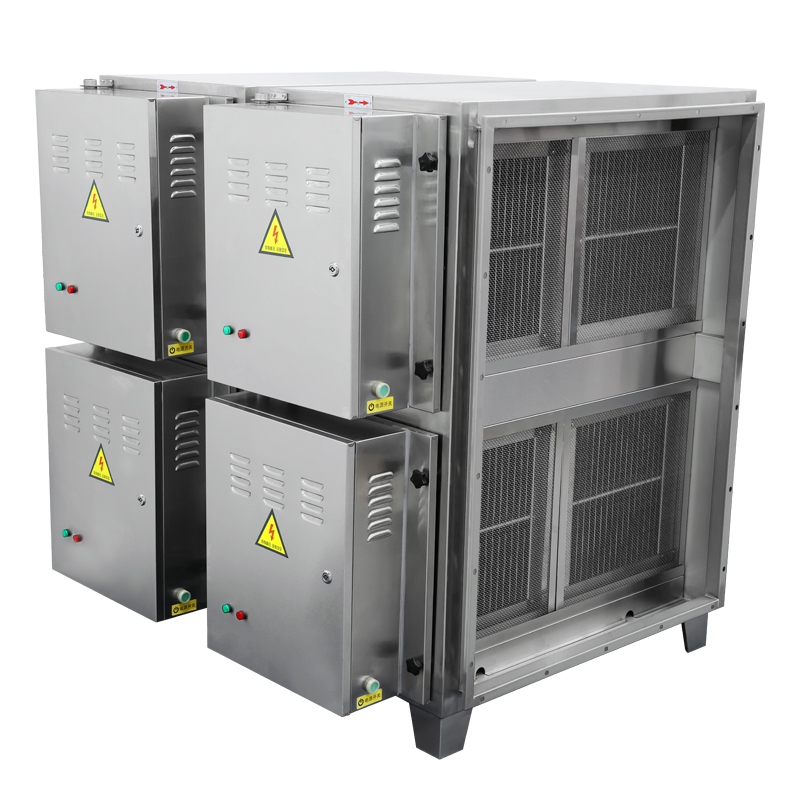
An advanced electrostatic precipitator (ESP) uses open-pass high-voltage ionization cells. Unlike dense mechanical filters, the pressure drop across an ESP cell is less than 50 Pa—allowing centrifugal fans to run at much lower rotational speeds (RPM) while maintaining high air volume.
98% Sub-Micron Smoke Filtration
Ionizing oil particles down to 0.01 microns prevents greasy residue from coating internal fan blades, keeping impellers dynamically balanced and vibration-free over years of operation.
(2)LOW-PRESSURE DROP ESP & SILENCER FLOW
Hood Intake(Low Velocity) → Low-Resistance ESP(Delta P < 50 Pa) → Inline Silencer(Attenuates Sound) → Acoustic Fan(55-65 dB(A))
4. Acoustic Centrifugal Blowers: Double-Walled Sound Enclosures
The primary engine of sound reduction is the acoustically insulated centrifugal exhaust fan/blower box.
(1)Heavy-Duty Sound Attenuation Features
Double-Walled Galvanized Steel Casing with Glass-Wool Lining
Industrial centrifugal exhaust blowers are housed inside double-skinned acoustic cabinets lined with high-density, fire-rated acoustic insulation (50mm thick), trapping mechanical motor hum and aerodynamic blade noise inside the cabinet.
Backward-Curved Dynamically Balanced Impellers
Precision-balanced wheels (ISO 1940 Grade G2.5) eliminate structural shaking and rotational imbalance.
Flexible Duct Connectors & Vibration Isolators
Heavy-duty spring vibration dampeners and neoprene flexible duct boots isolate the blower frame from ductwork, preventing low-frequency vibration from traveling into dining areas.
5.Technical Comparison Matrix: Standard vs. Ultra-Quiet Acoustic CKV
To assist MEP consultants, hotel facility engineers, and interior designers in evaluating acoustic CKV systems, this matrix contrasts key performance metrics:
Engineering & Acoustic Metric | Traditional Standard CKV System | Ultra-Quiet Acoustic CKV Package |
Average Sound Pressure Level | 80 to 90+ dB(A) (Deafening) | 55 to 65 dB(A) (Whisper-Quiet) |
Blower Cabinet Construction | Single-wall uninsulated metal | Double-walled acoustic box with rockwool |
Filtration Pressure Drop | High (250–500 Pa on dense filters) | Ultra-Low (< 50 Pa on ESP Cells) |
Impeller Balancing Quality | Standard Grade G6.3 | High Precision Grade G2.5 (Vibration-Free) |
Indoor Air Quality (IAQ) | High risk of smoke & heat spillover | Superior capture with 98% sub-micron purity |
Open Show Kitchen Suitability | Poor (Disturbs dining patrons) | Ideal (Seamless front-of-house integration) |
OSHA & Noise Ordinance Compliance | Requires earmuffs / Frequent violations | 100% Compliant with global noise standards |
6. Applications: Where Acoustic Ventilation Delivers Maximum Value
Quiet, high-IAQ CKV packages are essential across acoustic-sensitive hospitality sectors
(1)Open Show Kitchens & Teppanyaki Bars
Front-of-house cooking stations where customers sit feet away from the chef and demand zero noise interference.
(2)Luxury Hotel All-Day Dining & Banquet Halls
Venues situated directly below guest rooms or VIP meeting suites where structural sound transmission is strictly audited.
(3)High-Density Urban & Residential Dining Facilities
Ground-floor restaurants located under luxury apartments subject to strict municipal nighttime decibel limits.
(4)High-Volume Fine Dining Establishments
Kitchens seeking to reduce chef fatigue, improve internal communication, and decrease staff turnover rates.
7.Conclusion: Elevate Hospitality Ambiance with Quiet Acoustic CKV Systems
In the modern hospitality landscape, sound control and air purity are as critical to brand reputation as culinary excellence. Installing a loud, uninsulated exhaust system ruins dining ambiance, strains staff health, and risks non-compliance with municipal noise limits.
By upgrading to an acoustically engineered CKV package—combining low-velocity commercial exhaust hoods, zero-resistance electrostatic precipitators (ESP), and double-walled acoustic centrifugal exhaust fans—you cut operating noise by up to 60%, protect indoor air quality, and deliver a quiet, world-class dining environment.
Eliminate deafening fan noise, safeguard chef health, and enhance front-of-house ambiance for your hospitality business.
If you are a hotel facility manager, MEP engineer, open kitchen interior designer, or restaurant equipment distributor looking for factory-direct ultra-quiet CKV systems, let's collaborate.
Leave a comment below or contact us directly as your premier manufacturer of commercial kitchen ventilation equipment. We provide factory-direct, globally certified acoustic blower boxes, low-noise ESP units, and custom stainless exhaust hoods built to international CE and ISO standards. Contact our engineering team today for acoustic calculations, CAD schematics, and factory-direct pricing for your project!