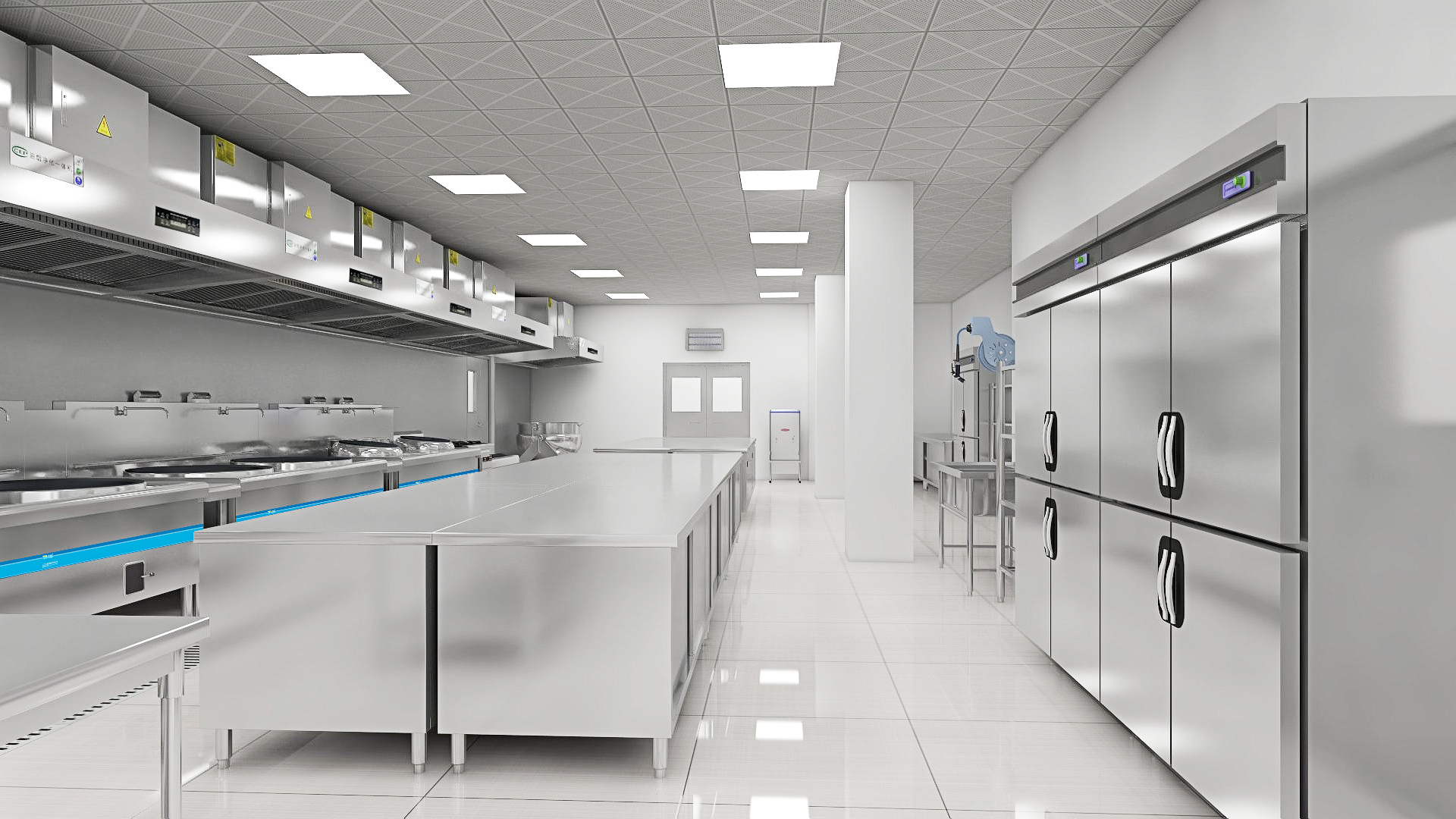
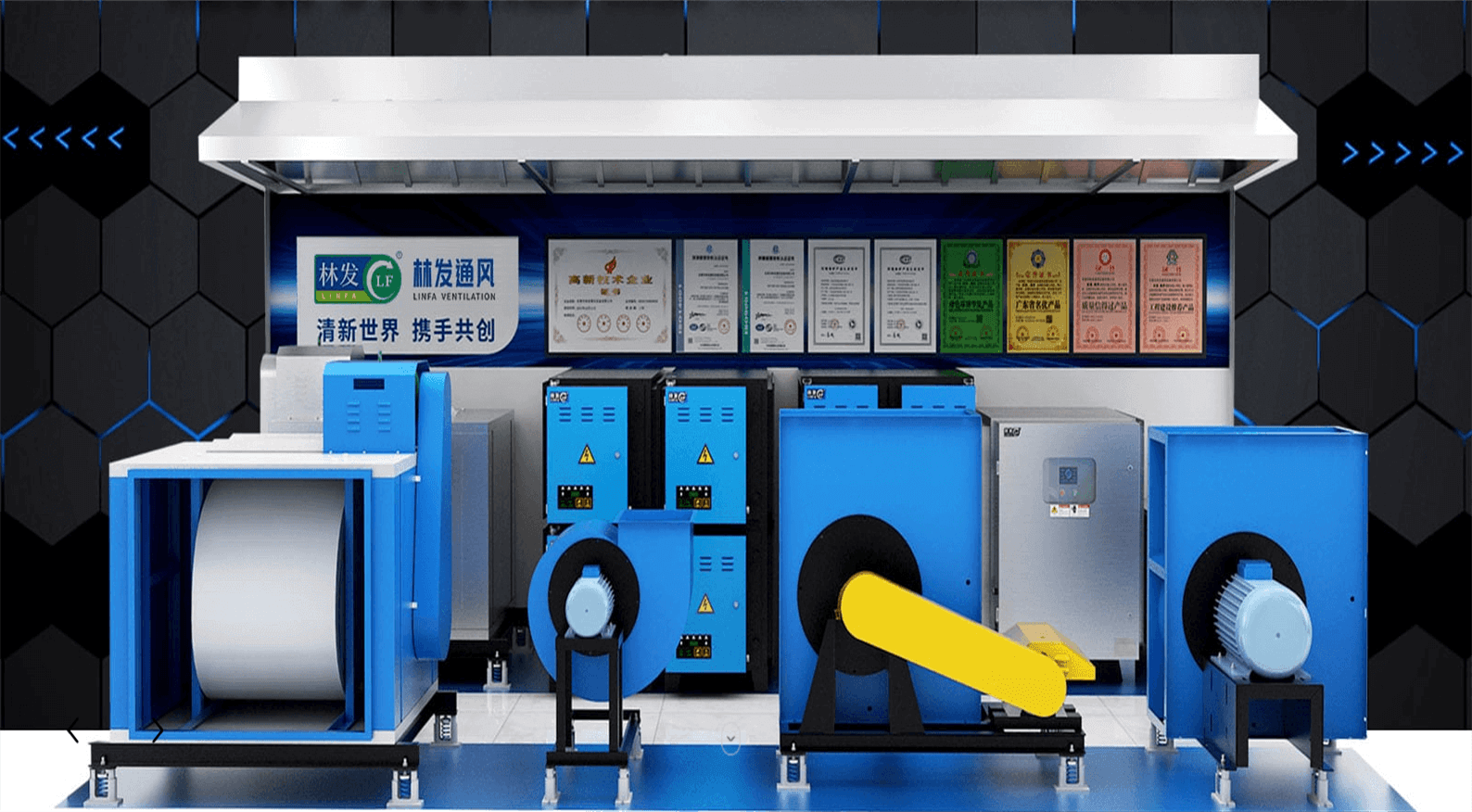
In today's world of cooking, keeping the air in commercial kitchens clean and fresh is more important than ever. I mean, with everything happening in a busy kitchen—cooking fumes, odors, and all that—it can get pretty overwhelming. That’s where a heavy-duty kitchen extractor hood really comes in handy. If you’ve ever looked into these, you’ll find that Dongguan Linfa Ventilation Equipment, best known for their Ventto brand, has been a leader in making top-notch ventilation gear since way back in 2000. When you understand how these powerful hoods work, it’s easier for kitchen managers and chefs to make smart choices that keep the air quality high. And trust me, a good ventilation system isn’t just about smell — it’s about creating a healthier, more comfortable space to cook in. This guide is gonna walk you through what makes these systems so effective and how they can really make a difference in your kitchen’s environment, giving chefs and staff the best chance to cook safely and creatively.

Understanding the Importance of Air Quality in Commercial Kitchens
When it comes to commercial kitchens, air quality is honestly a huge deal. It’s not just about keeping the place smelling fresh—healthy air is actually key for both the folks working there and making sure the food you serve is safe. Lately, reports have been highlighting that cooking fumes and emissions are a main source of PM2.5 pollution. Some cities, like Westminster, are even running pilot programs to figure out how to better control and cut down these emissions. These efforts are super important because research shows that the air inside kitchens can sometimes have levels of pollutants that far exceed what’s considered healthy—mainly from cooking fumes and smoke.

If you really want to keep your indoor air quality in check, investing in good, heavy-duty kitchen extractor hoods is a no-brainer. They do a great job at pulling out smoke, steam, grease—the stuff that can really clog up the air—and they help lower the amount of harmful particles floating around. Just a heads-up, though: those hoods need regular cleaning. If you let them go, grease and dust can build up, and that kind of buildup isn’t doing anyone any favors when it comes to air quality.
Some tips to keep in mind:
- Make sure your kitchen has high-capacity extractor hoods that meet your local health standards.
- Set up a routine for cleaning and maintaining your ventilation systems—don’t skip this step!
- If possible, toss in some air purifiers made for kitchens to help cut down even more on indoor pollutants and make the air a lot fresher.
All in all, a little investment in good equipment and routine upkeep can make a big difference in keeping your kitchen healthier and safer for everyone involved.
Key Pollutants: Common Contaminants Found in Kitchen Environments
Modern kitchens really need good air quality—not only for your health but also for comfort. You know, there are quite a few common pollutants lurking around, like volatile organic compounds (VOCs), cooking-related particles, and even formaldehyde. That stuff can come from furniture, cabinets, and other building materials. Recently, indoor air quality standards have been updating to stress just how important it is to control these harmful pollutants, making sure our homes are safer to breathe in.
That’s where heavy-duty kitchen extractor hoods come into play—they’re pretty much essential. These guys do a great job of venting out smoke, steam, and lingering smells, which really helps clean up the air. The cool thing is, their designs are scientifically tuned to trap airborne particles and gases, cutting down on health risks from breathing in indoor pollutants over time. As companies like Dongguan Linfa Ventilation Equipment Co., Ltd. keep pushing innovation in ventilation tech, having a good extractor hood becomes more of a must-have for creating a healthier kitchen environment.
Maximize Your Kitchen Air Quality: Common Contaminants Found in Kitchen Environments
Heavy Duty Extractor Hoods: Performance Standards and Efficiency Ratings
Heavy-duty extractor hoods play a really crucial role in keeping the air in your kitchen clean—especially in busy commercial spots where the amount of cooking fumes can sometimes go over safe levels. The EPA points out that when you're cooking, you're releasing all sorts of pollutants like tiny particles, VOCs (those volatile organic compounds), and even carbon monoxide. Over time, these can build up and pose health risks. That’s why having a heavy-duty hood that’s up to the job is so important. These hoods are built to meet strict performance standards — usually checked against ANSI/NSF standards — so you can trust they’ll actually catch and remove those nasty substances while still working efficiently.
When shopping for these extractor hoods, pay attention to their efficiency ratings. Basically, this shows how well they operate without wasting a ton of energy. They’re usually rated in CFM (that's cubic feet per minute), and a good, high-performance hood should deliver at least 100 CFM for every foot of your cooking surface. Plus, if you go for models with an Energy Star badge, that’s a bonus — it means they’re energy-efficient, which helps cut down on running costs too. Interestingly, a recent report mentioned that some of the newer filters can cut harmful emissions by over 90%. That’s quite impressive and really underscores how choosing a quality, heavy-duty extractor hood isn’t just good for your health but also good for your wallet in the long run.
Maximize Your Kitchen Air Quality: The Science Behind Heavy Duty Kitchen Extractor Hoods
| Model | Airflow (CFM) | Efficiency Rating | Noise Level (dB) | Filter Type |
| Model A | 600 | B | 65 | Metal Mesh |
| Model B | 800 | A | 60 | Charcoal |
| Model C | 500 | C | 70 | Baffle |
| Model D | 700 | A+ | 55 | Dishwasher Safe |
| Model E | 900 | A | 58 | Metal Mesh |
Optimal Airflow: Calculating the Required CFM for Your Kitchen Setup
When you're thinking about keeping the air in your kitchen fresh and clean, understanding CFM—yeah, Cubic Feet per Minute— is pretty important. According to the folks over at the American Society of Heating, Refrigerating, and Air-Conditioning Engineers (that's ASHRAE, if you wanna sound fancy), the recommended CFM for home kitchens usually falls somewhere between 200 and 400 CFM per linear foot of your hood. This number really matters because it helps get rid of the heat, humidity, and all those airborne bits that cooking kicks up. Basically, it keeps the air healthier for you and your loved ones.
Thinking about what CFM you need? Start by looking at the size and layout of your kitchen. Also, the kind of cooking you do plays a part—gas stoves, for example, tend to produce more heat and steam than electric ones. Oh, and the National Fire Protection Association (NFPA) says that if you're into some heavier cooking—like frying or grilling—you might want to aim for something around 600 CFM or even more to keep things properly ventilated. By figuring out the right size for your exhaust hood based on how you cook and how big your kitchen is, you’ll do a lot to make the air better and make your space way more comfortable to hang out in.
Installation Tips: Ensuring Proper Placement for Maximum Extraction
When you're trying to get better air quality in your kitchen, installing a heavy-duty extractor hood the right way is super important. First off, think about where you’re putting it — the position really matters. Usually, the best spot is about 24 to 30 inches above the cooktop. That’s the sweet spot to catch steam, smoke, and smells before they spread everywhere, without blocking your view of what you're cooking. Plus, setting it at that height helps the airflow work smoothly, so the hood can pull everything up and out efficiently.
And don't forget about the venting setup. If your kitchen layout allows, go for a ducted system—these tend to work a lot better than recirculating ones because they actually vent the stuff outside. Just a heads-up: try to keep the ductwork as straight and short as possible—bends and twists can really mess with airflow and make the whole system less effective. Honestly, if you pay attention to these little tips during installation, you'll end up with a cleaner, healthier kitchen, and that makes cooking way more enjoyable.
Maintenance Best Practices: Keeping Your Hood Functioning Effectively
Hey, keep in mind that regularly maintaining those heavy-duty kitchen extractor hoods is super important if you want the air in your commercial kitchen to stay fresh and safe. One of the main things you really shouldn’t forget is cleaning the filters and ducts pretty often. Since kitchens get pretty busy and greasy, gunk can build up quickly, clogging the airflow and making the hood less effective. So, trying to clean the filters once a month and giving the ducts a good check-up every six months really helps prevent fires and keeps the ventilation running smoothly.
Oh, and don’t forget to give the fan and motor a once-over too. Look out for any signs of wear or weird noises. Regularly lubricating the moving parts and making sure the fan blades aren’t blocked or dirty can make a big difference in how long everything lasts and how well it works. Also, it’s worth keeping an eye on all those electrical connections—making sure they’re tight and secure can save you from unexpected breakdowns. If you stick with these simple maintenance tips, you can be pretty sure your extractor hood will keep doing its thing effectively, helping to keep your kitchen air clean and safe for everyone.

Essential Guide to Choosing the Right Traditional Commercial Kitchen Exhaust Hood for Your Canteen Restaurant
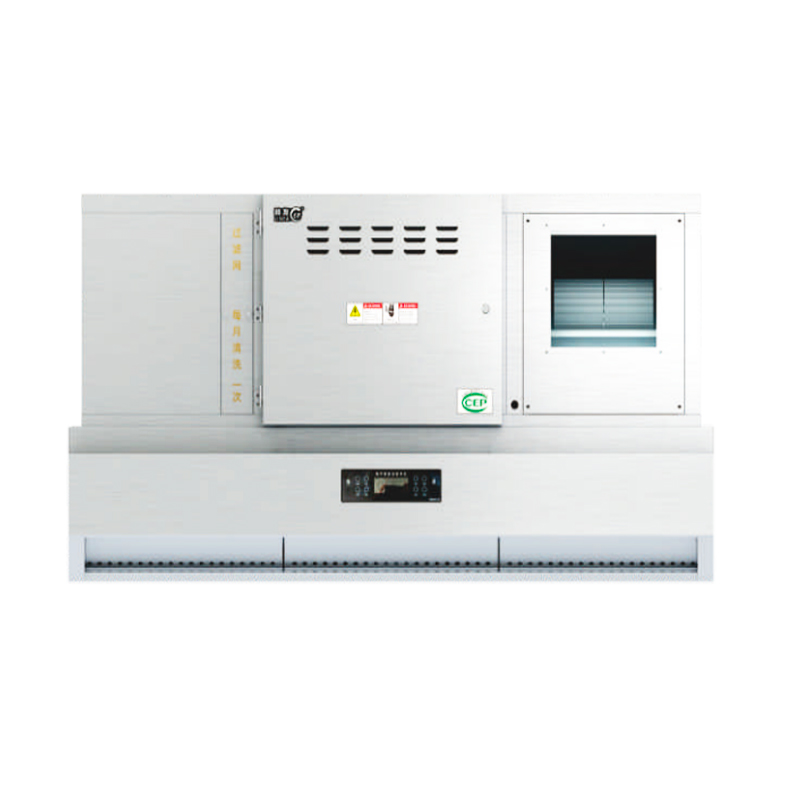
When selecting the right traditional commercial kitchen exhaust hood for your canteen restaurant, efficiency and effectiveness in smoke and odor removal are paramount. The VT-DYZ-1500 stands out as a premier choice due to its all-in-one ventilation design, which combines oil fume extraction, filtration, and discharge into a compact system. Industry studies indicate that proper ventilation can reduce airborne contaminants in commercial kitchens by up to 80%, directly impacting both health and compliance with safety standards.
The VT-DYZ-1500 features a highly efficient oil fume hood along with a dynamic shielding filter oil pan and a volute centrifugal fan. This equipment is capable of intercepting over 60% of oil smoke particles larger than 5 micrometers, ensuring a cleaner and safer cooking environment. With an impressive capability of handling 4000m³ of kitchen oil smoke per hour, it is ideal for various foodservice settings, including Western restaurants, hotels, and fast-food outlets where high fume volumes are common. The relevance of effective exhaust hoods is underscored by recent reports from the National Fire Protection Association, which link inadequate ventilation systems to increased fire hazards in commercial kitchens.
Moreover, the VT-DYZ-1500 is certified with ECM, CE, and ISO standards, ensuring that it meets the rigorous demands of modern canteen operations. The flexibility of customized OEM and ODM options allows establishments to tailor the system to their specific needs, enhancing the effectiveness of their kitchen setups while promoting compliance with health and safety regulations. Investing in a robust kitchen exhaust hood like the VT-DYZ-1500 not only optimizes kitchen airflow but also contributes to maintaining sanitary conditions in bustling food preparation environments.
FAQS
: Heavy duty extractor hoods are ventilation systems designed to effectively capture and remove pollutants produced during cooking, such as particulate matter, volatile organic compounds (VOCs), and carbon monoxide, particularly in commercial kitchens.
They are crucial for maintaining optimal air quality by removing harmful cooking emissions that can pose health risks, helping to ensure a safe cooking environment.
Heavy duty extractor hoods typically meet stringent performance standards, often rated under ANSI/NSF standards, ensuring they can effectively operate while maintaining efficiency.
Efficiency is commonly measured in CFM (cubic feet per minute), with high-performance hoods providing at least 100 CFM per linear foot of cooking surface.
Energy Star certification indicates that the extractor hoods are energy efficient, improving air quality while also contributing to lower operational costs.
Advanced filtration systems in heavy duty extractor hoods can reduce harmful emissions by over 90%, highlighting the importance of selecting high-quality hoods.
The American Society of Heating, Refrigerating and Air-Conditioning Engineers (ASHRAE) recommends a CFM range of 200 to 400 per linear foot of the hood for residential kitchens.
Cooking methods influence CFM needs, with gas stoves generating more heat and moisture, and heavier cooking operations like frying or grilling requiring upwards of 600 CFM for adequate ventilation.
To calculate the required CFM, assess your cooking area size, configuration, and cooking habits, factoring in the type of cooking you perform.
Accurately sizing extractor hoods based on specific cooking habits and kitchen dimensions can significantly enhance air quality and comfort in the kitchen environment.
Conclusion
You know, in commercial kitchens, keeping the air quality top-notch is really important—not just for the health of everyone working there, but also for making sure the food comes out right. The article points out how stuff like grease, smoke, and strong odors can clutter up the air, which isn't great for anyone. That's why having a solid Heavy Duty Kitchen Extractor Hood is a must; it does a good job of pulling out all those nasty contaminants. The piece also digs into things like performance standards, how efficient these hoods are, and the right airflow calculations to make sure you get a system that actually fits your kitchen’s needs.
Oh, and they stress that installing the hood properly and keeping up with regular maintenance is key—otherwise, you’re just wasting your investment. If you’re looking for reliable options, Dongguan Linfa Ventilation Equipment Co., Ltd., has been around since 2000 and offers some pretty advanced solutions to help improve your kitchen’s ventilation and create a healthier space for everyone. Bottom line: making sure your extractor hood is working like it should can really make a difference when it comes to the overall air quality in your kitchen.

 Home
 Commercial Ventilation Equipment
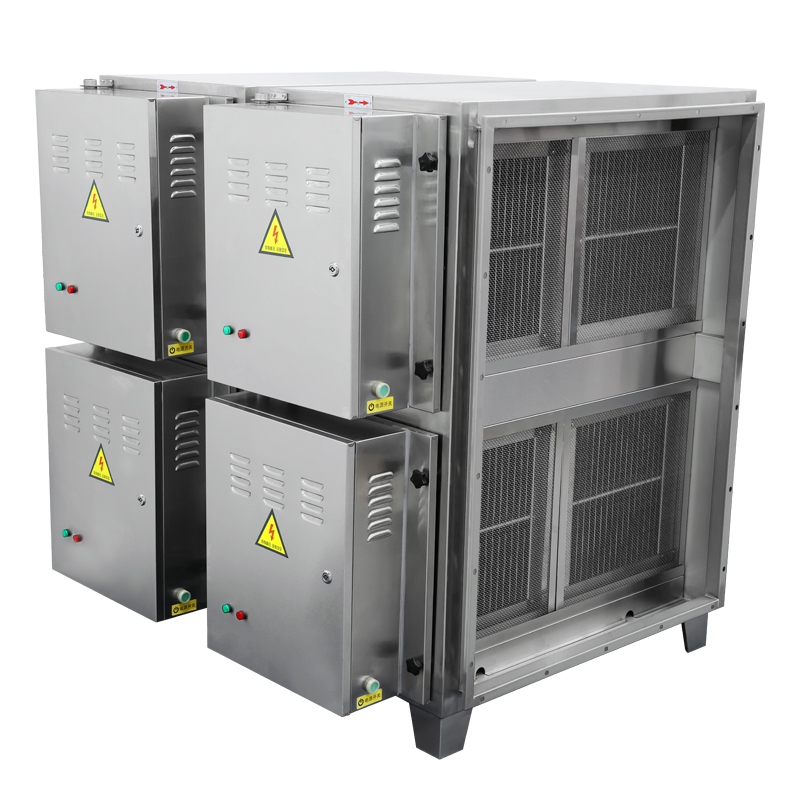 Commercial Electrostatic Precipitator
 Commercial Kitchen ESP Hood
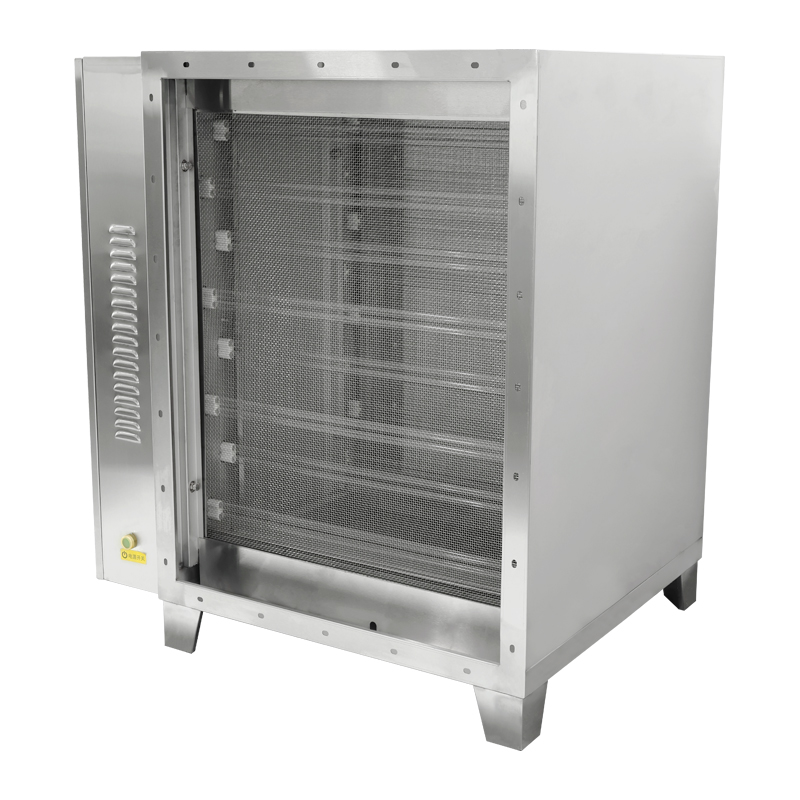 UV Deodorate Purifier
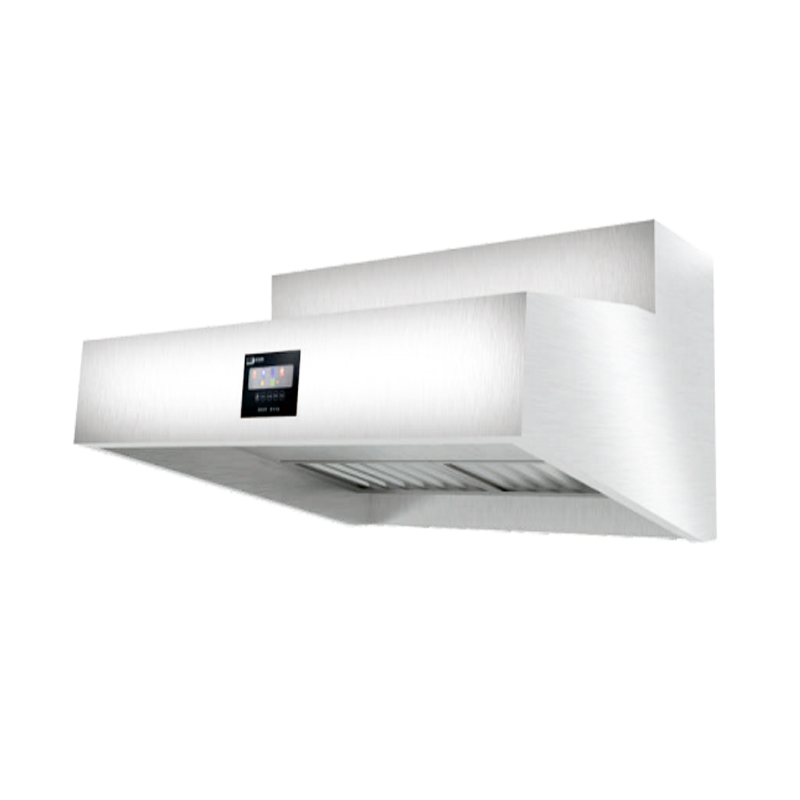 II Commercial Exhaust Hood
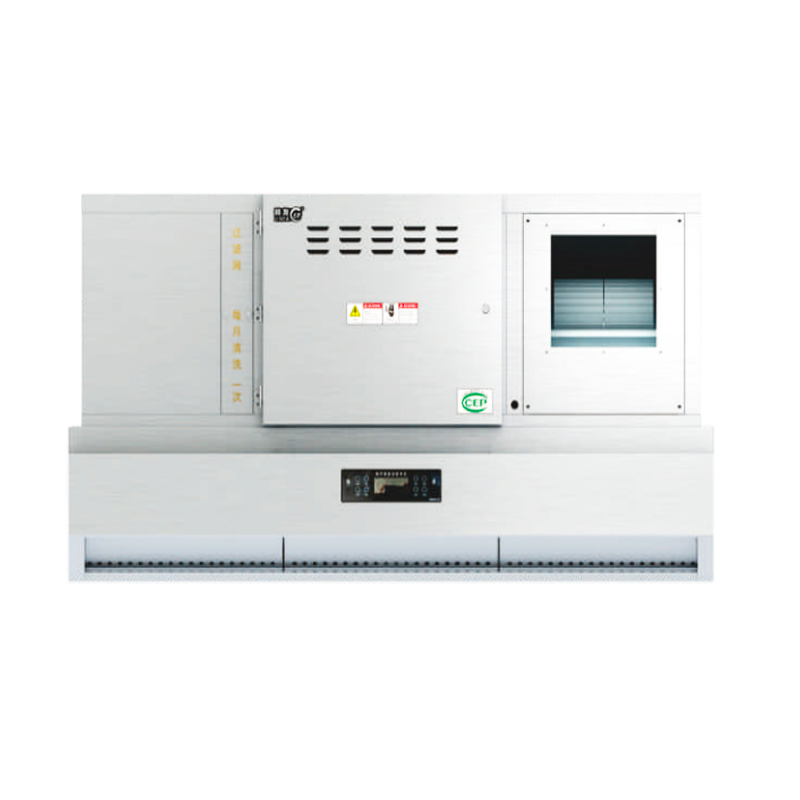 Commercial ESP Range Hood


