In the busy world of commercial kitchens, you really can't underestimate how important an industrial Kitchen Extractor Fan is. These powerful ventilation systems are pretty much the backbone of keeping the air clean and safe for everyone working there. As Mark Thompson, a well-known expert in designing and ventilating commercial kitchens, puts it, "Having an efficient extractor fan is a must — it’s what gets rid of all that excess heat, smoke, and lingering odors. Not only does this make life better for the chefs, but it also helps keep food safe."
As restaurants and catering businesses keep expanding, the need for good ventilation just keeps growing. An industrial extractor fan basically sucks out the bad air and brings in fresh, clean air, creating a healthier setup for everyone in the kitchen. Plus, it helps cut down on fire risks caused by grease and food particles — which is a huge relief for folks working in the culinary world. Getting a grip on how these systems work and why they’re so important is pretty much essential if you’re in the food industry — nobody wants trouble in the kitchen, right?

What is an Industrial Kitchen Extractor Fan?
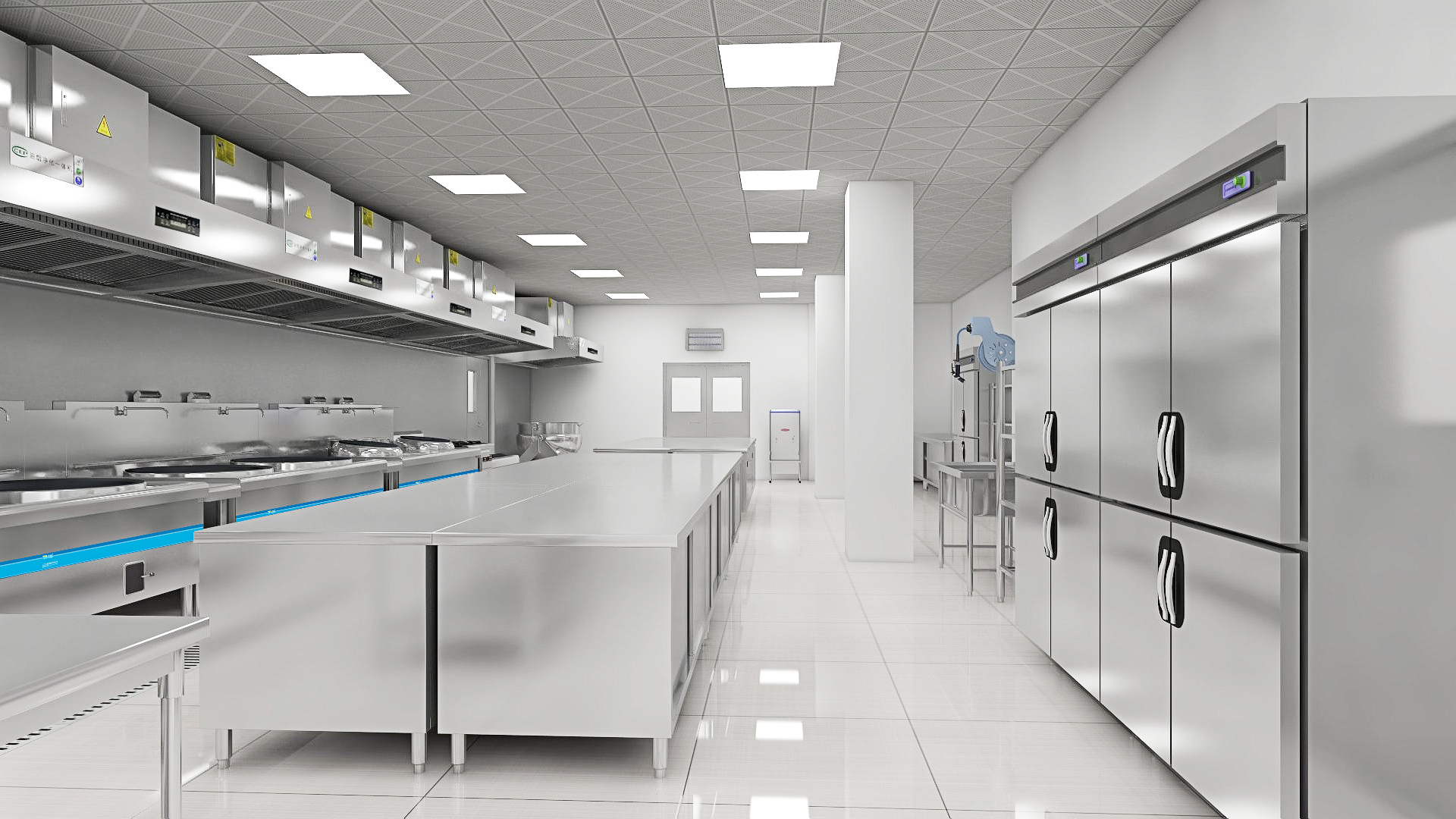
An industrial kitchen extractor fan is a vital component in commercial kitchens, designed to maintain a safe and comfortable working environment. This type of fan serves to remove heat, smoke, steam, and odors generated during cooking processes. Typically installed above cooking equipment, such as stoves and fryers, these extractor fans work by creating negative pressure in the kitchen space, effectively drawing air and contaminants away from the cooking area.
The functionality of an industrial kitchen extractor fan relies on its powerful motor and a system of ductwork that exits outside the building. When the fan is activated, it pulls air through filters that capture grease particles and other residues, ensuring that the air returning to the kitchen is clean and safe for staff. The efficient removal of airborne contaminants not only enhances air quality but also minimizes risks related to fire hazards, making it a crucial element in maintaining hygiene and safety standards in the culinary industry.
The Importance of Extractor Fans in Commercial Cooking Spaces
Extractor fans play a crucial role in commercial cooking environments, significantly enhancing air quality and safety. In busy kitchens, the process of cooking generates heat, smoke, steam, and odors. Without an efficient extractor fan system, these elements can accumulate, creating an uncomfortable and potentially hazardous atmosphere for staff. By efficiently removing excess heat and airborne impurities, extractor fans help maintain a healthier working environment, allowing chefs and kitchen staff to focus on their culinary tasks without the distraction of smoke and unpleasant smells.
Moreover, the effective functioning of extractor fans is essential for compliance with health and safety regulations. Commercial kitchens are subject to strict hygiene standards, and proper ventilation is a key aspect of these regulations. An industrial kitchen extractor fan effectively mitigates the risk of fire hazards associated with grease buildup and reduces the likelihood of food contamination that can occur when cooking fumes linger in the air. This guarantees not only the wellbeing of the employees but also the quality and safety of the food being prepared, thereby safeguarding the reputation of the establishment.
How Industrial Kitchen Extractor Fans Are Designed
Industrial kitchen extractor fans are engineered with precision to address the unique challenges of commercial food preparation environments. According to a report by the Food Service Equipment Association, proper ventilation in industrial kitchens is not just a matter of comfort but a necessity for operational efficiency and safety. These extractor fans are designed to enhance air quality, control temperature, and manage smoke, grease, and odors, significantly reducing fire hazards and improving the overall working conditions within the kitchen.
The design of industrial kitchen extractor fans typically incorporates powerful motors and high airflow rates. Most units are required to meet specific airflow standards, with a minimum of 30 air changes per hour recommended in intense cooking environments, as stated in the National Fire Protection Association's guidelines. Additionally, their components, including filters and ducting systems, are strategically engineered to withstand high temperatures and resist grease buildup. The use of durable materials like stainless steel not only facilitates easy cleaning but also enhances the longevity of the equipment, ensuring that it withstands the rigors of daily use in high-demand kitchens.
Key Components of an Industrial Kitchen Extractor Fan
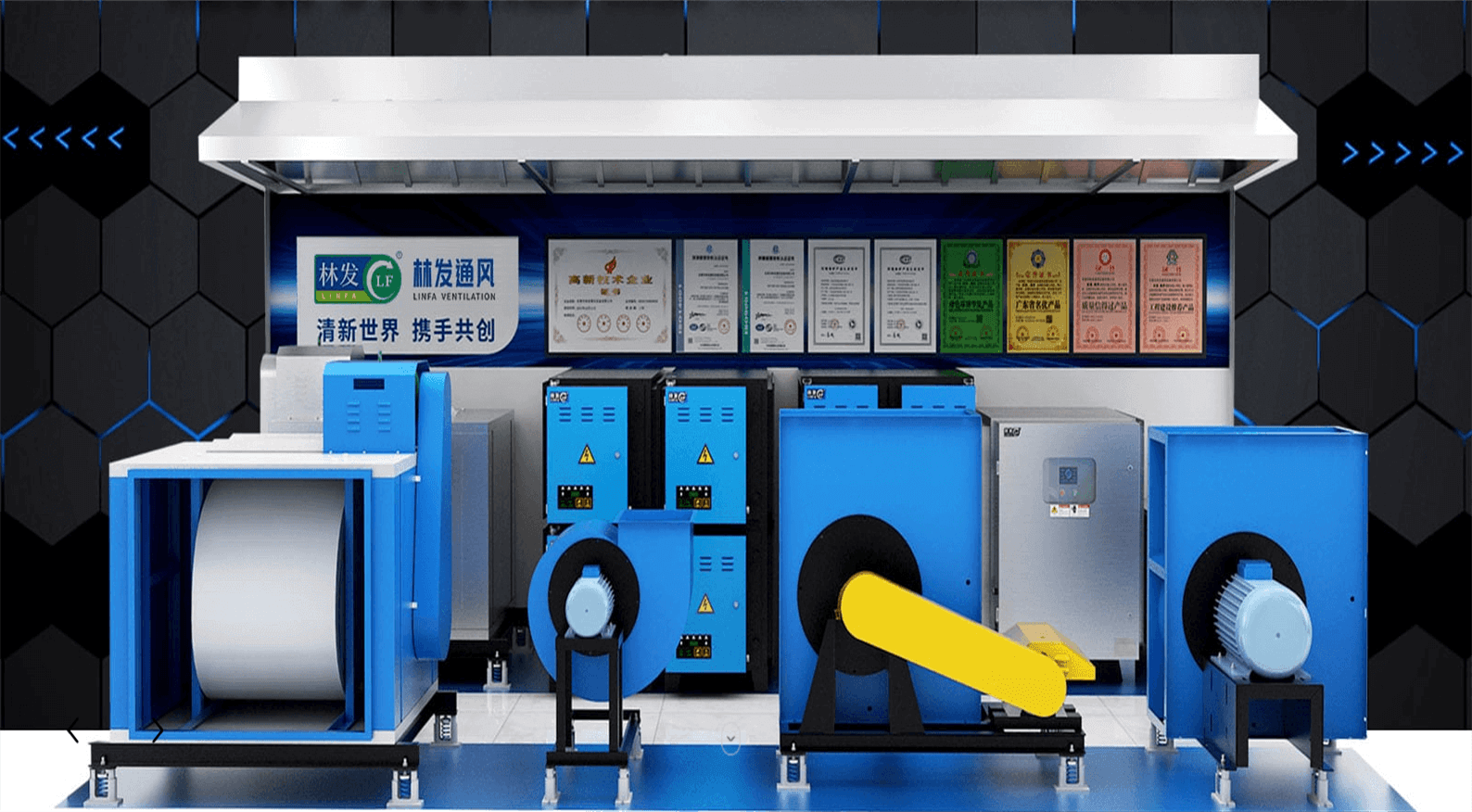
An industrial kitchen extractor fan plays a crucial role in maintaining a clean and safe cooking environment by removing heat, smoke, steam, and unpleasant odors. The key components of these extractor fans ensure they operate efficiently and effectively in high-capacity kitchens.
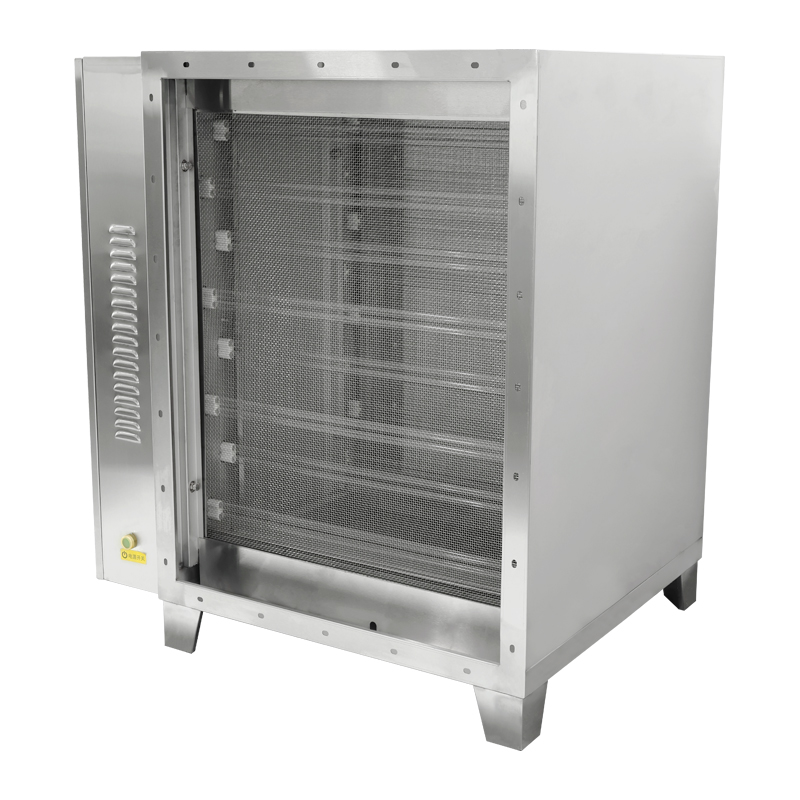
One primary component is the motor, which powers the fan blades to create airflow. These motors are typically designed to withstand the demands of continuous use in a commercial setting. The fan blades themselves are aerodynamically shaped to optimize air movement and enhance extraction capabilities. Additionally, the housing of the extractor fan is constructed from sturdy materials, often stainless steel, to ensure durability and resistance to corrosion in kitchens filled with grease and moisture.
Another essential aspect is the ducting system, which channels extracted air away from the cooking area to the outside environment. The ducts must be designed correctly for maximum efficiency, minimizing resistance to airflow. Filters also play a vital role, capturing grease and other particles from the air before it is expelled. These filters can be either washable or disposable, depending on the design and operational needs of the kitchen. By understanding these key components, kitchen operators can ensure proper maintenance and functionality of their industrial kitchen extractor fans, contributing to a healthier and more enjoyable cooking experience.
The Mechanism Behind the Operation of Extractor Fans
Industrial kitchen extractor fans are essential appliances designed to maintain a safe and pleasant working environment in commercial kitchens. The mechanism behind their operation primarily revolves around the principles of airflow and filtration. An extractor fan works by drawing in stale and contaminated air from the kitchen, which typically contains cooking odors, grease, and moisture. This process helps to prevent the buildup of harmful substances, ensuring a healthier atmosphere for kitchen staff.
The extractor fan comprises several key components, including a motor, blades, and filters. Once activated, the fan's motor powers the blades, creating a suction effect that pulls air into the system. The air passes through filters, which trap grease and other particles before the clean air is expelled outside or recirculated within the kitchen. The efficiency of an extractor fan is greatly influenced by its design, including the size and position of the fan, the type of filtration system used, and the overall ventilation layout of the kitchen. Properly installed and maintained, extractor fans play a crucial role in regulating temperature and air quality, helping to enhance both safety and comfort in industrial cooking environments.
What is an Industrial Kitchen Extractor Fan and How Does It Work - The Mechanism Behind the Operation of Extractor Fans
| Feature | Description |
| Fan Type | Centrifugal Extractor Fan |
| Application | Commercial kitchens, industrial cooking environments |
| Operating Principle | Suction of grease-laden air and smoke, expelling it outside |
| Key Component | Motor-driven fan blades |
| Filter Type | Grease and charcoal filters |
| Maintenance Frequency | Monthly cleaning and filter replacement as needed |
| Energy Source | Electricity |
| Noise Level | Varies by model; typically ranges from 60 to 70 dB |
Benefits of Using Industrial Kitchen Extractor Fans
Industrial kitchen extractor fans are essential for maintaining a clean and safe environment in commercial kitchens. One of the main benefits of using these fans is their ability to effectively remove heat, smoke, and odors generated during cooking. According to a report from the Foodservice Equipment Report, kitchens with adequate ventilation systems, including extractor fans, can reduce indoor temperatures by as much as 20%. This reduction not only enhances comfort for kitchen staff but also aids in preventing potential heat-related accidents.
Moreover, industrial kitchen extractor fans play a crucial role in improving indoor air quality. A study by the American Conference of Governmental and Industrial Hygienists (ACGIH) highlights that proper ventilation can decrease airborne contaminants, which are common in food preparation areas. Regular use of extractor fans can significantly lower levels of grease particles and volatile organic compounds (VOCs) that accumulate during cooking. By eliminating these pollutants, kitchens can protect the health of their workers and ensure compliance with occupational safety regulations.
Lastly, energy efficiency is another notable benefit of industrial kitchen extractor fans. When installed correctly, these systems can help optimize energy usage, cutting down on operational costs. The U.S. Department of Energy has reported that commercial kitchens that incorporate energy-efficient fans can save up to 30% on their energy bills. This not only supports sustainability efforts but also provides a substantial financial advantage for businesses in the food service industry.
Maintenance Tips for Ensuring Optimal Performance
To ensure the optimal performance of industrial kitchen extractor fans, regular maintenance is crucial. This involves routine cleaning of the fan blades and housing to prevent the accumulation of grease and debris, which can impair airflow and efficiency. It's advisable to establish a cleaning schedule based on the frequency of use, with thorough cleans recommended at least every few months. This not only enhances the effectiveness of the extractor fan but also prolongs its lifespan.
Additionally, checking and replacing filters regularly is vital. Clogged filters can restrict airflow and cause the fan to work harder, increasing energy costs and potentially leading to mechanical failures. It's important to follow the manufacturer's guidelines for filter replacement, but in general, monthly checks can help maintain optimal airflow. Furthermore, inspecting the ductwork for blockages or damage can prevent serious issues. By keeping the system clean and well-maintained, industrial kitchens can ensure their extractor fans operate efficiently, contributing to a safer and more comfortable cooking environment.
Enhancing Commercial Spaces with the Low Noise VT-TW Cabinet Centrifugal Extractor Fan: Features and Benefits
The VT-TW Cabinet Centrifugal Extractor Fan is designed to elevate the ambiance of commercial spaces such as restaurants, hotels, and cinemas through its advanced low noise operation. Featuring a forward-curved multi-blade centrifugal impeller, this fan ensures efficient ventilation with impressive exhaust air volumes ranging from 2674m³/h to 3768m³/h. By minimizing noise production while maximizing airflow, it provides an unobtrusive solution for maintaining fresh and comfortable environments for patrons and staff alike.
This model not only meets the demanding ventilation requirements of high-traffic commercial settings but also adheres to international quality standards, as evidenced by its ISO and CEP certifications. The VT-TW is an excellent choice for anyone looking to enhance their facility's air quality and comfort without compromising on sound levels. Additionally, the option for customized OEM and ODM services allows businesses to tailor the extractor fan to their specific needs, ensuring a perfect fit for their unique space and operational requirements.
FAQS
: The purpose of an industrial kitchen extractor fan is to maintain a clean and safe cooking environment by removing heat, smoke, steam, and unpleasant odors from the kitchen.
The key components of an extractor fan include a motor, fan blades, housing, a ducting system, and filters. Each component plays a crucial role in ensuring efficient operation.
The motor in an extractor fan powers the fan blades, creating airflow that draws in stale and contaminated air from the kitchen.
Extractor fans are commonly constructed from sturdy materials, often stainless steel, to provide durability and resistance to corrosion caused by grease and moisture in the kitchen.
The ducting system channels the extracted air away from the cooking area. Properly designed ducts maximize efficiency by minimizing resistance to airflow.
Filters in extractor fans capture grease and other particles from the air, ensuring that clean air is expelled outside or recirculated within the kitchen. These filters can be either washable or disposable.
Proper installation and maintenance of extractor fans are crucial for regulating temperature and air quality, which enhances safety and comfort in industrial cooking environments.
An extractor fan improves kitchen air quality by drawing in contaminated air that contains cooking odors, grease, and moisture, thereby preventing the buildup of harmful substances.
The efficiency of an extractor fan is influenced by its design, including the size and position of the fan, the type of filtration system used, and the overall ventilation layout of the kitchen.
Kitchen operators should understand the key components, proper maintenance, and functionality of their extractor fans to contribute to a healthier and more enjoyable cooking experience.
Conclusion
An Industrial Kitchen Extractor Fan is a crucial component in commercial cooking environments, designed to efficiently remove smoke, steam, odors, and airborne grease generated during food preparation. These fans are vital for maintaining air quality and ensuring a safe working space, preventing the buildup of potentially hazardous substances. Designed with specific features to handle the rigors of a busy kitchen, they include robust components like powerful motors and durable filters.
The operation of an Industrial Kitchen Extractor Fan relies on a systematic mechanism that draws air from the kitchen and expels it outside, while filters capture contaminants. The benefits of using these fans extend beyond improved air quality; they also contribute to better energy efficiency and compliance with health regulations. Regular maintenance is essential to ensure optimal performance, involving tasks such as cleaning filters and checking fan operations. Overall, Industrial Kitchen Extractor Fans play an indispensable role in enhancing the functionality and safety of commercial kitchens.

 Home
 Commercial Ventilation Equipment
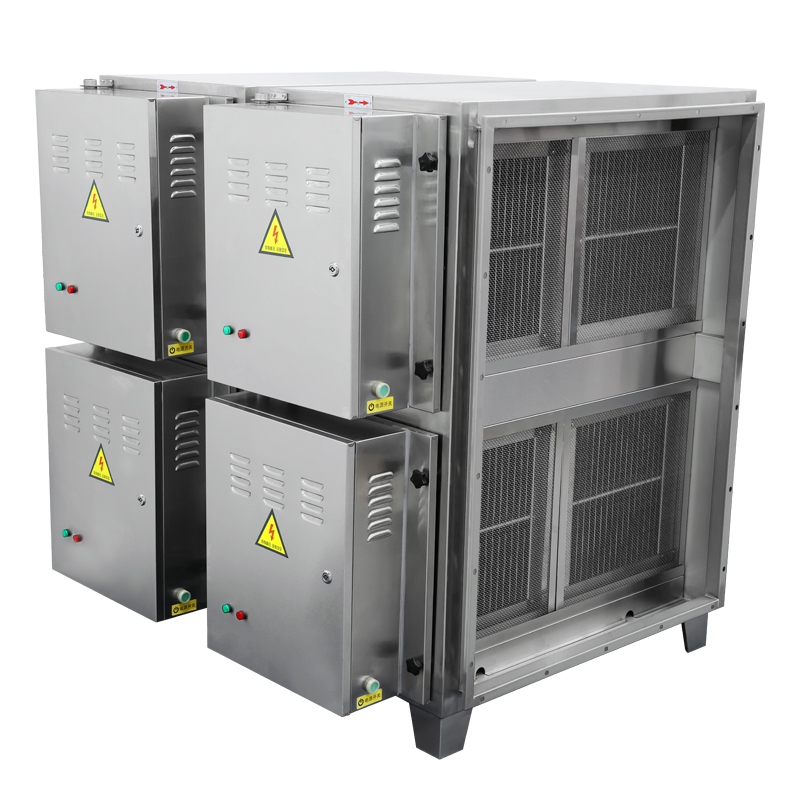 Commercial Electrostatic Precipitator
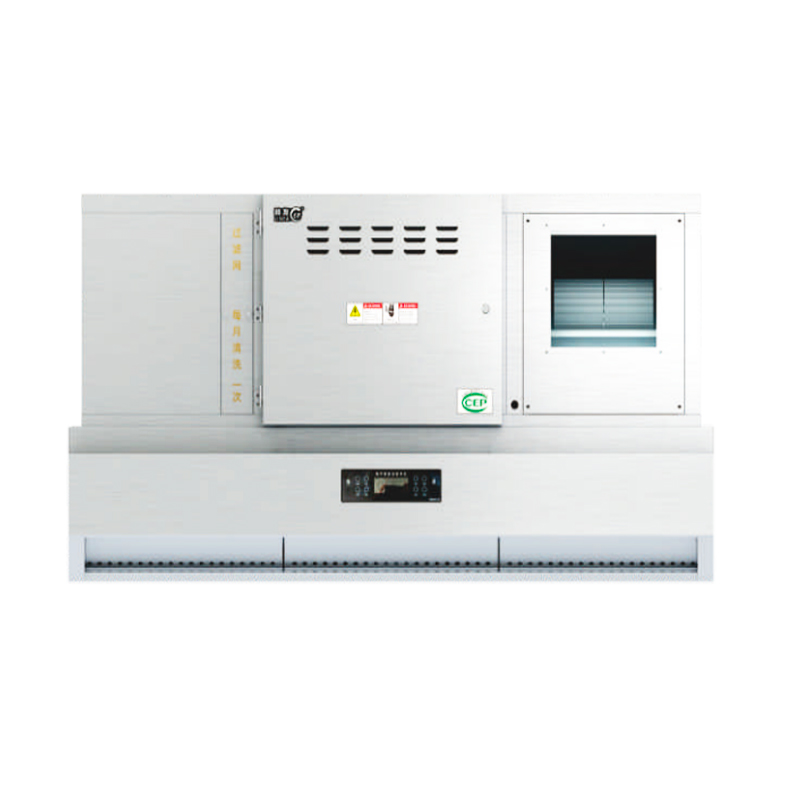 Commercial Kitchen ESP Hood
 UV Deodorate Purifier
 II Commercial Exhaust Hood
 Commercial ESP Range Hood


