The Industrial Centrifugal Blower Fan is pretty important across a bunch of different industries. As John Smith from AirTech Solutions points out, “Getting how these blowers work is pretty much the key to making air move more effectively.” That really emphasizes just how crucial these fans are, especially for specific applications.
Basically, these fans are built to move air efficiently — they can generate a lot of pressure, which is super important for things like ventilation, dust collection, or drying. One of the cool things is how versatile they are—they’re used in manufacturing, food processing, even in HVAC setups.
That said, it’s not always as simple as just hooking them up. Experts always recommend being careful when choosing and installing them. It’s all about avoiding problems down the line and making sure they perform well. Because if these fans don’t work right, it could really slow down production. So, understanding how to select and operate them properly is honestly a must in today’s industrial world.

What is an Industrial Centrifugal Blower Fan?
An industrial Centrifugal Blower Fan is a vital piece of equipment in various industries. It helps move air or gas in a specific direction. Known for their efficiency, these fans generate a high volume of airflow. They operate by utilizing rotating blades that create a pressure difference. This difference allows the fan to draw air in and expel it forcefully. In facilities like factories and warehouses, they ensure proper ventilation.
These fans are commonly used in drying processes, waste treatment, and HVAC systems. In the context of industrial applications, efficiency is key. Selecting the right size and type of blower matters. A China Industrial Centrifugal Blower Fan can offer excellent performance, but not all solutions fit every need.
Tips:
Regular maintenance can extend the lifespan of these fans. Inspect the blades for wear and tear. Also, consider the placement of the fan; improper positioning may reduce efficiency. Remember, it’s crucial to understand your system's requirements before installation, as poor choices can lead to operational issues.
The Basic Principle of Centrifugal Blower Operation
Centrifugal blower fans play a crucial role in various industrial applications. These fans operate on a simple yet effective principle: they utilize a rotating impeller. As the impeller spins, it draws air into the fan and then accelerates it outward. This process generates a significant increase in air pressure, allowing the blower to transport air over distances with high efficiency.
Reports indicate that centrifugal blowers can achieve efficiency levels of 70-85%. This efficiency is vital in industries requiring robust airflow, such as HVAC systems and material handling. The design of these blowers allows them to handle dust, fumes, and other particulates. However, improper maintenance can lead to reduced performance and increased energy consumption. Regularly checking and cleaning the fan components is essential to maintain optimal performance.
Moreover, centrifugal blowers usually operate at high noise levels. Studies show that fans can produce sound levels exceeding 85 decibels. This can be particularly concerning in work environments. Implementing sound-dampening technology can mitigate these effects, but it requires additional investment. Understanding these challenges is key, as they influence the overall effectiveness and operational costs of centrifugal blowers.
Industrial Centrifugal Blower Fan Efficiency
This chart illustrates the efficiency of industrial centrifugal blower fans at different pressure levels. As shown, the efficiency increases as the pressure level rises, with high-pressure blowers achieving the highest efficiency.
Key Components of an Industrial Centrifugal Blower Fan
Industrial centrifugal blower fans are essential in many applications. They are primarily used for air movement and ventilation. Understanding their key components can help in choosing the right blower for your needs.
The impeller is a critical component of these fans. It is responsible for transforming mechanical energy into air movement. A well-designed impeller improves efficiency. The casing also matters. It directs airflow and contributes to the fan’s performance. Material choice impacts durability and efficiency.
Tips: Regular maintenance can extend the life of your blower fan. Check for wear and tear on the impeller and casing. Replace damaged components promptly.
The motor drives the impeller. Selecting the correct motor size is vital. An underpowered motor may not deliver sufficient airflow. Conversely, an oversized motor can lead to energy waste.
Tips: Monitor motor temperature to avoid overheating. This can prevent costly damage and downtime. Re-evaluating your fan setup periodically helps to ensure optimal performance.
Applications of Industrial Centrifugal Blower Fans in Various Industries
Industrial centrifugal blower fans play a crucial role in various sectors. These fans are designed to move air and gases, providing efficient ventilation and cooling. Their applications range widely, from manufacturing to food processing. In food production facilities, for instance, they ensure proper air circulation, which is essential for maintaining product quality.
In the automotive industry, these fans help in exhaust ventilation and handling harmful fumes. They aid in drying processes during paint applications and can minimize the risk of fire hazards. Custom Industrial Centrifugal Blower Fan solutions are often designed to meet specific operational needs. This adaptability makes them essential tools in enhancing efficiency across different environments.
Despite their benefits, some challenges exist. Maintenance can be complex, requiring skilled technicians. Operators must remain vigilant about potential noise issues or vibration, which might affect performance. Finding the right blower fan can be daunting, as it involves understanding airflow requirements and system compatibility. Continuous improvement in design and application is necessary to overcome these obstacles.
Performance Metrics: Efficiency and Airflow Rates of Blower Fans
Industrial centrifugal blower fans play a critical role in various industries. Their efficiency and airflow rates are key performance metrics that define their effectiveness. These fans can move large volumes of air efficiently. Understanding these metrics is essential for selecting the right blower for specific applications.
Efficiency in blower fans refers to how effectively they convert electrical energy into airflow. High-efficiency models can reduce energy costs significantly. Airflow rates measure how much air a blower can move, often quantified in cubic feet per minute (CFM). Applications can vary from ventilation systems in factories to cooling processes in packaging. In many cases, choosing a Wholesale Industrial Centrifugal Blower Fan allows businesses to get the best performance for their money.
However, it is crucial to assess the specific needs before making a purchase. Not all models are suited for every task. Some may offer high airflow but low efficiency, leading to higher operational costs. Consulting with experts and evaluating the intended use can lead to better-informed decisions. Balancing efficiency with the required airflow is no small feat. It requires careful planning and testing to achieve optimal results.
What is an Industrial Centrifugal Blower Fan and Its Uses? - Performance Metrics: Efficiency and Airflow Rates of Blower Fans
| Centrifugal Blower Fan Type | Efficiency (%) | Airflow Rate (CFM) | Power Consumption (HP) | Typical Applications |
| Forward Curve | 80 - 85 | 500 - 10,000 | 0.5 - 5 | HVAC, Material Handling |
| Radial Blade | 75 - 80 | 800 - 15,000 | 1 - 7.5 | Dust Control, Fume Extraction |
| Mixed Flow | 85 - 90 | 1,000 - 20,000 | 2 - 10 | Cooling Systems, Process Ventilation |
| High-Pressure Blower | 70 - 75 | 150 - 3,000 | 1 - 15 | Waste Water Treatment, Pneumatic Conveying |
Maintenance and Troubleshooting of Industrial Centrifugal Blower Systems
Industrial centrifugal blowers are vital for various applications. These systems require regular maintenance to operate effectively. According to a 2022 industry report, improper maintenance can lead to a 20% reduction in efficiency. This emphasizes the need for routine checks and servicing.
Key maintenance tasks include checking for wear and tear on components. The impeller needs inspection for balance. Vibration analysis can help identify underlying issues. Any unusual noise could indicate more significant problems. Regular cleaning of air filters is essential, as dirty filters can cause airflow restrictions, leading to overheating and possible failure.
Troubleshooting these systems often reveals common issues. Many operators overlook airflow measurement. Inadequate air movement might stem from obstacles in ducts. The report also noted that nearly 30% of failures are linked to poor alignment. Addressing these can prevent costly downtime. Implementing a structured maintenance plan will ensure long-term reliability.
Future Trends and Innovations in Blower Fan Technologies
The future of blower fan technologies is evolving rapidly. With increasing environmental concerns, energy efficiency has become a priority. Reports indicate that energy-efficient blower systems can reduce electricity consumption by up to 30%. This is crucial for industries looking to lower operational costs and minimize their carbon footprint.
Advanced materials are also paving the way for lighter, more durable fans. Innovations such as composites can withstand higher temperatures and corrosive environments. This ensures longevity and reduces maintenance needs. However, some facilities find it challenging to adapt to new materials, facing issues with compatibility and installation.
The integration of IoT technologies in industrial centrifugal blower systems presents exciting opportunities. Smart fans can monitor performance in real-time. They provide data analytics for predictive maintenance, reducing downtime. Some facilities resist these changes, citing high initial costs. Nevertheless, the long-term benefits often outweigh these initial expenses. The market for innovative blower solutions is expanding, with many manufacturers looking for reliable Industrial Centrifugal Blower Fan Suppliers to meet the growing demand.
Exploring the Efficiency and Versatility of the Single Inlet Forward Curved Commercial Centrifugal Blower Fan VT-11-62-A in Modern HVAC Applications
The Single Inlet Forward Curved Commercial Centrifugal Blower Fan VT-11-62-A stands out in modern HVAC applications due to its impressive efficiency and versatility. Equipped with a high-power electric motor and a dynamically balanced impeller, this fan excels in optimizing airflow in various environments. Reports from industry experts indicate that advanced centrifugal fans like the VT-11-62-A can improve ventilation performance by up to 30% compared to traditional designs, significantly enhancing indoor air quality.
This model is particularly effective for commercial settings, where it plays a crucial role in discharging purified oil fumes while ensuring optimal air circulation. The fan's design adheres to strict quality standards, as evidenced by its certifications, including CCC, ISO, and CEP. These certifications assure users of the fan's reliability and safety in diverse applications, from industrial kitchens to manufacturing facilities. Additionally, the option for customizable OEM and ODM services allows businesses to tailor the fan to meet their specific operational needs.
The versatility of the VT-11-62-A does not only lie in its design; its performance in energy efficiency is noteworthy as well. With modern HVAC systems increasingly demanding energy-efficient components, this centrifugal fan aligns perfectly with the industry's push towards sustainability. Utilizing high-efficiency motors, it reduces overall energy consumption, which not only lowers operational costs but also contributes to a greener environment. As businesses look to optimize their HVAC systems, the VT-11-62-A emerges as a key player in achieving balanced airflow, energy efficiency, and improved indoor air conditions.
FAQS
: They use a rotating impeller to draw in air and accelerate it outward. This raises air pressure efficiently.
Centrifugal blowers achieve efficiency levels between 70-85%. This is important for effective airflow in various industries.
Regular maintenance includes checking components for wear, inspecting the impeller, and cleaning air filters.
A lack of maintenance can reduce efficiency by 20% or more, leading to increased energy use and costs.
Yes, they can operate over 85 decibels. This noise can be problematic in many work environments.
Implementing sound-dampening technology can help, but it often requires additional investment.
Many operators miss checking airflow, which can cause inefficiencies. Poor alignment is also a common failure point.
It's crucial to regularly inspect for unusual noises and balance in the impeller, as these indicate potential problems.
Inadequate airflow can lead to overheating or blower failure, showing the importance of monitoring air movement.
Unusual noises or vibrations can signal significant issues that need immediate attention to prevent costly downtime.
Conclusion
An Industrial Centrifugal Blower Fan is a vital component in various industrial processes, designed to move air or gas efficiently. Operating on the basic principle of centrifugal force, these blowers convert rotational energy into airflow, making them essential for applications that require consistent and controlled air movement. Key components, including the impeller and housing, play crucial roles in determining the blower’s performance, influencing factors such as efficiency and airflow rates.
Industrial Centrifugal Blower Fans are widely utilized across multiple sectors, including manufacturing, HVAC, and wastewater treatment, due to their adaptability and efficiency. Regular maintenance and troubleshooting are crucial for optimal performance, ensuring longevity and reliability. As technology evolves, innovations in blower fan design and functionality continue to emerge, promising enhanced performance and energy efficiency in future industrial applications.

 Home
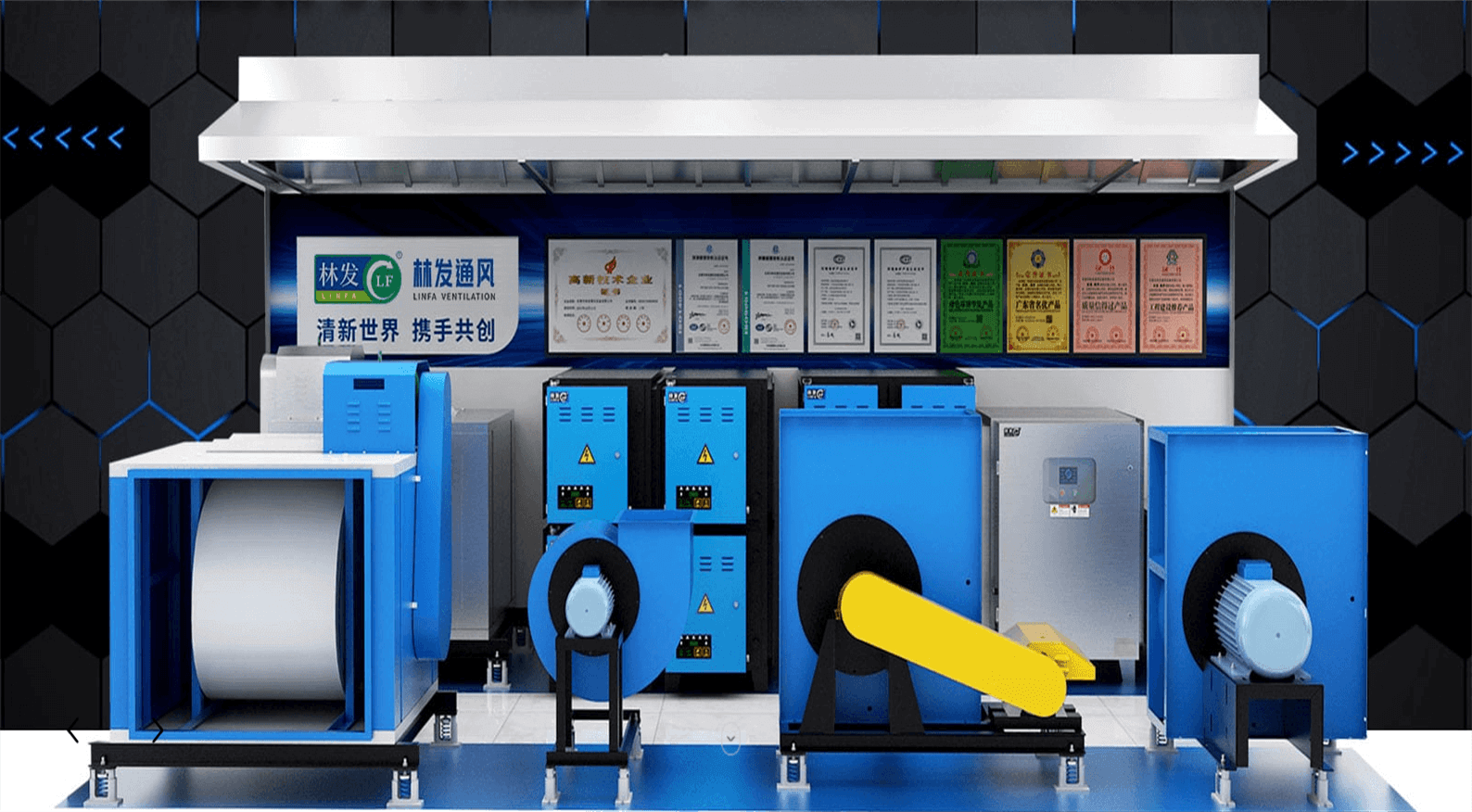 Commercial Ventilation Equipment
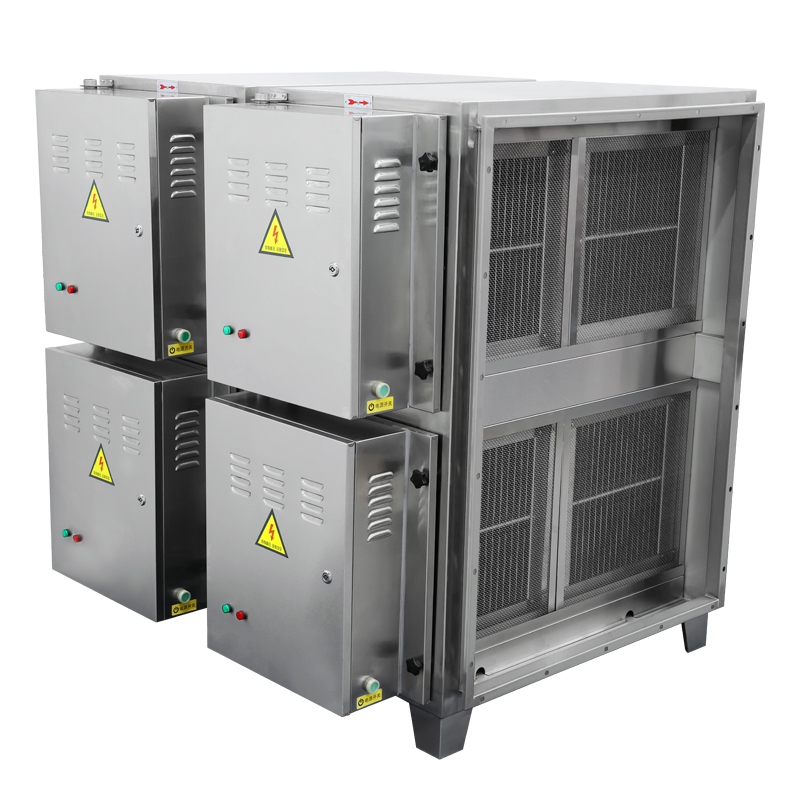 Commercial Electrostatic Precipitator
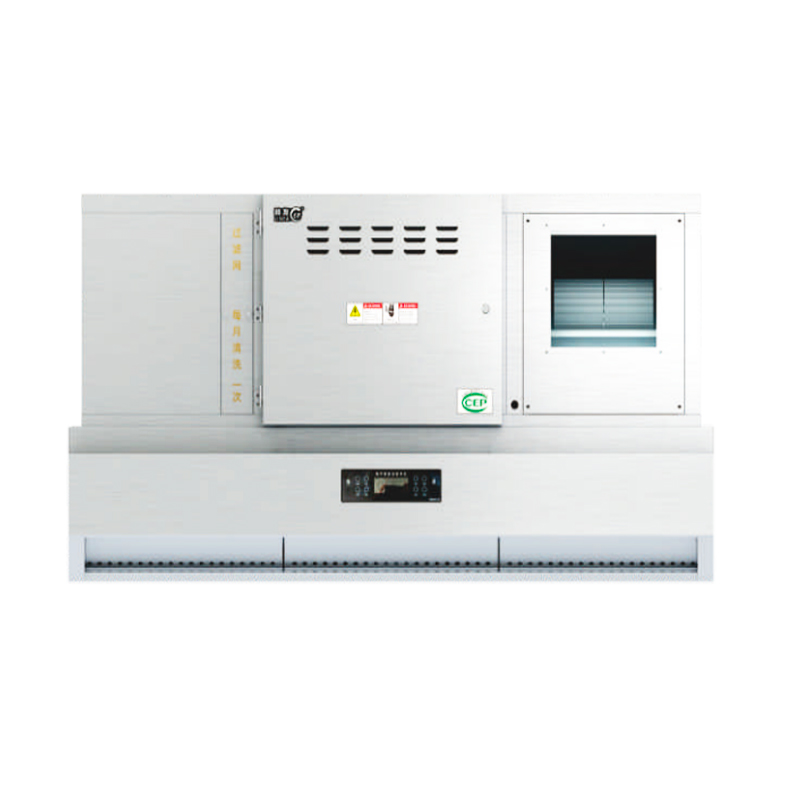 Commercial Kitchen ESP Hood
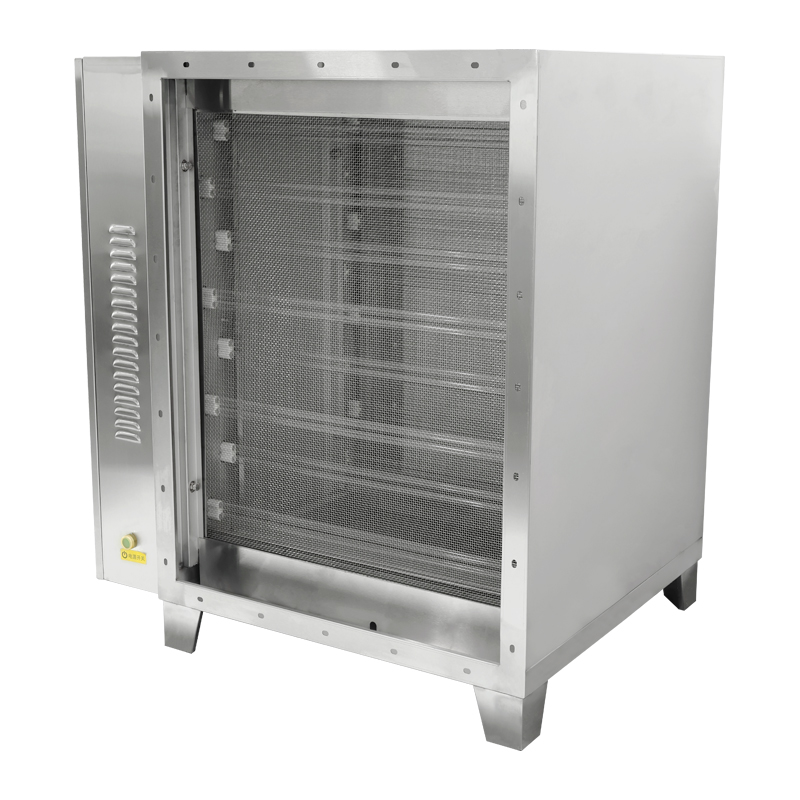 UV Deodorate Purifier
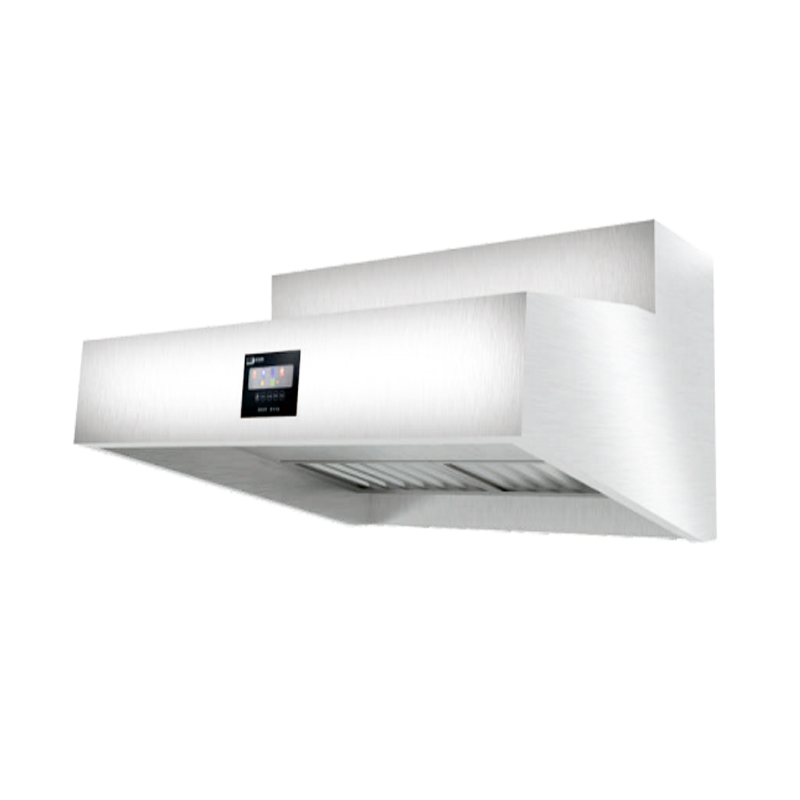 II Commercial Exhaust Hood
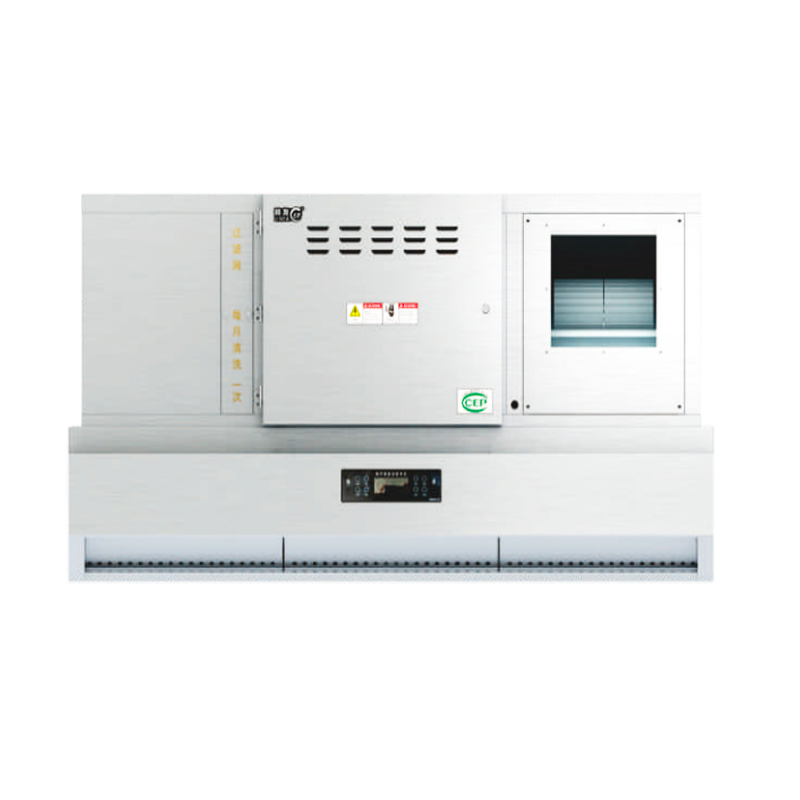 Commercial ESP Range Hood


