You know, in today’s world where being efficient and eco-friendly are super important in manufacturing, the Industrial Centrifugal Blower plays a huge role. These ventilation systems are really crucial for boosting air flow and making sure everything runs smoothly in different industrial settings. At Dongguan Linfa Ventilation Equipment Co., Ltd., we totally get how game-changing these blowers can be. Since we started out back in 2000, our brand, Ventto, has been all about creating cutting-edge ventilation solutions that not only amp up performance but also keep sustainability in mind. In this blog, we’re going to take a closer look at the future of Industrial Centrifugal Blowers. We’ll focus on the cool innovations that are going to redefine manufacturing efficiency and help make industry more sustainable. So, come along as we dive into the tech advancements and best practices that are shaping the next wave of ventilation equipment.

The Role of Industrial Centrifugal Blowers in Enhancing Manufacturing Efficiency
You know, industrial centrifugal blowers really are essential when it comes to boosting manufacturing efficiency. They help optimize airflow and crank up energy efficiency across a bunch of different processes. There’s this report by MarketsandMarkets that suggests the industrial blower market is on the rise, expected to jump from about 4.2 billion dollars in 2022 to around 5.8 billion by 2027. That really shows just how much demand there is for better air movement solutions in manufacturing! These blowers play a key role in ensuring air spreads evenly during tasks like drying, cooling, and pneumatic conveying. This uniform air distribution can seriously cut down on energy use and shave off operational costs.

Then there’s the technology side of things. We’re seeing some pretty exciting advancements that have really improved performance. For instance, a study from the U.S. Department of Energy found that just optimizing industrial fan performance can lead to energy savings of nearly 50% compared to those older, less efficient models. Some newer designs, especially those with variable frequency drives (or VFDs if you want to sound fancy), can tweak the airflow just right to meet the needs of specific manufacturing processes. This kind of adaptability not only ramps up efficiency but also supports sustainability—a big win for reducing waste and cutting down carbon footprints in manufacturing. So, integrating these state-of-the-art centrifugal blowers is a really important step toward an industrial future that’s both more efficient and sustainable.
Key Technical Specifications of High-Performance Centrifugal Blowers
When we think about the future of industrial centrifugal blowers, it's pretty clear they’re going to play a key role in making manufacturing both more efficient and sustainable. As companies lean into greener practices, these high-performance blowers are becoming more important than ever. They need to crank out strong airflow while also being super energy-efficient. So, when you’re shopping around, pay attention to things like airflow capacity, static pressure, how loud they are, and how much energy they use. Manufacturers like Dongguan Linfa Ventilation Equipment Co., Ltd. are really stepping up with their Ventto line. They’re incorporating some advanced tech that really optimizes all these specs for better performance overall.
On top of energy efficiency, the materials used and the design of these blowers are huge when it comes to sustainability. Using high-quality materials helps reduce wear and tear, which means they last longer and don’t need to be replaced as often – something we can all appreciate! Plus, with the latest aerodynamic designs, there’s been a noticeable drop in energy consumption without sacrificing airflow efficiency. As the manufacturing landscape continues to change, keeping an eye on these specs is essential for staying competitive and doing our bit for a more sustainable future.
The Future of Best Industrial Centrifugal Blowers Shaping Efficiency and Sustainability in Manufacturing - Key Technical Specifications of High-Performance Centrifugal Blowers
| Specification | Value | Units |
| Airflow Capacity | 5000 | CFM |
| Static Pressure | 15 | in H2O |
| Motor Power | 50 | HP |
| Efficiency | 85 | % |
| Weight | 700 | lbs |
| Noise Level | 75 | dB |
| Material | Aluminum | - |
| Temperature Range | -20 to 120 | °C |
Comparative Analysis of Energy Consumption in Blower Systems
You know, in manufacturing, it’s really hard to overemphasize how crucial energy-efficient equipment is, especially when we’re talking about centrifugal blowers. I mean, if you take a closer look at how much energy blower systems consume, you’d see that when they’re designed and maintained properly, they can actually cut energy use by as much as 30%! That’s a big deal for companies that are trying to juggle efficiency and sustainability goals.
A recent report from the American Society of Mechanical Engineers shows that when companies upgrade to modern centrifugal blowers, they can score some serious energy savings. These new blowers usually come packed with advanced tech that optimizes airflow, all while keeping electricity use down to a minimum.
Here at Dongguan Linfa Ventilation Equipment Co., Ltd., we totally get how important energy-efficient solutions are for industrial setups. Since we launched our brand Ventto back in 2000, we’ve been all about making high-performance ventilation systems that boost energy efficiency without skimping on reliability. Our centrifugal blowers aren't just designed for excellent airflow; they're built to last and help cut down on operational costs too. With more and more industries jumping on the sustainability bandwagon, choosing the right blower technology is going to be key for making meaningful cuts in energy spending and being good stewards of the environment.
The Future of Best Industrial Centrifugal Blowers: Energy Consumption Comparative Analysis
Innovative Materials and Their Impact on Blower Durability and Performance
You know, the world of industrial centrifugal blowers is really changing these days. It's all about boosting efficiency and being more sustainable in the manufacturing game. What's exciting is that innovative materials are really leading this charge, making these essential components more durable and better-performing. Some recent studies have pointed out how advanced materials, like sustainable fiber-reinforced composites or even phase change materials, are stepping up to improve operational effectiveness. They not only help in managing heat transfer more effectively but also stand the test of time, even under tough working conditions.
Take companies like Dongguan Linfa Ventilation Equipment Co., Ltd., for example. They're really paving the way in the ventilation solutions arena. The way they’re incorporating these cutting-edge materials is just vital. For instance, using innovative thermal management tech can seriously ramp up the performance of blowers used in all sorts of industrial applications.
The push towards sustainability? It's not just some passing fad; it's a crucial shift that’s sparking innovation to create effective ventilation systems that check both environmental boxes and efficiency needs. All this focus on using durable, high-performance materials is a big step toward a more sustainable future in industrial manufacturing.
Sustainable Practices: Reducing Carbon Footprint with Advanced Blower Technology
You know, as the manufacturing world starts to embrace sustainability, advanced centrifugal blower technology is really stepping up to help cut down on carbon footprints. It’s pretty eye-opening—according to the International Energy Agency, the industrial sector contributes about 24% of global CO2 emissions, and a lot of manufacturing processes are still using some pretty old equipment. But here’s the good news: by bringing in these cutting-edge centrifugal blowers, manufacturers can really boost their energy efficiency. These blowers are smartly designed to use less energy while pumping out more airflow, which means they can keep up performance without throwing sustainability goals out the window.
And have you heard about the latest breakthroughs in blower tech? Things like variable speed drives and energy recovery systems are giving manufacturers the power to fine-tune their operations and trim those energy costs even more. A study by the U.S. Department of Energy even suggests that energy-efficient blowers can slash energy consumption by 30-50%! That’s not just a win for the budget—it also shows that manufacturers are stepping up as responsible players in the global economy, really investing in environmental stewardship. So, by jumping on board with these innovative blower systems, the industry can make a real change, reducing its impact on climate change while also boosting productivity and sustainability in manufacturing processes.
Future Trends: Incorporating IoT and AI in Centrifugal Blower Design and Operation
You know, the way IoT (that's the Internet of Things, in case you didn't know) and AI (or Artificial Intelligence) are being integrated into the design and operation of centrifugal blowers is pretty exciting. It's really a game changer for manufacturers looking to boost efficiency and sustainability. With IoT devices in the mix, companies can now collect real-time data on how their blowers are performing, how much energy they're using, and the conditions under which they’re operating. This whole data-driven approach means they're able to keep an eye on things constantly and even predict when maintenance might be needed. Talk about cutting down downtime and prolonging the life of the equipment, right?
But it gets even better! Those AI algorithms can sift through all that data we've been collecting and really fine-tune how the blowers work. Thanks to some clever machine learning techniques, these systems can learn from previous performance and environmental factors to adjust blower speeds and airflow just right. This way, they’re not just running at peak efficiency, but they’re also helping to cut down on energy waste—which is a huge win for green initiatives! As more industries are ramping up their sustainability efforts, it’s clear that advanced tech in centrifugal blower systems is going to play a super important role in hitting those goals for both operational excellence and being responsible to our planet.

FAQS
: Industrial centrifugal blowers optimize airflow and enhance energy efficiency in processes such as drying, cooling, and pneumatic conveying.
The industrial blower market is projected to grow from USD 4.2 billion in 2022 to USD 5.8 billion by 2027.
Optimizing industrial fan performance can lead to energy savings of up to 50% compared to older, less efficient systems.
Advancements such as variable frequency drives (VFDs) allow for precise control over airflow, adapting to the specific needs of manufacturing processes.
They minimize waste and lower carbon footprints, supporting sustainability goals in manufacturing environments.
Important specifications include airflow capacity, static pressure, noise levels, and energy consumption rates.
High-quality construction materials reduce wear and tear, leading to longer lifespans and less frequent replacements.
Advanced aerodynamic designs lead to reduced energy consumption while maximizing airflow efficiency.
By enhancing energy efficiency and performance, advanced blower technology ultimately reduces energy consumption and operational costs.
Dongguan Linfa Ventilation Equipment Co., Ltd. is noted for their Ventto line, which incorporates advanced technologies for optimizing blower performance.

 Home
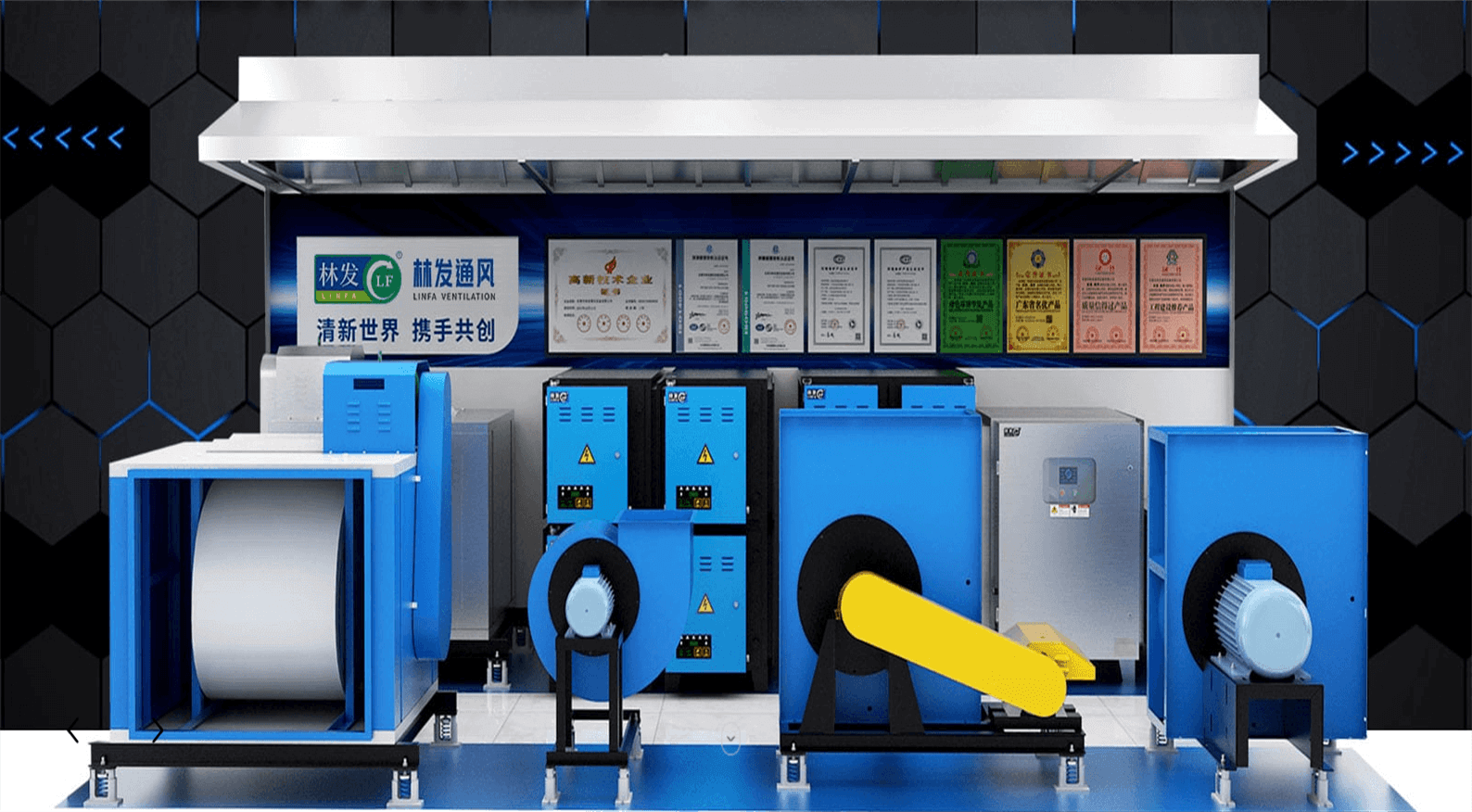 Commercial Ventilation Equipment
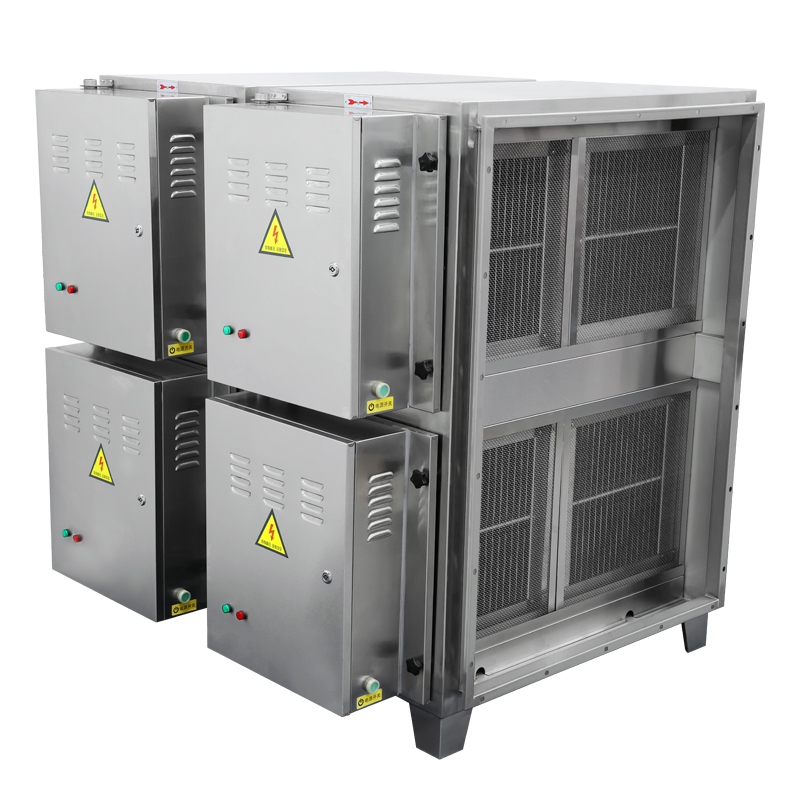 Commercial Electrostatic Precipitator
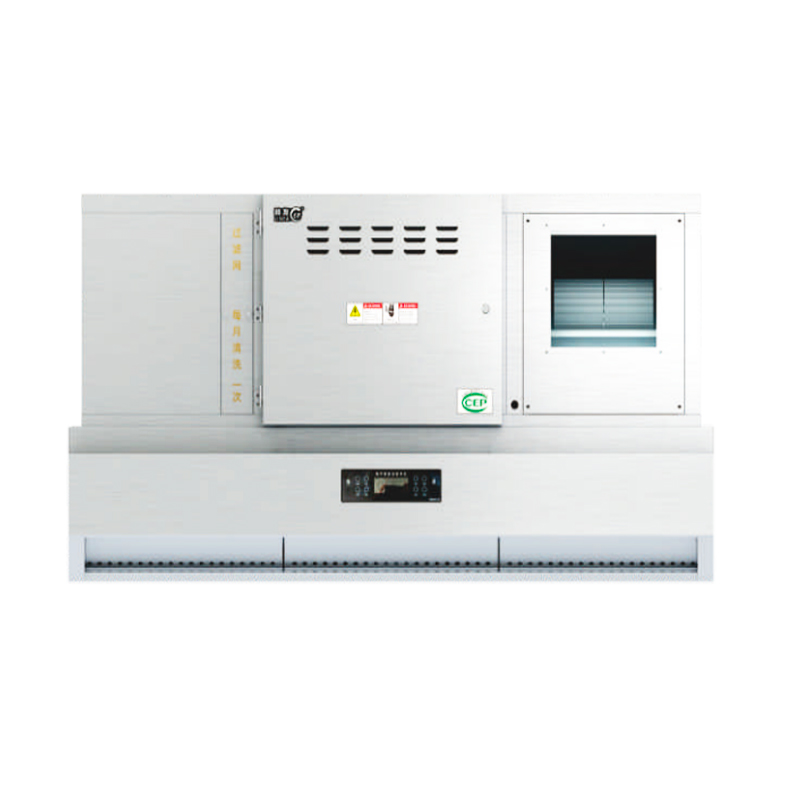 Commercial Kitchen ESP Hood
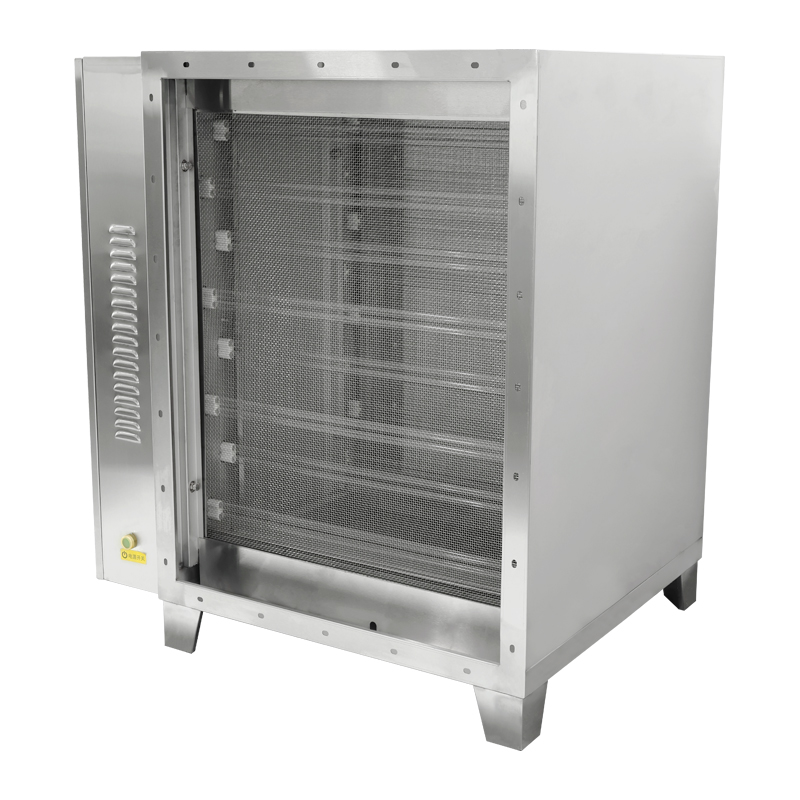 UV Deodorate Purifier
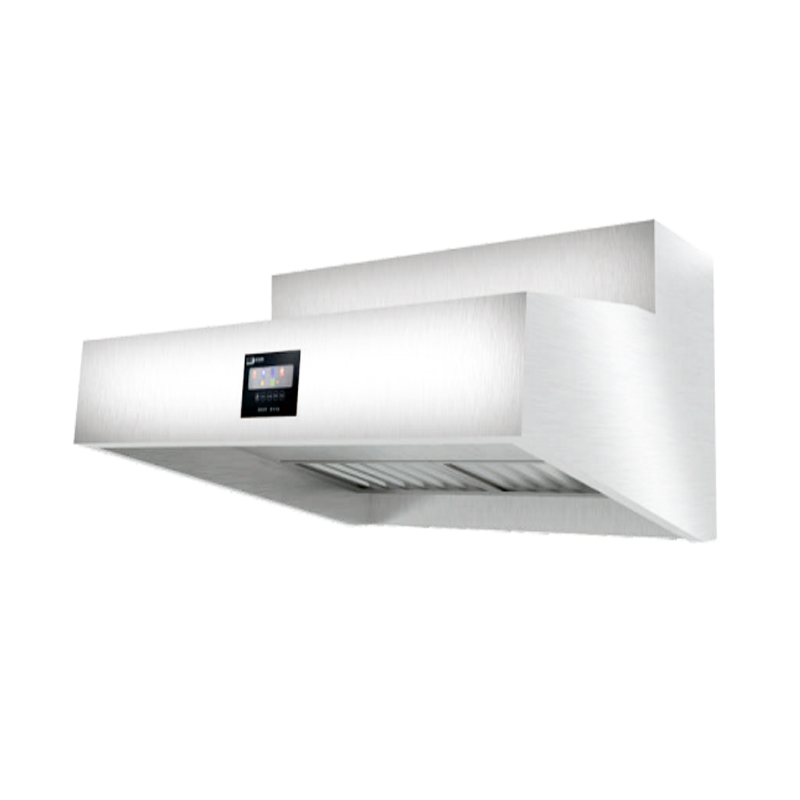 II Commercial Exhaust Hood
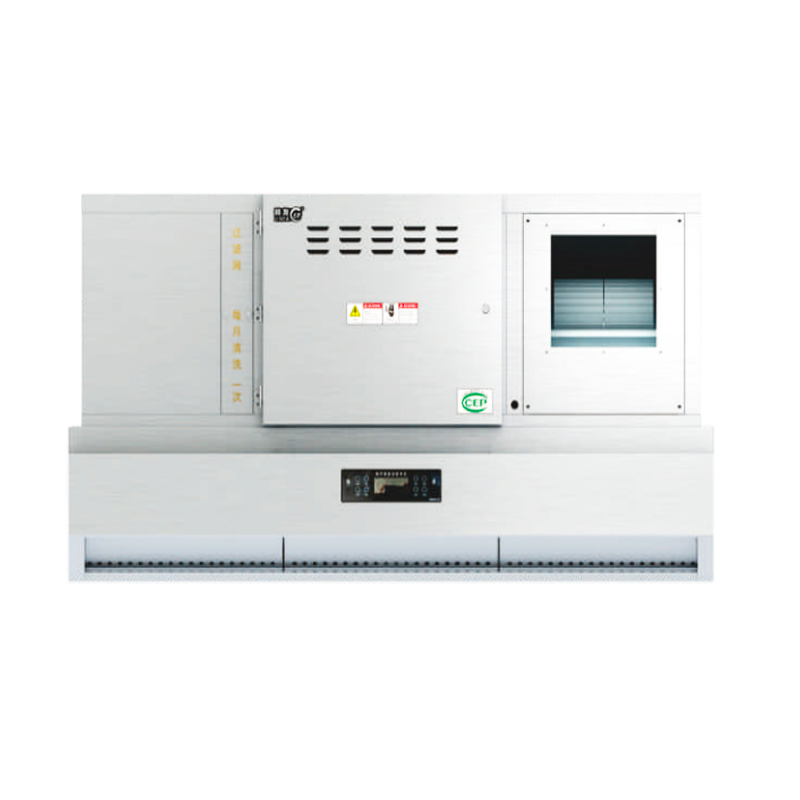 Commercial ESP Range Hood


