Having good garage ventilation systems is a real must if you want to keep the air clean and safe in your home. I mean, the National Fire Protection Association even points out that when ventilation is poor, toxic gases can build up, which isn’t great for anyone’s health. That’s why experts always stress the importance of proper airflow — making sure the air exchanges at the right rate can really make a difference.
I recently came across what John Smith, a pretty well-known expert in garage ventilation, said about this. He mentioned, “Investing in good quality garage ventilation systems can seriously boost indoor air quality and cut down on hazards.” Hearing that kind of advice just reinforces how important it is to understand how airflow works. Without the right systems in place, garages can become kind of dangerous — trapping fumes, moisture, and all that bad stuff.
It’s funny how many homeowners tend to overlook this, but the truth is, ignoring it can lead to some pretty serious consequences. Regular check-ups and improvements on your ventilation setup can really help keep things safe and running smoothly. Plus, with the industry constantly changing, it’s a good idea to stay in the loop on the latest best practices. At the end of the day, managing the air quality in your garage isn’t just about making things comfy — it’s about making sure your space is safe for everyone, especially family members.

Understanding the Importance of Garage Ventilation in Homes
Proper garage ventilation is often overlooked, yet it plays a critical role in home safety and air quality. A 2022 report from the American Society of Heating, Refrigerating and Air-Conditioning Engineers (ASHRAE) highlights that inadequate ventilation can lead to the accumulation of harmful gases. These gases can come from car emissions, cleaning products, and stored chemicals, which may pose health risks to residents.
The importance of garage ventilation systems cannot be overstated. Studies show that homes with proper ventilation significantly reduce the risk of mold growth and airborne pollutants. According to the U.S. Environmental Protection Agency (EPA), 9 out of 10 garages exhibit signs of poor air quality. Garage ventilation not only helps in managing humidity levels but also ensures the efficient disposal of volatile organic compounds (VOCs). This is crucial for spaces like garages, where emissions can linger.
In China, garage ventilation systems are becoming increasingly important as urban living rises. Homeowners are encouraged to invest in effective ventilation solutions. However, many still rely on basic window solutions, which may not suffice. The challenge is to balance airflow with energy efficiency. Embracing modern technologies for ventilation can produce healthier indoor environments. Yet, the awareness surrounding these systems remains low. It's essential for homeowners to educate themselves about optimal garage ventilation practices to ensure a safer home environment.
Types of Garage Ventilation Systems: Passive vs. Active Solutions
When considering garage ventilation systems, understanding the difference between passive and active solutions is crucial. Passive systems rely on natural airflow. They utilize vents, windows, or louvers to create a flow. According to industry reports, passive systems can reduce indoor humidity levels by up to 50%. This makes them an effective choice for climates with mild temperatures.
Active ventilation systems, on the other hand, use fans or blowers to enhance air circulation. They offer more control over temperature and can filter pollutants more effectively. Studies indicate that active systems can decrease stale air by 85% within 30 minutes of operation. However, these systems can be energy-intensive. Homeowners may face increased electrical costs, particularly during peak usage times.
Each type of system has its pros and cons. Passive solutions are cost-effective and low-maintenance, but they may not suffice in extreme temperatures. Active systems provide control and efficiency, but they require careful installation. Custom Garage Ventilation Systems can bridge the gap, integrating both solutions for optimal performance. Ensuring adequate ventilation will improve air quality and may prevent mold growth, which affects structural integrity. Balancing these factors is essential for effective implementation.
Key Factors Influencing Effective Garage Ventilation Design
Proper garage ventilation is crucial for maintaining air quality and safety. The design of an effective ventilation system depends on several key factors. According to the American Society of Heating, Refrigerating and Air-Conditioning Engineers (ASHRAE), garages should have ventilation rates of 0.5 air changes per hour. This ensures that harmful fumes, including those from vehicles, are diluted effectively.
Another important element is the layout of the garage. A well-planned system allows for cross-ventilation. Windows and vents should be strategically placed to promote air flow. Yet, many homeowners overlook the need for proper placement. This oversight can lead to stagnation and increased moisture levels. A study from the National Institute for Occupational Safety and Health (NIOSH) highlights that poor ventilation can lead to higher levels of carbon monoxide, which is a serious health risk.
Also, consider the climate when designing a ventilation system. In humid areas, exhaust fans can help reduce moisture buildup. Conversely, in colder regions, passive ventilation might suffice. However, this can prove inefficient during extreme weather. Evaluating the specific conditions of the garage environment is crucial. Proper adjustments can improve both energy efficiency and air quality.
Recommended Airflow Rates for Different Garage Sizes and Uses
When considering effective garage ventilation, airflow rates are crucial. For small garages, around 100 to 200 square feet, an airflow rate of 200 to 400 CFM (cubic feet per minute) is adequate. This rate helps reduce humidity and odors, especially if you use your garage for hobbies or storage. Just opening windows may not suffice; a proper ventilation system is essential.
For medium-sized garages, approximately 200 to 400 square feet, the recommended airflow increases to about 400 to 800 CFM. This facilitates better air circulation and prevents harmful exhaust from lingering. Many homeowners overlook this aspect. It’s a common mistake to underestimate the importance of airflow. A cramped, poorly ventilated garage can lead to moisture buildup and mold growth, which are difficult to rectify.
Larger garages, over 400 square feet, require at least 800 CFM. Ventilation fans can significantly enhance air movement in these spaces. However, reliance on mechanical ventilation alone may not be enough. Natural ventilation through strategic window placement should coexist with mechanical systems. Regular assessments can help maintain efficiency. It’s vital to adapt your garage ventilation to its specific use, whether for vehicles, workshops, or storage. Being proactive in ventilation planning prevents future issues and ensures a healthier environment.
Common Issues Caused by Inadequate Garage Ventilation
Inadequate garage ventilation can lead to several common issues. The buildup of humidity often results in mold growth. This can damage stored items and pose health risks. Over time, poor ventilation can also cause rust on tools and equipment. Unpleasant odors may develop, affecting nearby areas.
Effective garage ventilation systems can mitigate these problems. First, consider installing vents that promote proper airflow. Ensure that air can circulate freely by removing any obstructions. Additionally, use exhaust fans to enhance air exchange. This is vital for garages used as workshops or storage spaces. Regularly check for blockages to maintain efficiency.
Investing time in routine maintenance is crucial. Clean vents and filters to prevent dust accumulation. Monitor for signs of moisture and remedy them quickly. This not only extends the life of your garage but improves the overall atmosphere. A well-ventilated garage is a healthier, safer space for storage and projects.
Common Issues Caused by Inadequate Garage Ventilation
Energy Efficiency and Cost Considerations in Ventilation Systems
When it comes to garage ventilation, energy efficiency plays a vital role in system design. A well-ventilated garage reduces humidity levels, preventing mold growth and structural damage. Proper ventilation ensures that the air exchange rate meets necessary standards. This balance is crucial to minimizing energy consumption, especially during extreme weather.
Consider the installation costs versus long-term savings. Efficient systems may require a higher upfront investment. However, they can lower energy bills in the long run. A poorly designed system might lead to excessive energy use, which counters the initial savings. It’s essential to evaluate different options, including natural and mechanical ventilation. Oftentimes, people overlook the importance of combining both methods for optimal performance.
Additionally, think about the reliability of the system. Regular maintenance is key to ensuring longevity and efficiency. Many consumers don't realize that neglecting maintenance leads to higher costs over time. Investing in quality components can mitigate repair costs. Also, explore Wholesale Garage Ventilation Systems for more efficient solutions. Balancing initial costs with energy savings is crucial for effective ventilation.
Essential Tips for Effective Garage Ventilation Systems
| Ventilation Type | Benefits | Energy Efficiency Rating | Average Cost Range | Maintenance Frequency |
| Passive Ventilation | Cost-effective, low maintenance | N/A | $100 - $300 | Annual check |
| Active Ventilation | Improved air quality, humidity control | ★ ★ ★ ★ | $500 - $1200 | Semi-annual maintenance |
| Heat Recovery Ventilators (HRVs) | Energy-efficient, reduces heating costs | ★ ★ ★ ★ ★ | $1000 - $2500 | Annual filter replacement |
| Exhaust Fans | Quick removal of pollutants | ★ ★ ★ | $200 - $600 | Monthly checks |
Maintenance Tips to Ensure Optimal Garage Ventilation Performance
Maintaining optimal garage ventilation is crucial for safety and efficiency. According to the U.S. Fire Administration, poor ventilation can lead to hazardous conditions. Regular maintenance of your garage ventilation system can prevent these dangers. Clean air filters monthly; they trap dust and debris. Replace them when they become clogged to ensure airflow.
Inspect fans and ducts regularly. A visual inspection can reveal foreign objects blocking airflow. Poor airflow can lead to moisture buildup and mold growth. It's necessary to eliminate these threats promptly. The American Society of Heating, Refrigerating and Air-Conditioning Engineers (ASHRAE) recommends checking your systems at least twice a year. Professional evaluation helps in recognizing inefficiencies, enhancing your garage ventilation systems’ performance.
Consider upgrading your ventilation systems. A thorough analysis can highlight areas needing improvement. Efficient systems operate at lower energy costs, which is essential for long-term savings. Collaborating with a trusted Garage Ventilation Systems Supplier can provide insights into latest technologies and effective solutions. Ensuring your system is both effective and reliable requires ongoing effort and reflection on current practices.
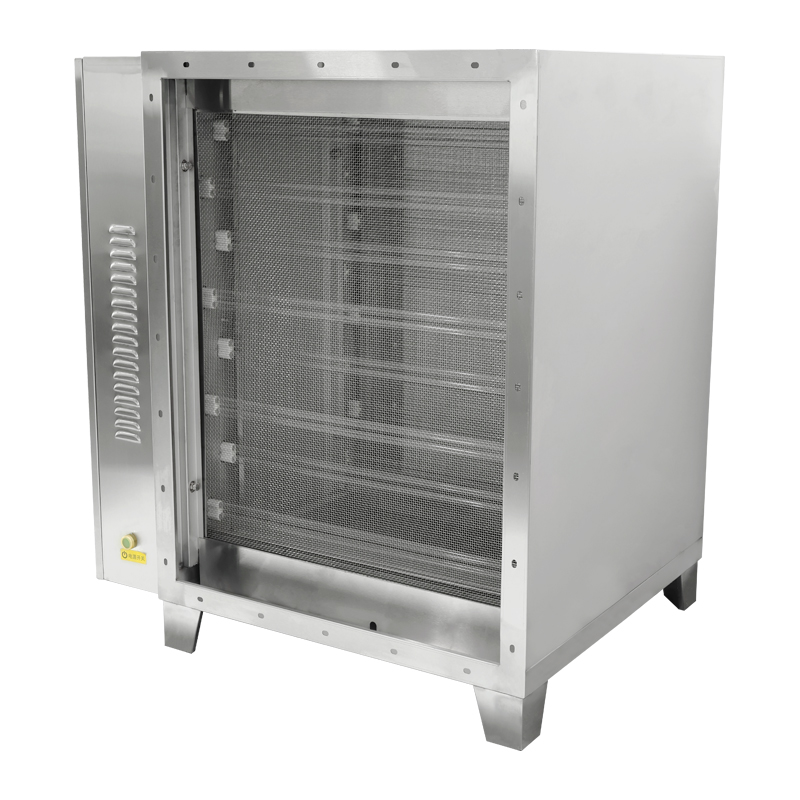
Innovative Solutions for Clean Air: An Overview of the Industrial Electrostatic Air Purification System ESP Filter VT-JDW-DB-40
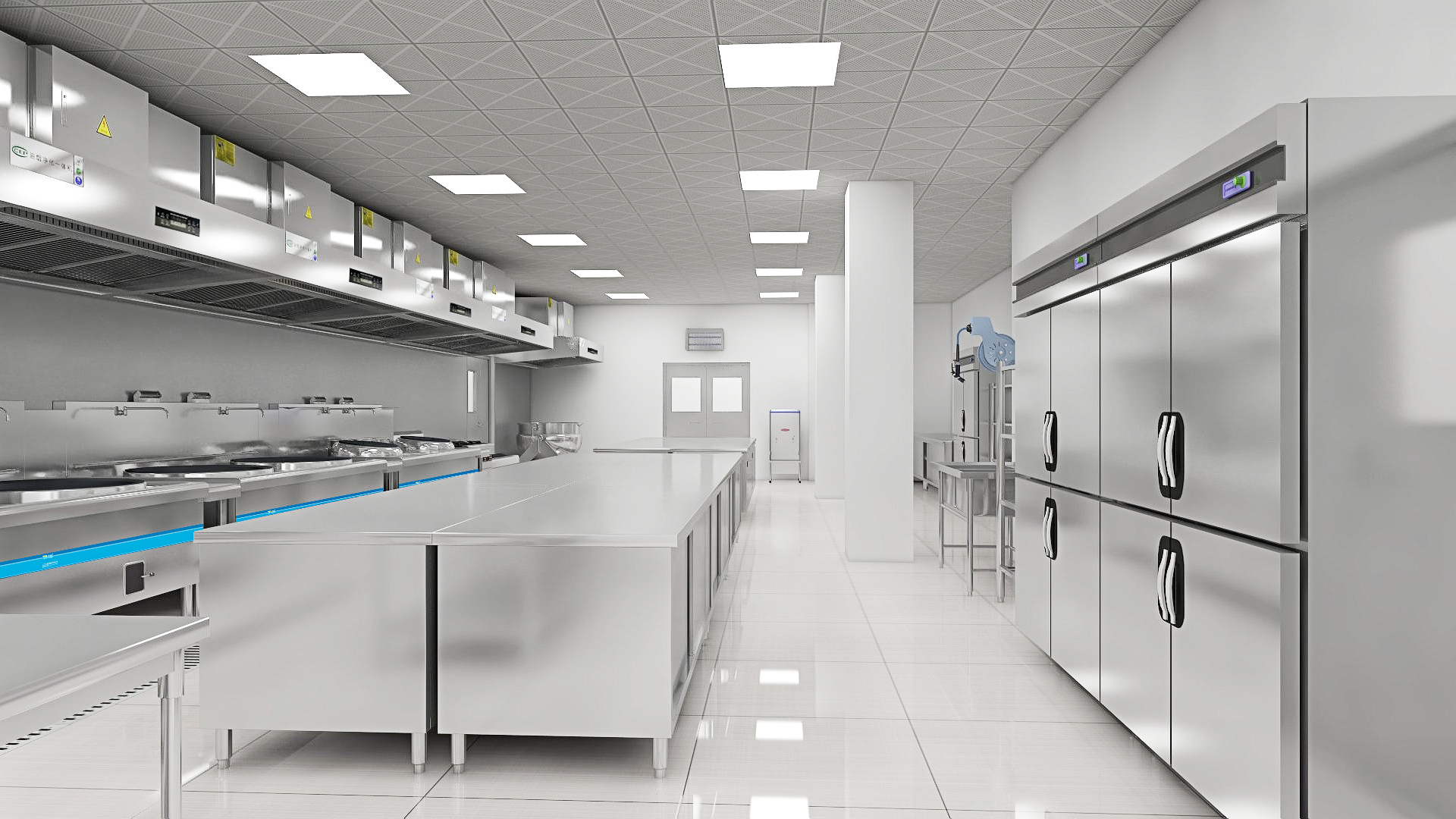
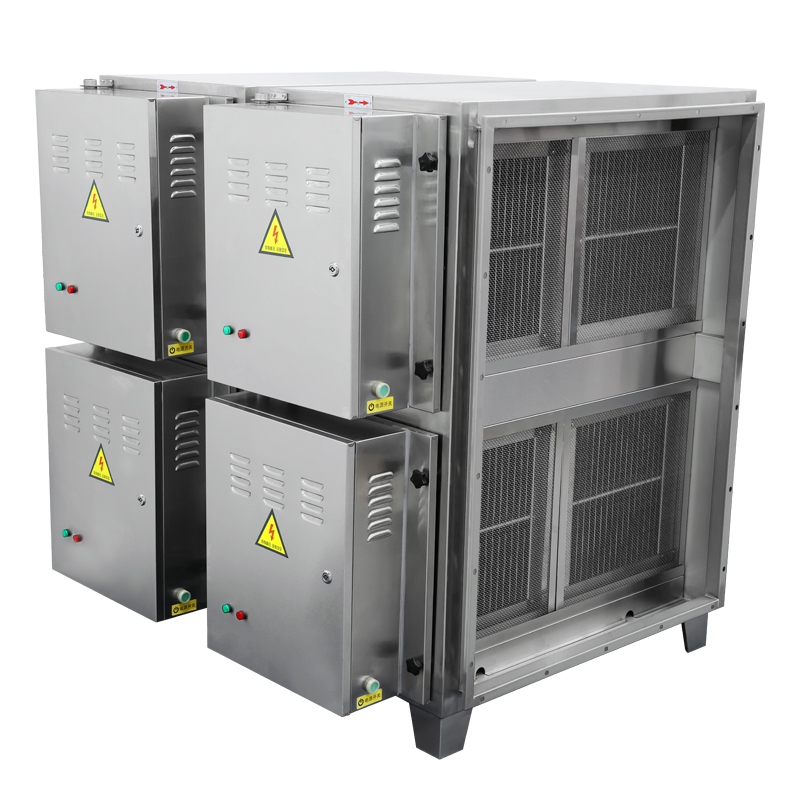
In modern commercial kitchens, the necessity for effective Air Purification Systems has never been greater, particularly in environments where oil fumes are prevalent. The Industrial Electrostatic Air Purification System, notably the ESP Filter VT-JDW-DB-40, emerges as an innovative solution designed to tackle the challenges posed by high levels of airborne contaminants in cooking facilities. With a remarkable capacity to filter, ionize, and adsorb up to 40,000 m³ of oil fumes or air per hour, this system ensures that chefs and patrons alike can enjoy a cleaner, more pleasant atmosphere.
The ESP Filter VT-JDW-DB-40 boasts a purification efficiency exceeding 95%, significantly reducing visible smoke and improving air quality. This advanced technology is particularly well-suited for establishments such as Asian restaurants, Korean BBQ joints, and other culinary settings where intense cooking methods are employed. By incorporating this state-of-the-art air purification system, commercial kitchens can not only enhance the dining experience but also promote a healthier environment for both employees and customers.
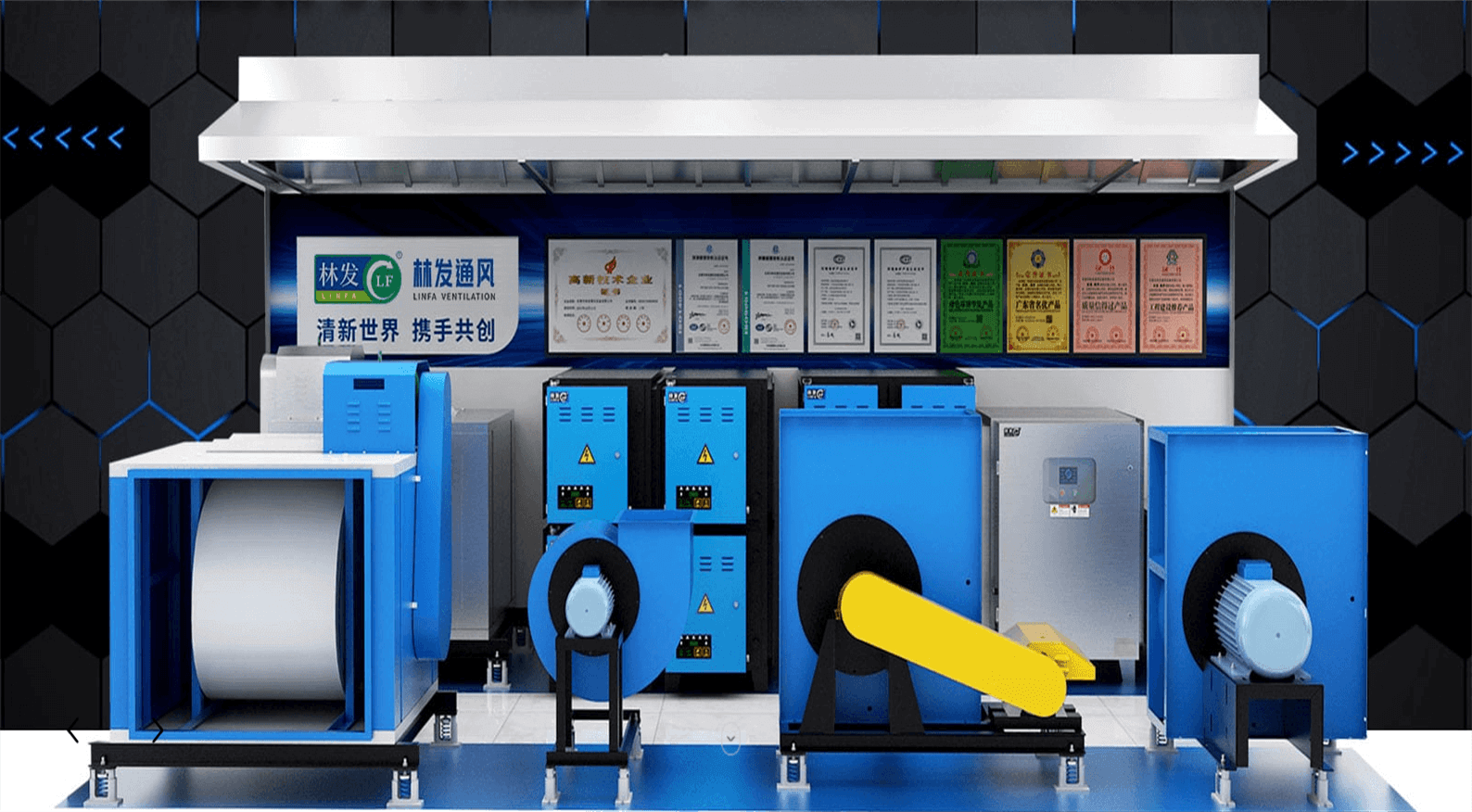
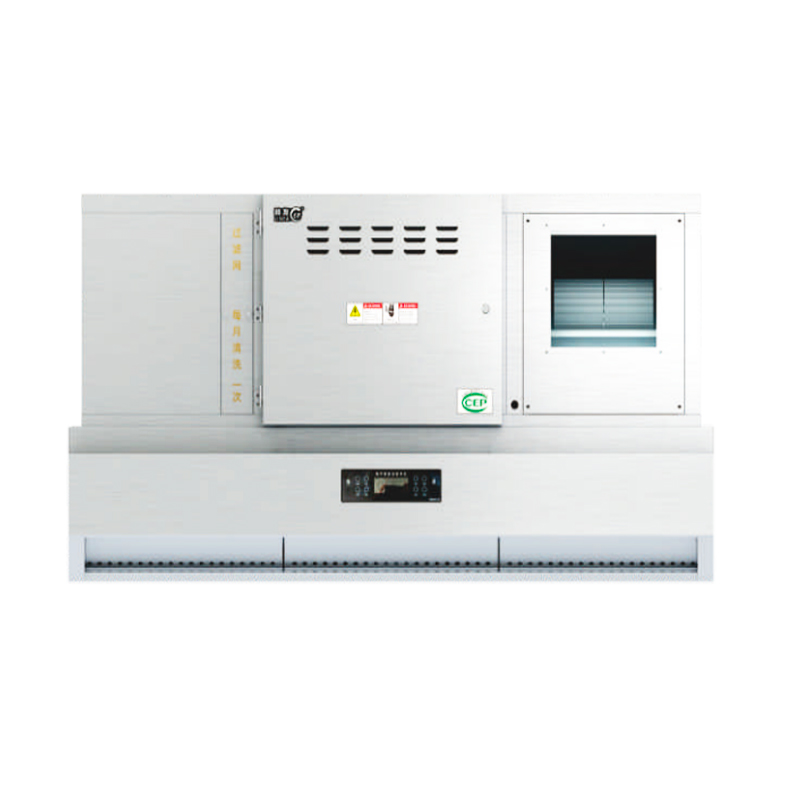
Moreover, the ESP Filter VT-JDW-DB-40 is customizable, allowing kitchen operators to tailor the system to their specific operational needs. Supported by ISO and CEP certifications, this product underscores a commitment to quality and performance in air purification technology, making it an essential component for any kitchen looking to maintain high standards of hygiene and comfort. By investing in such innovative solutions, businesses can thrive in an increasingly health-conscious market while ensuring that the air remains clean and safe for all.
FAQS
: Poor ventilation leads to mold growth, rust on tools, and unpleasant odors.
Install vents, remove obstructions, and use exhaust fans for better airflow.
Clean air filters monthly. Replace clogged filters to maintain airflow.
Regularly check vents, fans, and ducts for blockages or foreign objects.
It prevents moisture buildup and enhances the overall air quality in the garage.
The system should be checked at least twice a year for efficiency.
Yes, upgrading can improve efficiency and reduce energy costs over time.
Signs include mold, rust, and musty odors in the garage.
Mold growth can lead to respiratory issues and other health risks.
Regular cleaning and inspection can help maintain effective ventilation systems.
Conclusion
Effective garage ventilation systems are crucial for maintaining air quality, controlling temperature, and preventing moisture-related issues in residential garages. Understanding the importance of adequate ventilation helps homeowners choose between passive and active systems, each offering distinct benefits. Key factors such as garage size, usage, and airflow rates are essential for optimizing design and functionality.
Inadequate ventilation can lead to common problems like mold growth, unpleasant odors, and decreased energy efficiency. Homeowners should consider energy costs when implementing ventilation solutions and prioritize regular maintenance to ensure optimal performance. By addressing these elements, one can ensure that their garage ventilation systems operate effectively and contribute to a healthier home environment.

 Home
 Commercial Ventilation Equipment
 Commercial Electrostatic Precipitator
 Commercial Kitchen ESP Hood
 UV Deodorate Purifier
 II Commercial Exhaust Hood
 Commercial ESP Range Hood


