Picking the right Commercial Kitchen Exhaust System is a pretty big deal, no matter what kind of food service setup you have. These systems are super important for keeping the air clean and making sure everything runs safely, especially in busy kitchens. Did you know that, according to the Food Service Equipment and Supplies Institute, almost 70% of kitchen fires are linked to poor ventilation? That’s a pretty eye-opening stat, right? Experts keep emphasizing that having good airflow isn’t just about convenience — it’s about safety and making sure you’re complying with regulations too.
Chef John Doe, a well-known consultant when it comes to commercial kitchens, points out, “Getting the right exhaust system can totally affect how smoothly your kitchen works.” So, yeah, choosing the right one really matters. Things like the size of your kitchen, what kind of equipment you use, and the local rules can all influence what system fits best. If you pick the wrong one or if it isn’t efficient enough, you might end up paying more in energy costs or risking safety hazards — not to mention it could mess with your staff’s comfort.
Honestly, understanding all these details is pretty important. A poorly chosen exhaust system can impact everything from how well your food cooks to how comfortable your team feels working there. It’s not always straightforward, and reflecting on past decisions can really help you make smarter choices down the line. In the end, finding the right venting solution isn’t something you wanna do all on your own — it’s really best left to seasoned pros who know their stuff.

Understanding the Importance of Exhaust Systems in Commercial Kitchens
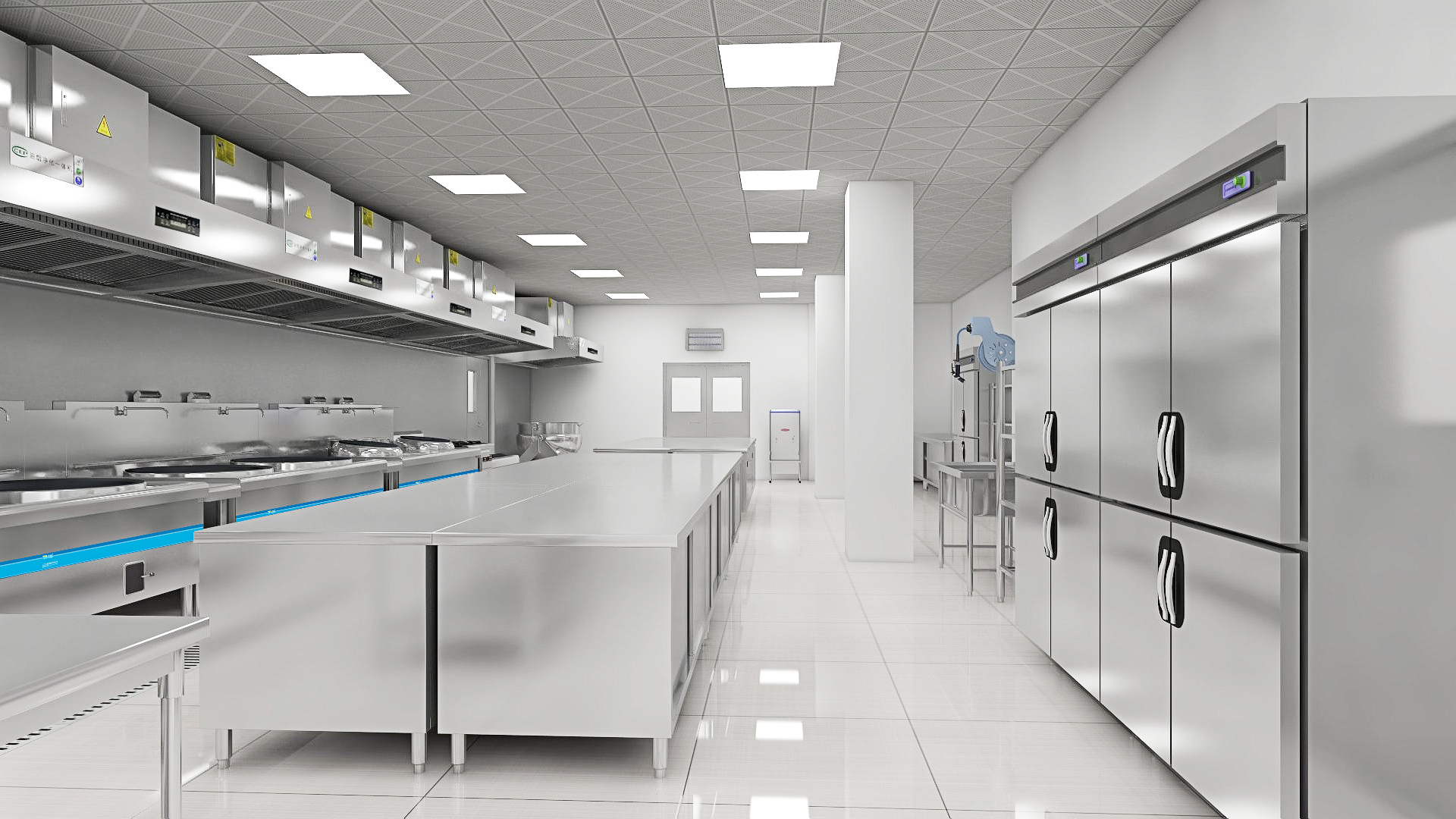
In commercial kitchens, the exhaust system plays a vital role in maintaining a safe and efficient cooking environment. A well-designed exhaust system efficiently removes smoke, grease, and other contaminants. According to industry data, improper ventilation can increase energy costs by up to 30%. This highlights the importance of investing in the right exhaust system.
When evaluating the Commercial Kitchen Exhaust System Price, consider its long-term benefits. A system that effectively captures airborne particulates can reduce fire hazards associated with grease buildup. Moreover, kitchens that operate with proper ventilation often report improved employee performance and satisfaction. Data indicates that well-ventilated spaces enhance air quality, leading to healthier work conditions.
However, not all systems are created equal. Some may lack the capacity to handle high-volume cooking operations. Miscalculating the required airflow can lead to poor performance and increased operational costs. Reflecting on your kitchen's unique needs is essential when making this decision. Balancing the initial investment with ongoing maintenance costs will ensure that your chosen system meets both safety standards and budgetary constraints.
Types of Commercial Kitchen Exhaust Systems: A Comparative Overview
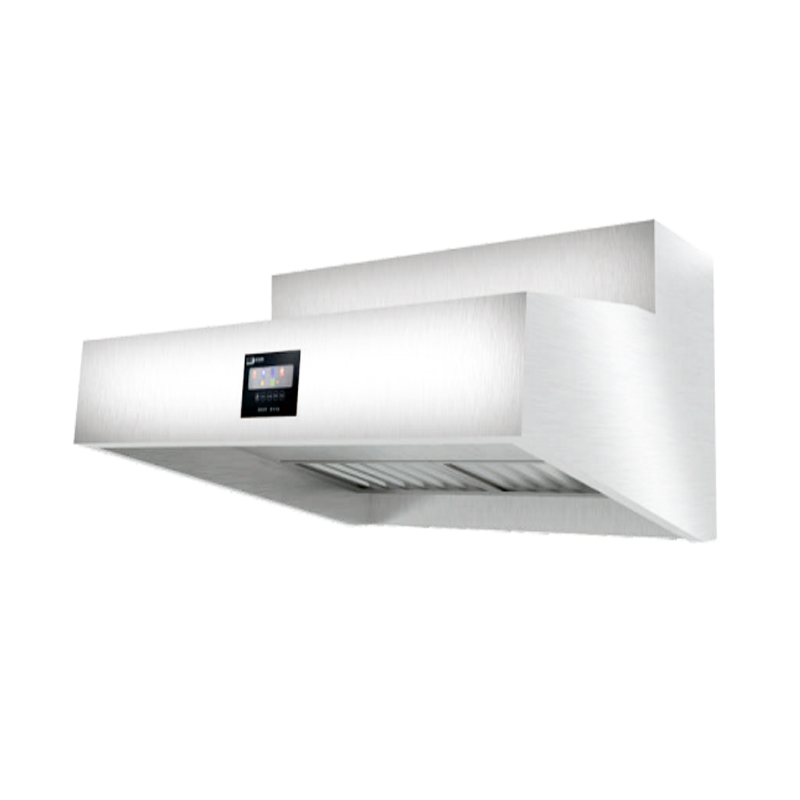
When selecting a commercial Kitchen Exhaust System, understanding the types is crucial. Generally, there are three main types: canopy hoods, wall-mounted hoods, and down-draft systems. Canopy hoods are typically placed above stoves and frying areas. They capture smoke and heat effectively. Wall-mounted hoods save space, fitting tightly against the wall. Yet, they may not be as powerful as their canopy counterparts. Down-draft systems are less common, but they pull air down and away from the cooktop. This design can lead to a more open kitchen space.
Each option has its pros and cons. For instance, while a canopy hood offers robust performance, its installation can be complex. A wall-mounted system is simpler to install but might miss the mark in high-output environments. It’s important to assess your kitchen’s layout and cooking methods. An underperforming China Commercial Kitchen Exhaust System can lead to poor air quality and increased heat levels.
Take the time to evaluate your needs. Understanding airflow requirements and kitchen layout is essential. Sometimes, a combination of systems might be the best choice. The right exhaust system can enhance kitchen efficiency significantly. Reflecting on your specific cooking demands ensures optimal performance and safety in your kitchen environment.
Key Factors to Consider When Selecting an Exhaust System
When selecting the right commercial kitchen exhaust system, several key factors must be considered. The design and layout of your kitchen play a crucial role. Assess the space to determine the appropriate exhaust type needed. High-volume cooking demands more robust ventilation. Think about your cooking methods, too. Fryers and grills generate more grease and require specialized systems.
Tip: Always account for local regulations. Guidelines may dictate the type of systems permitted in your area. Being aware of these rules prevents costly adjustments later.
Noise levels cannot be overlooked. Some systems operate at high decibels, which can disrupt kitchen staff. Look for options that prioritize quieter operation. Balance efficiency and comfort to ensure a better work environment.
Consider energy efficiency as well. An efficient system saves on operational costs. However, never sacrifice performance for savings. This balance is crucial for sustainable kitchen management, making thoughtful selections essential.
Sizing Your Exhaust System: Calculating Airflow Requirements
Sizing your exhaust system is crucial for optimal performance. Accurate airflow calculations ensure effective removal of smoke, steam, and odors. Start by assessing the types of cooking equipment in your kitchen. Grills, fryers, and ovens produce different levels of heat and smoke. Each piece has specific airflow requirements. This may involve some trial and error to find the perfect balance.
Consider factors such as kitchen layout and ceiling height. A kitchen with high ceilings may require a more powerful exhaust system. It's important to account for these variables during the sizing process. Ventilation design often involves intricate calculations. This is where a Custom Commercial Kitchen Exhaust System can come into play. Customized designs can help adapt to unique kitchen configurations and meet specific cooking needs effectively.
Documenting kitchen operations is also essential. Record the frequency and type of cooking activities. This data helps refine airflow requirements over time. Many kitchens overlook this step. Regularly reviewing and adjusting your calculations ensures continuous efficiency. A small miscalculation can lead to excess grease buildup or poor air quality. This can compromise kitchen safety and staff comfort. Aim for a system that not only meets immediate needs but can adapt as your culinary demands evolve.
How to Choose the Right Commercial Kitchen Exhaust System? - Sizing Your Exhaust System: Calculating Airflow Requirements
| Key Factors | Description | Recommended Airflow (CFM) |
| Type of Cooking Equipment | The type of equipment used in the kitchen, such as grills, fryers, or ovens, impacts the exhaust needs. | 600 - 1200 |
| Kitchen Size (sq ft) | The size of the kitchen space influences the volume of air that needs to be moved. | 300 - 800 |
| Ceiling Height (ft) | Higher ceilings require more airflow to ensure proper ventilation. | 300 - 700 |
| Type of Exhaust Hood | Different hoods (type I or type II) have different airflow requirements based on the cooking process. | 400 - 1000 |
| Location of Fresh Air Intake | Proximity to fresh air sources can affect the needed exhaust rate and system design. | 100 - 400 |
Material and Construction: Ensuring Durability and Efficiency
When selecting a commercial kitchen exhaust system, material and construction play critical roles. Stainless steel is a popular choice due to its resistance to corrosion and ease of cleaning. It can handle the demanding conditions of a busy kitchen. However, not all stainless steel is created equal. Thinner materials may bend or warp, impacting both efficiency and safety. Checking the gauge is essential for ensuring durability.
The construction of the exhaust system also matters. Properly welded seams prevent leaks, which can lead to grease buildup and fire hazards. Ductwork should have smooth interiors to promote efficient airflow. Yet, many kitchens overlook these aspects, leading to costly repairs down the line. Additionally, regular inspections can identify wear and tear before they escalate into major issues.
Choosing the right materials and ensuring quality construction can optimize performance. Problems arise when corners are cut to save costs. A well-built system is more reliable and performs efficiently under heavy use. Investing in quality materials may seem higher upfront, but it will save money over time. Compromising on materials could lead to frequent breakdowns, which is a significant risk in a fast-paced kitchen environment.
Compliance with Local Codes and Regulations for Exhaust Systems
When selecting a commercial kitchen exhaust system, adherence to local codes and regulations is crucial. Each region has specific requirements for ventilation and exhaust systems. Some may mandate certain types of filters or fan configurations. Failing to comply can lead to hefty fines or shutdowns. It's essential to consult local laws before making decisions.
Understanding the technical aspects of exhaust systems is equally important. Exhaust hoods should be designed based on the kitchen layout and equipment. The placement of the system impacts its effectiveness. Inadequate installation can create safety hazards. Regular inspections may be required to ensure ongoing compliance as well.
Working with reputable professionals can streamline the process. They can help navigate the complex regulations and ensure all installations meet standards. However, relying solely on expertise is not enough. Operators should actively educate themselves about local codes. They should also periodically review regulations to stay up to date. By doing this, kitchens can operate efficiently and safely.
Maintenance Tips for Long-lasting Performance of Exhaust Systems
Regular maintenance of commercial kitchen exhaust systems is crucial for ensuring their longevity and high performance. According to industry reports, poorly maintained exhaust systems can lead to increased energy costs and potential fire hazards. It's essential to establish a cleaning schedule. The National Fire Protection Association (NFPA) recommends cleaning exhaust hoods at least every six months. Neglecting this can allow grease buildup, which not only creates odors but also serves as a combustible material.
Inspecting the exhaust system is equally important. Filters should be checked frequently for blockages. A report from the Food Service Technology Center indicates that a clogged filter can reduce a system's efficiency by as much as 50%. Regularly replacing worn-out parts is necessary. Delaying these replacements can lead to costly repairs or even system failure.
Investing in a Wholesale Commercial Kitchen Exhaust System can be wise, but ongoing diligence is key. Many kitchen operators underestimate the importance of maintenance. Regular checks ensure that the exhaust system operates within safety compliance. This proactive approach can save money in the long run. It’s vital to develop a consistent maintenance checklist tailored to your kitchen’s unique needs.
How to Choose the Right Commercial Kitchen Exhaust System
This chart illustrates the importance of various factors influencing the selection and maintenance of commercial kitchen exhaust systems. The following data represents the percentage importance of different maintenance factors for long-lasting performance.
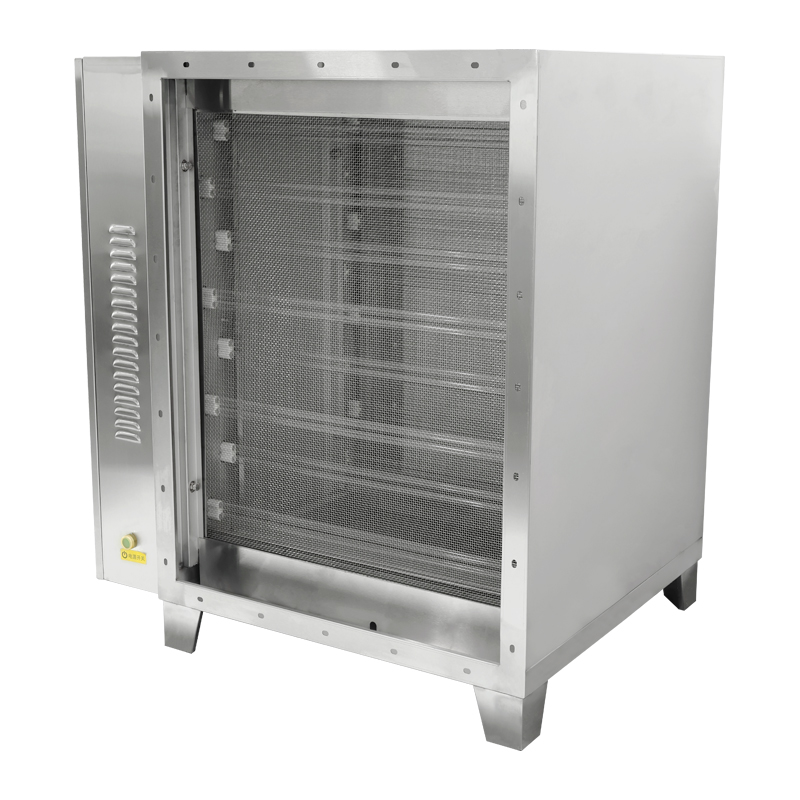
Efficient Air Quality Solutions: Exploring the Restaurant Kitchen Electrostatic Oil Fume Precipitator VT-JDW-G-A-6
As air quality continues to be a growing concern, especially in urban environments, effective air purification solutions are crucial for establishments like restaurants. TheRestaurant Kitchen Electrostatic Oil Fume Precipitator VT-JDW-G-A-6 has emerged as a reliable option for managing airborne pollutants generated during cooking processes. This device is designed with a single-area electrostatic ionization field and a double filter screen, capable of purifying up to 65% of kitchen oil fumes. This level of efficiency not only helps maintain a healthier kitchen environment but also ensures compliance with government oil fume emission standards.
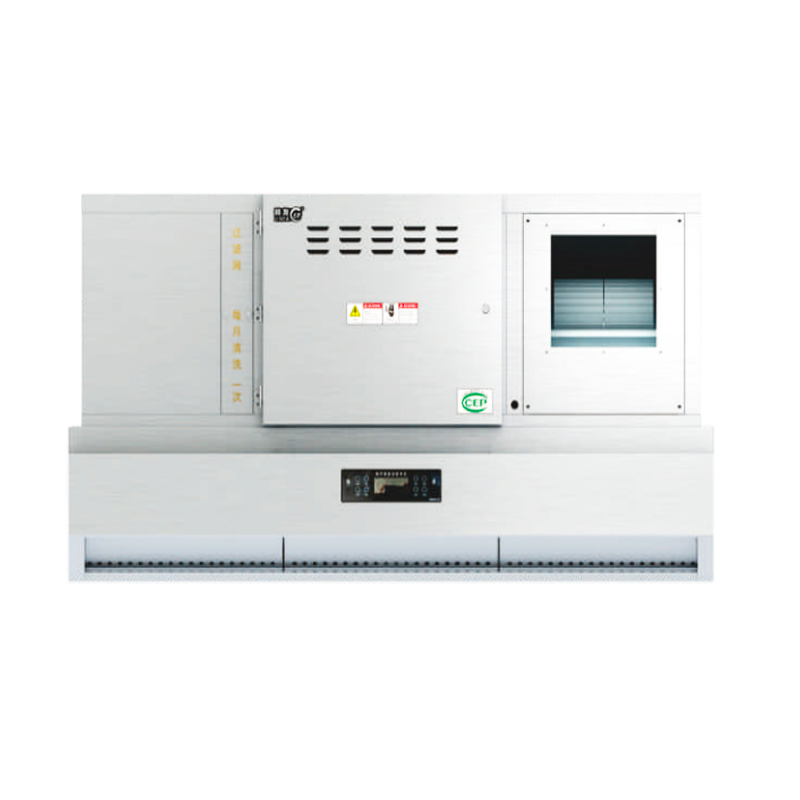
A recent industry report highlights that commercial kitchens are some of the largest contributors to air pollution due to the high volumes of oil fumes released during cooking. Many establishments struggle to meet environmental regulations, which can lead to hefty fines and reputational damage. The VT-JDW-G-A-6 is particularly beneficial for budget-conscious restaurants or commercial spaces, providing an affordable yet effective solution to air quality challenges. This system boasts ISO and CEP certifications, ensuring it meets stringent quality and safety standards.
Tailored services such as customized OEM and ODM options make this device adaptable to specific kitchen layouts and varying airflow needs. By investing in the VT-JDW-G-A-6, restaurants can take significant steps toward enhancing both air quality and compliance, ultimately improving the overall dining experience for their customers while contributing to a cleaner environment.
FAQS
: It removes smoke, grease, and contaminants, ensuring safety and efficiency.
It can increase energy costs by up to 30%. This is a significant expense to consider.
Improved air quality leads to healthier conditions and enhances employee satisfaction and performance.
Evaluate the system's capacity for high-volume cooking and align it with your specific needs.
They should be cleaned at least every six months to prevent grease buildup and odors.
Clogged filters can reduce efficiency by 50%. Regular checks can prevent this issue.
Delays in replacements can lead to costly repairs or complete system failure.
Proactive maintenance ensures compliance and prevents potential issues, reducing overall costs.
Many underestimate the importance of regular maintenance checks. This can have serious consequences.
It should be tailored to your kitchen’s needs and include tasks like cleaning and inspections.
Conclusion
Choosing the right Commercial Kitchen Exhaust System is crucial for maintaining a safe and efficient cooking environment. Understanding the importance of these systems involves recognizing their role in removing smoke, heat, and odors, which can significantly impact the performance and comfort of kitchen staff. A comparative overview of different types of exhaust systems helps in identifying the most suitable option based on a kitchen’s specific needs.
When selecting an exhaust system, key factors such as airflow requirements, material durability, and construction quality must be considered to ensure efficiency and longevity. Sizing the exhaust system accurately is vital, as it involves calculating the necessary airflow to match the kitchen's cooking equipment and layout. Additionally, compliance with local codes and regulations is essential to adhere to safety standards. Finally, regular maintenance tips can contribute to the lasting performance of the exhaust system, ensuring a clean and safe commercial kitchen environment.

 Home
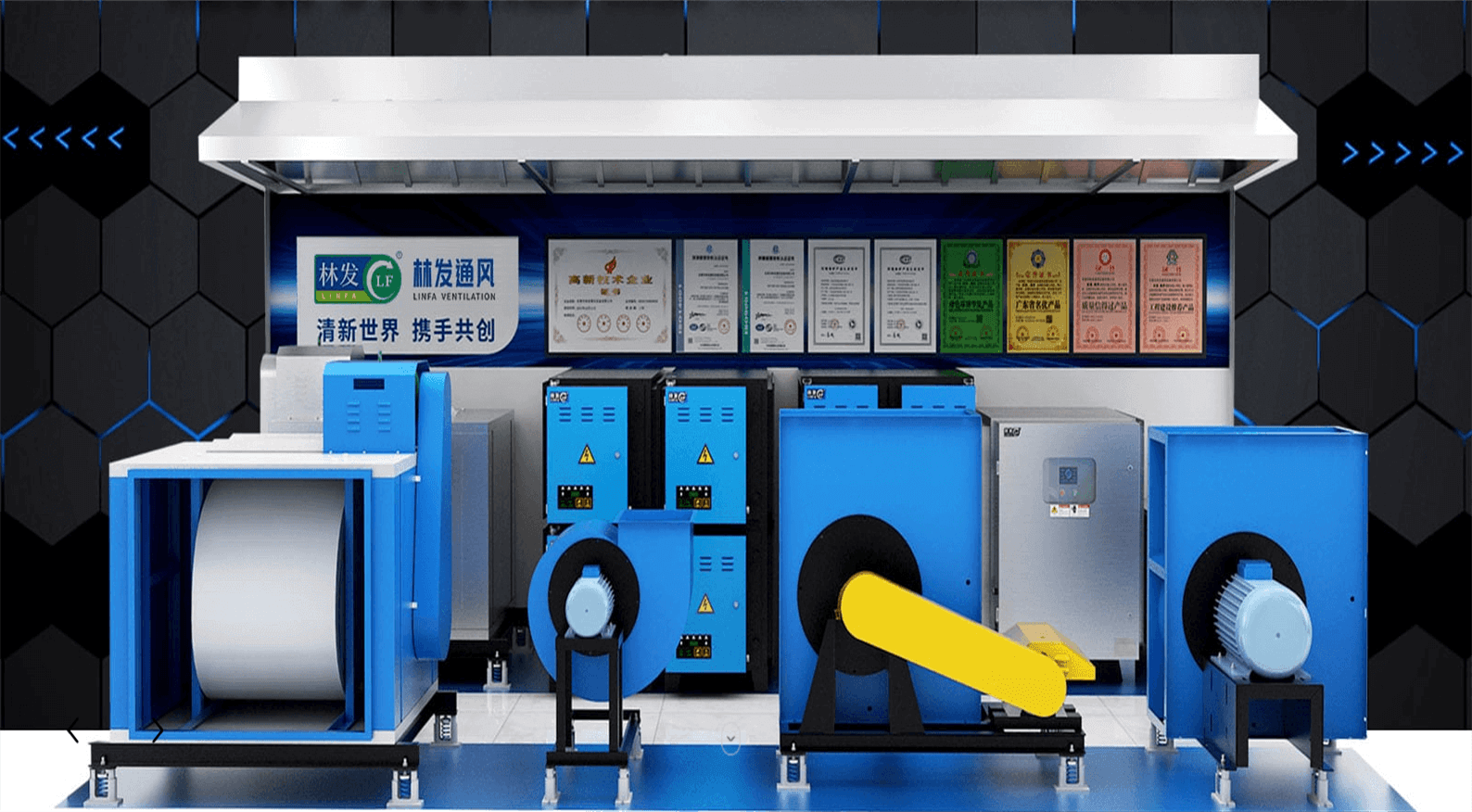 Commercial Ventilation Equipment
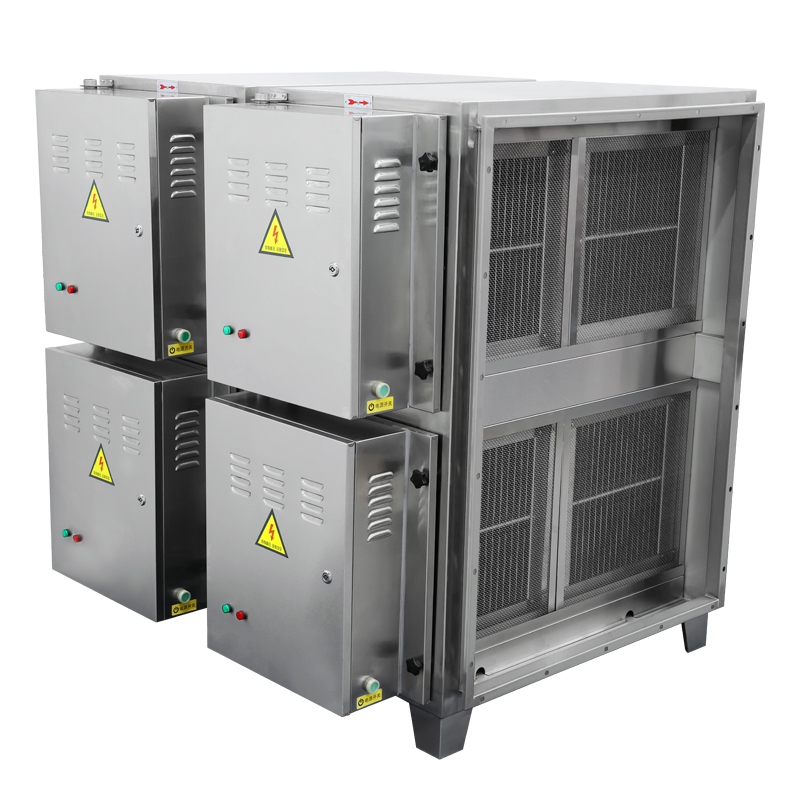 Commercial Electrostatic Precipitator
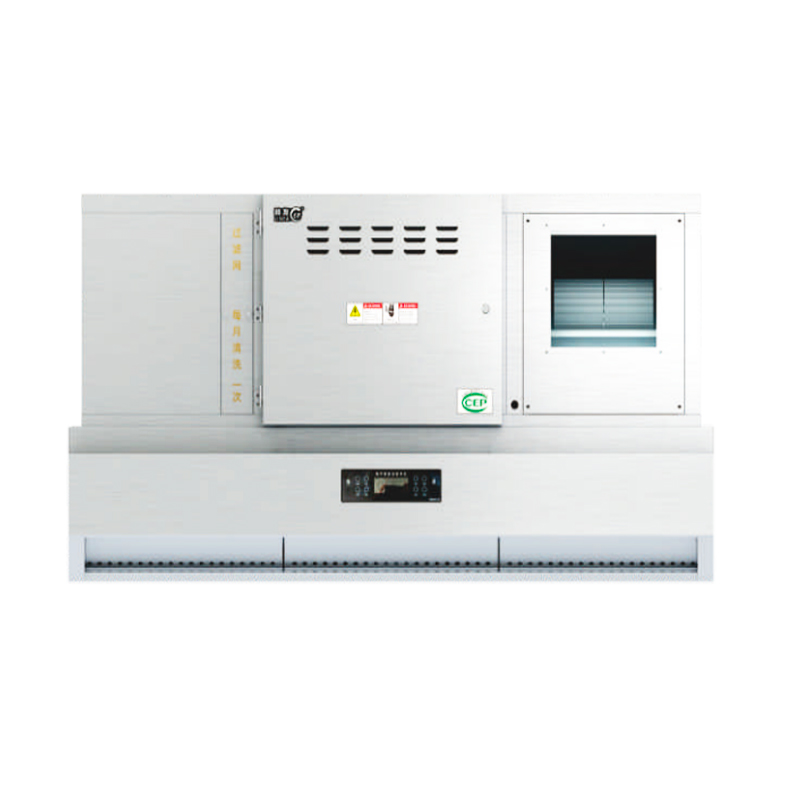 Commercial Kitchen ESP Hood
 UV Deodorate Purifier
 II Commercial Exhaust Hood
 Commercial ESP Range Hood


