In the busy world of running a restaurant, keeping the kitchen safe and running smoothly is absolutely essential. One key part of that is choosing the right Commercial Kitchen Exhaust Hood. Did you know that, according to the National Fire Protection Association (NFPA), about half of all restaurant fires are caused by cooking equipment? That really highlights how important good ventilation is. A properly designed exhaust hood doesn’t just help in preventing fires; it also improves air quality, making the kitchen a healthier place for staff and creating a better dining experience for your customers.
On top of that, the American Society of Heating, Refrigerating, and Air-Conditioning Engineers (ASHRAE) stresses how vital effective exhaust systems are for controlling heat, smoke, and odors that come from food prep. If your ventilation isn’t up to par, you could end up wasting energy, facing higher costs, and putting your equipment through unnecessary strain—which can really mess with your overall operations. Plus, with the commercial kitchen market expected to hit over $100 billion by 2025, investing in a good exhaust hood is more than just a safety measure—it's a smart move for your business. As a restaurant owner, understanding how to pick the right hood based on your specific cooking style and kitchen setup is super important for keeping things running smoothly in the long run.

Understanding the Importance of Exhaust Hoods in Commercial Kitchens
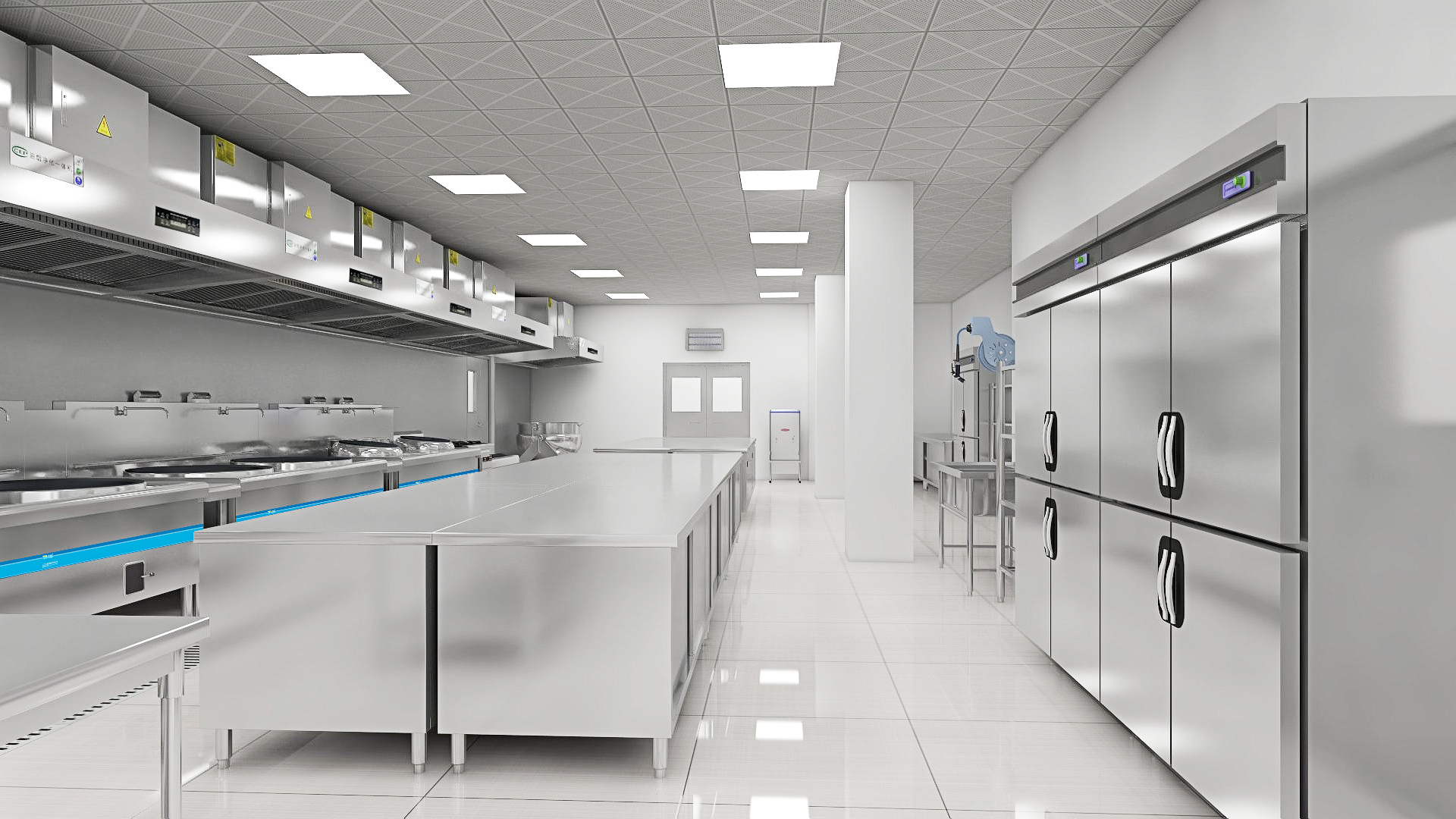
In a commercial kitchen, exhaust hoods play a critical role in maintaining a safe and comfortable environment. These systems are designed to remove smoke, grease, heat, and odors that result from cooking processes. Without adequate ventilation, kitchens can become hazardous, not only affecting the health of the staff but also increasing the risk of fire due to grease buildup. Furthermore, a well-functioning exhaust system can enhance the efficiency of kitchen appliances and improve overall air quality, ensuring a pleasant dining experience for guests.
When selecting the right exhaust hood, it's essential to consider several key factors. First, assess the cooking methods utilized in your kitchen. Different cooking techniques generate varying amounts of heat and grease, which will influence the type and size of the hood required. Additionally, consider the layout and design of your kitchen; an effective exhaust system should be installed in a way that optimizes airflow and captures contaminants effectively.
**Tips**: Ensure proper ducting to the outside to maximize the efficiency of your exhaust hood. Regular maintenance is crucial; clean filters and ducts frequently to prevent buildup and ensure optimal performance. Lastly, consult with professionals familiar with local building codes to ensure your exhaust system meets safety and regulatory standards.
Types of Commercial Kitchen Exhaust Hoods: A Comprehensive Guide
When it comes to setting up a commercial kitchen, selecting the right exhaust hood is crucial for ensuring safety, efficiency, and cleanliness. There are several types of commercial Kitchen Exhaust Hoods, each designed to address specific cooking environments and ventilation needs. The most common types include the canopy hood, which is ideal for fryers and grills due to its wide coverage over cooking appliances; the wall-mounted hood, which is typically used in smaller kitchens and directly vents smoke and grease outside; and the island hood, which is perfect for open kitchen designs where cooking equipment is situated in the center of the space.
Another important type is the under-cabinet hood, often used in smaller setups or home kitchen equivalents, which can provide effective ventilation while saving space. Additionally, there are specialized hoods designed for specific cooking methods, such as ventless hoods that recycle air back into the kitchen and can be effective in limited spaces. Choosing the right exhaust hood involves considering the size of your kitchen, the type of cooking you're doing, and local health and safety regulations, making it essential to understand the various options available to create a safe and efficient working environment.
Factors to Consider When Selecting an Exhaust Hood for Your Restaurant
When selecting an exhaust hood for your restaurant, several critical factors should be taken into consideration to ensure the safety, efficiency, and compliance of your kitchen environment. First and foremost, you need to evaluate the type of cooking equipment you have. Different types of cooking methods, such as frying, grilling, or boiling, emit various levels of heat and smoke, and the exhaust hood must be tailored to handle these specific emissions effectively. For instance, a heavy-duty exhaust hood is typically required for intense cooking operations that involve higher amounts of grease and particulates.
Another essential factor is the size and layout of your kitchen. The dimensions of the exhaust hood should correspond with the size of your cooking area and the appliances in use. Proper placement and sizing help in maximizing the capture of heat and fumes while ensuring that cool air circulation is not compromised. Additionally, consider the ventilation system's capacity; it is critical to match the hood's airflow with the kitchen's needs to maintain a comfortable working environment. Finally, local regulations and codes regarding ventilation systems must be researched and adhered to, as these regulations are designed to promote safety and efficiency in commercial cooking establishments.
Factors to Consider When Selecting an Exhaust Hood for Your Restaurant
Assessing the Size and Capacity of Your Kitchen Exhaust Hood
When selecting a commercial kitchen exhaust hood for your restaurant, assessing the size and capacity is crucial to ensure optimal performance. The size of the hood should correspond to the cooking equipment it will service. As a general rule, the hood should extend at least 6 inches beyond the edges of the cooking appliances to effectively capture smoke, heat, and grease. For larger equipment or setups with multiple cooking stations, a wider and longer hood may be necessary to ensure adequate ventilation and safety.
Capacity is another key factor to consider when choosing an exhaust hood. This is typically measured in cubic feet per minute (CFM) and indicates the volume of air the hood can effectively remove from the kitchen. The required CFM depends on the type of cooking methods being used, the amount of heat produced, and local health and safety regulations. For instance, heavy-duty cooking operations that generate substantial smoke and odors will necessitate a higher CFM compared to lighter cooking practices. Calculating the airflow requirements based on these factors ensures that your kitchen remains well-ventilated, maintaining a comfortable environment for your staff and guests while minimizing fire hazards.
How to Choose the Right Commercial Kitchen Exhaust Hood for Your Restaurant
| Dimension | Measurement | Suitable Kitchen Size | Exhaust Flow Rate (CFM) | Hood Type |
| Width | 48 inches | Small kitchens (less than 600 sq ft) | 600 CFM | Type I |
| Width | 60 inches | Medium kitchens (600 - 1500 sq ft) | 900 CFM | Type I |
| Width | 72 inches | Large kitchens (over 1500 sq ft) | 1200 CFM | Type I |
| Width | 48 inches | Small kitchens (less than 600 sq ft) | 600 CFM | Type II |
| Width | 60 inches | Medium kitchens (600 - 1500 sq ft) | 900 CFM | Type II |
Choosing the Right Material and Design for Durability and Efficiency
When selecting the right commercial kitchen exhaust hood, the material and design are paramount for ensuring both durability and efficiency. Stainless steel is a popular choice due to its corrosion resistance and ease of cleaning, making it ideal for high-volume kitchens where hygiene is crucial. Aluminum is another option; while lightweight and affordable, it may not have the same longevity or structural integrity as stainless steel. The choice of material affects not only the lifespan of the hood but also its ability to withstand the rigors of a busy kitchen environment.
Design plays a vital role in the performance of an exhaust hood. A well-designed hood should offer adequate capture and containment of grease-laden vapors and other cooking byproducts. Considerations such as the size and shape of the hood, along with proper airflow dynamics, can greatly influence efficiency. Additionally, a custom-designed hood can better suit the specific needs of your kitchen layout and cooking equipment, optimizing ventilation and enhancing overall kitchen safety. Choosing the right combination of materials and designs ensures that exhaust hoods fulfill their critical function while contributing to the longevity and operational efficiency of your restaurant.
Local Regulations and Codes Impacting Exhaust Hood Selection
When selecting a commercial kitchen exhaust hood, it is crucial to consider local regulations and codes that govern ventilation systems. These regulations are designed to ensure the safety of both employees and patrons by minimizing fire hazards and reducing airborne contaminants. Each municipality may have specific requirements related to hood size, type, and installation standards, which often stem from the fire code, health department regulations, and local building codes. It is essential for restaurant owners to familiarize themselves with these rules to ensure compliance and avoid potential fines or operational shutdowns.
Additionally, local regulations may dictate the type of cooking equipment used and the associated exhaust needs. For example, cooking methods that produce high levels of grease, smoke, or heat may require more robust exhaust systems equipped with advanced fire suppression features. Understanding these requirements not only aids in selecting the appropriate exhaust hood but also contributes to the overall efficiency and effectiveness of the kitchen ventilation system.
By proactively addressing these local codes, restaurant owners can create a safer, more compliant kitchen environment while optimizing their culinary operations.
Maintenance and Cleaning Considerations for Commercial Exhaust Hoods
Proper maintenance and cleaning of commercial kitchen exhaust hoods are crucial for ensuring safety, efficiency, and compliance with health regulations. A well-maintained exhaust hood not only reduces fire hazards from grease buildup but also improves the overall air quality in your kitchen. Regular inspections are essential; check for grease accumulation and ensure that all filters are functioning effectively. Schedule professional cleanings at least every six months, or more frequently if your kitchen operates intensively.
Tips: Use a degreasing agent during your routine cleaning process to break down grease effectively. Make sure to clean not just the hood, but also the ducts and fans to prevent clogs that can lead to malfunctions.
Additionally, consider a systematic cleaning approach by training your staff on proper cleaning techniques and assigning specific responsibilities. This ensures that everyone is aware of their roles and contributes to a cleaner kitchen environment. Keeping a log of cleaning schedules and inspections can help maintain consistency and accountability, ensuring that your kitchen stays in top shape.
Tips: Implement a checklist for daily cleaning tasks to encourage accountability among staff and foster a culture of cleanliness. Regularly review and update this checklist based on your kitchen's operational needs.
FAQS
: The main types include canopy hoods, wall-mounted hoods, island hoods, under-cabinet hoods, and specialized ventless hoods, each suited for different cooking environments and ventilation needs.
To choose the right exhaust hood, consider the size of your kitchen, the type of cooking you do, and local health and safety regulations.
A canopy hood is ideal for fryers and grills as it provides wide coverage over cooking appliances, making it suitable for kitchens with heavy cooking operations.
The hood should extend at least 6 inches beyond the edges of the cooking appliances and should be sized according to the equipment it will service to capture smoke, heat, and grease effectively.
CFM, or cubic feet per minute, measures the volume of air the hood can remove from the kitchen. It is crucial for ensuring adequate ventilation based on the type of cooking methods used.
Different cooking methods generate varying amounts of smoke and odors; thus, heavy-duty operations will need a higher CFM compared to lighter cooking practices to maintain effective ventilation.
A ventless hood recycles air back into the kitchen instead of venting it outside, making it useful in limited spaces where traditional venting isn’t feasible.
Local health and safety regulations dictate minimum standards for ventilation that must be met, influencing the type, size, and capacity of the exhaust hood necessary for your kitchen.
Yes, certain types of exhaust hoods, like under-cabinet hoods, are designed for smaller setups and can be effectively used in home kitchen equivalents.
Proper ventilation is crucial for ensuring a comfortable working environment, minimizing fire hazards, and managing smoke and odors produced during cooking.
Conclusion
Choosing the right Commercial Kitchen Exhaust Hood is crucial for ensuring a safe and efficient working environment in restaurants. These exhaust systems are designed to remove smoke, heat, and grease from the kitchen, significantly improving air quality and reducing fire hazards. To select the appropriate exhaust hood, restaurant owners need to understand the different types available and consider various factors like size, capacity, and the materials used for construction.
Additionally, it is essential to be aware of local regulations and codes that govern exhaust hood installation. Regular maintenance and cleaning are also vital to ensure the longevity and optimal performance of the Commercial Kitchen Exhaust Hood. By taking these factors into account, restaurant operators can make informed decisions that align with their specific kitchen needs while complying with safety standards.

 Home
 Commercial Ventilation Equipment
 Commercial Electrostatic Precipitator
 Commercial Kitchen ESP Hood
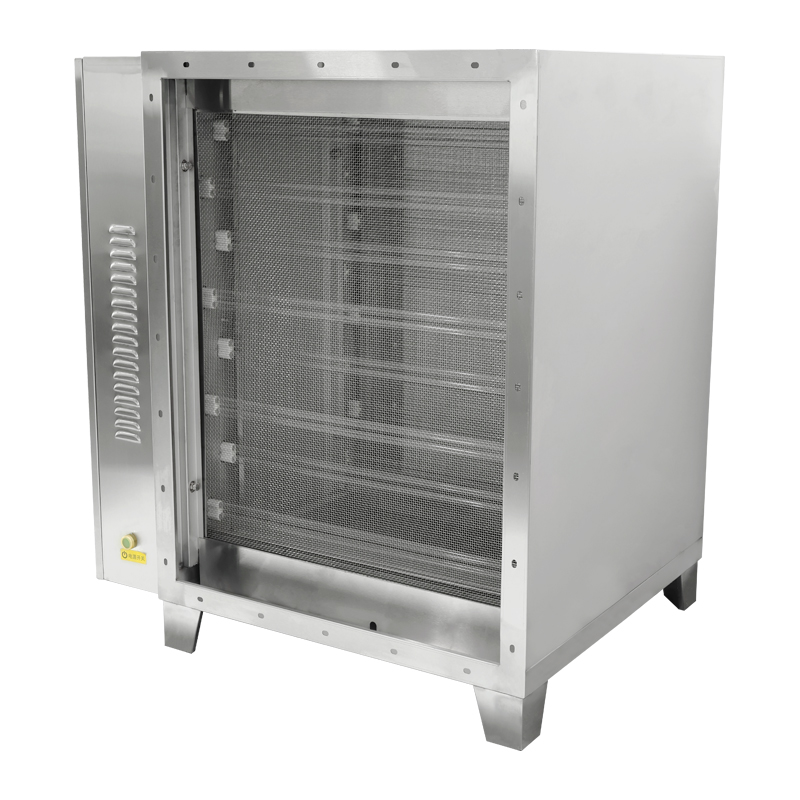 UV Deodorate Purifier
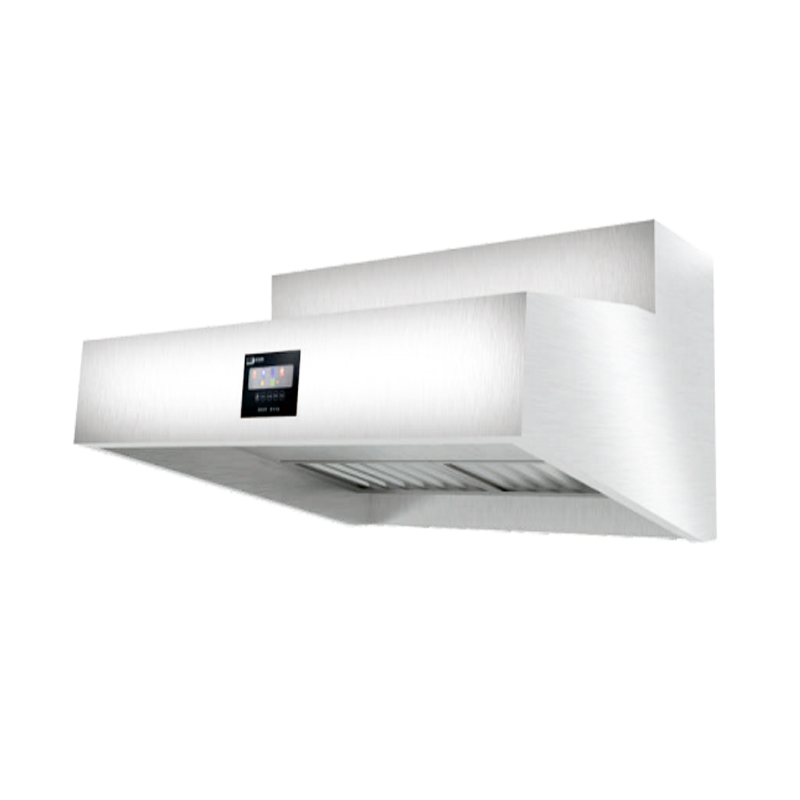 II Commercial Exhaust Hood
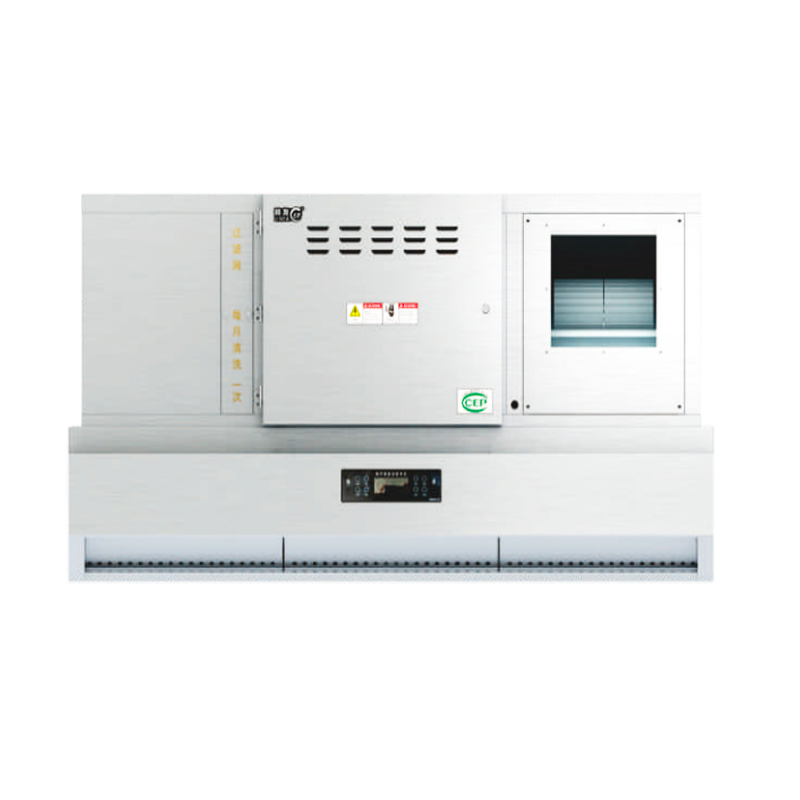 Commercial ESP Range Hood


