Home
Commercial Ventilation Equipment
Commercial Electrostatic Precipitator
Commercial Kitchen ESP Hood 
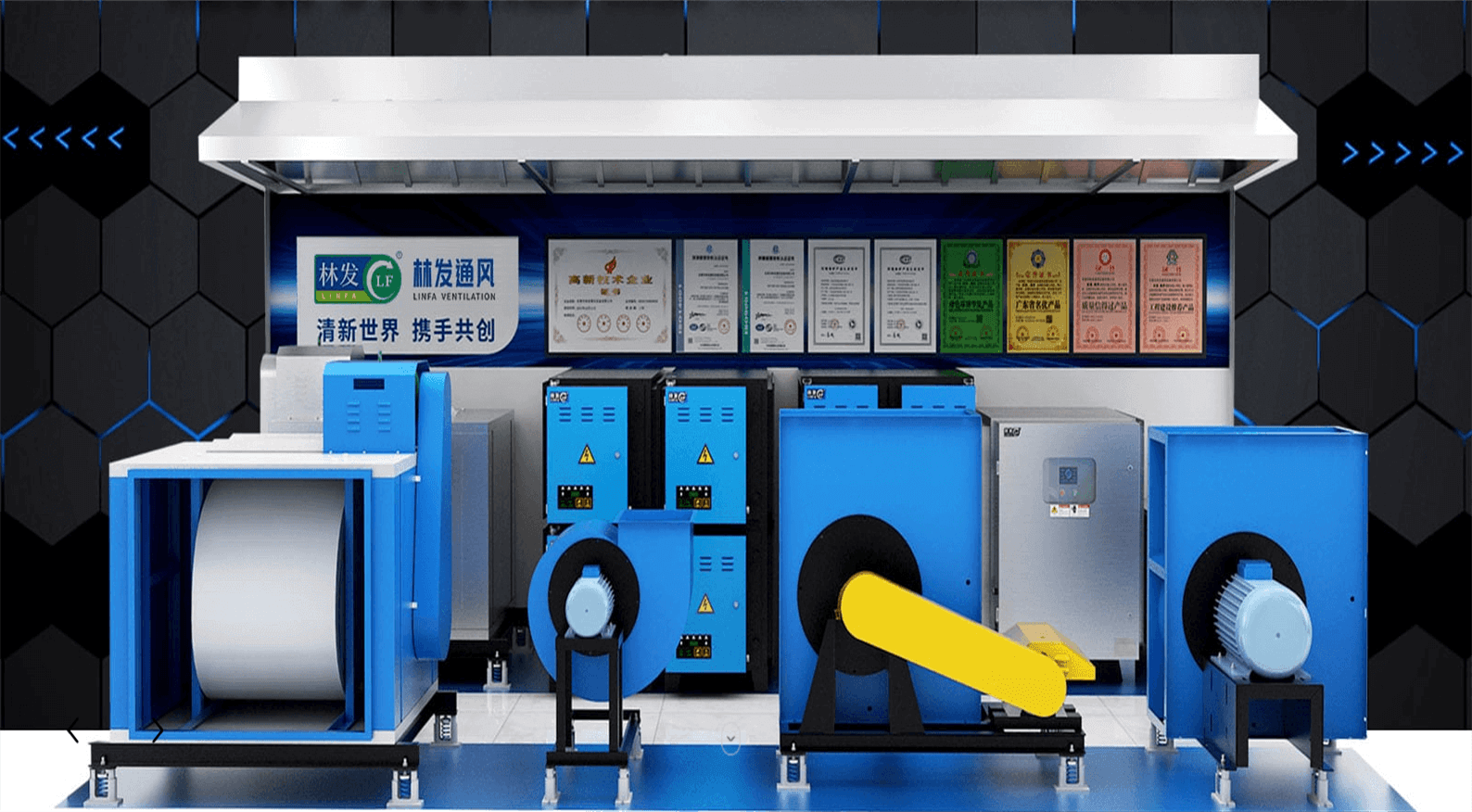
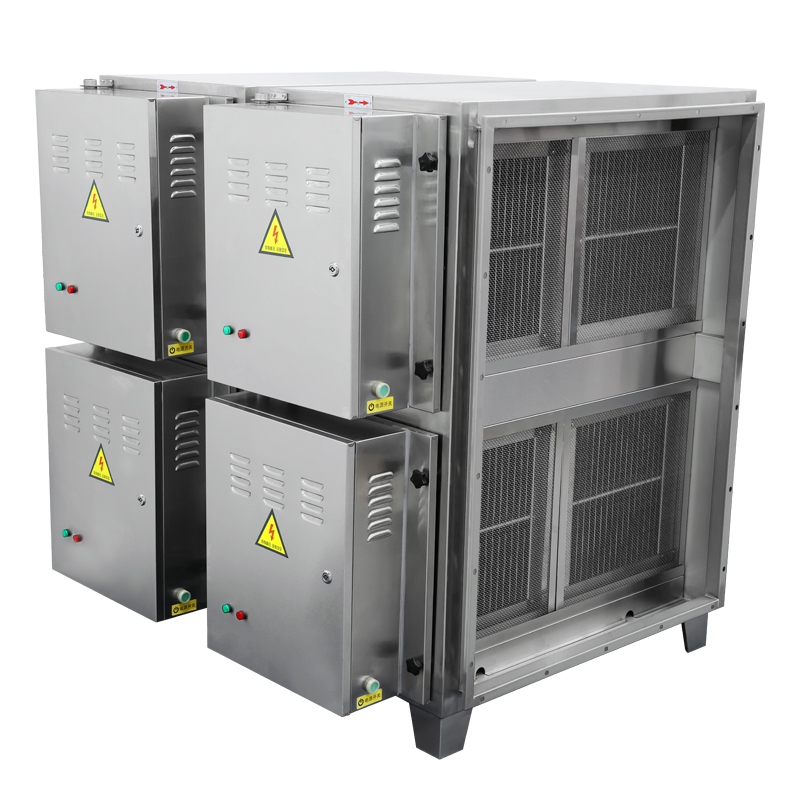
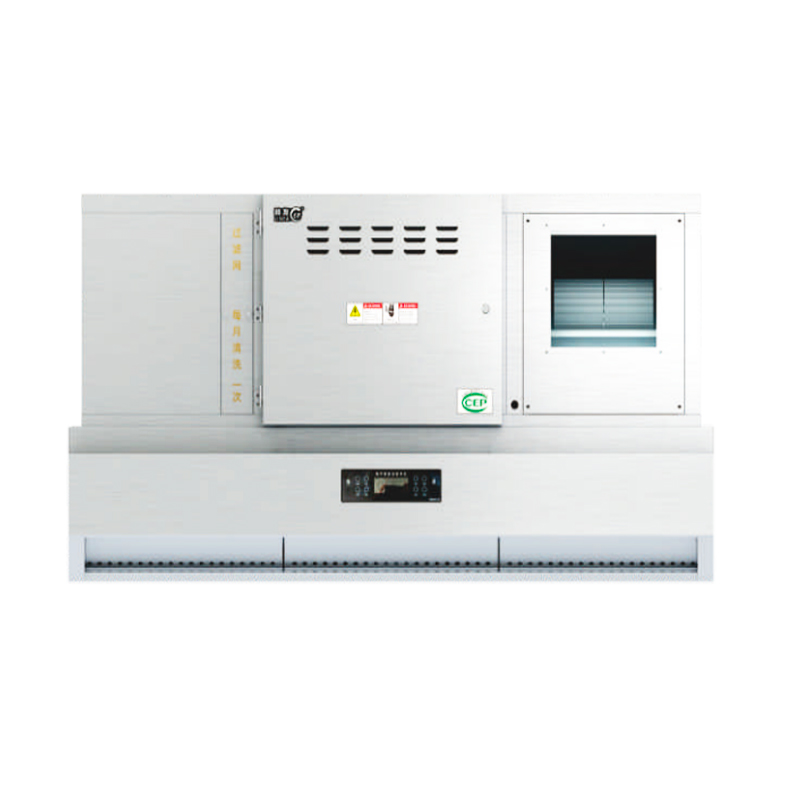
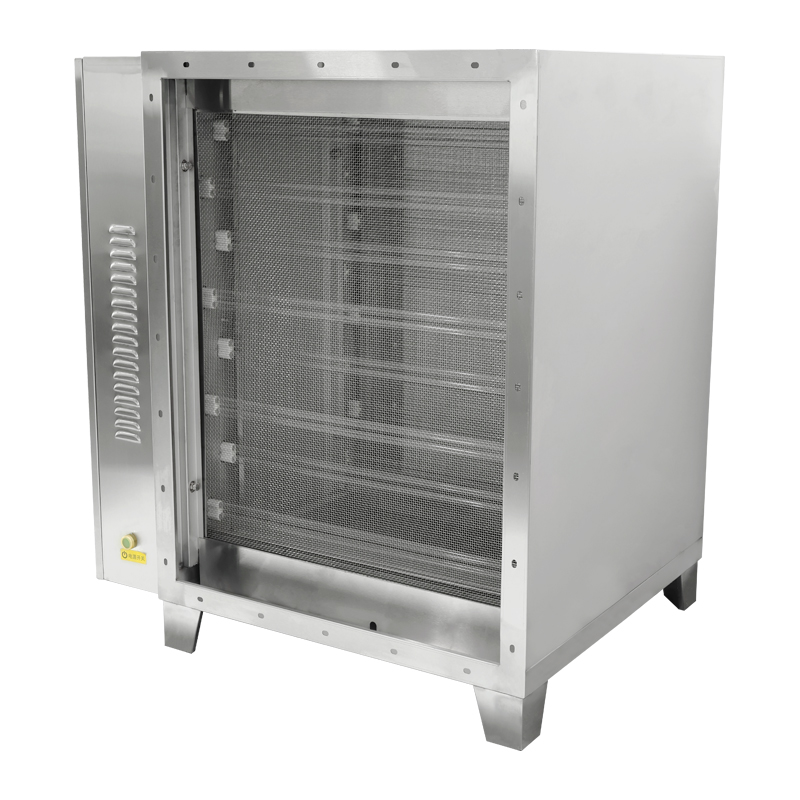
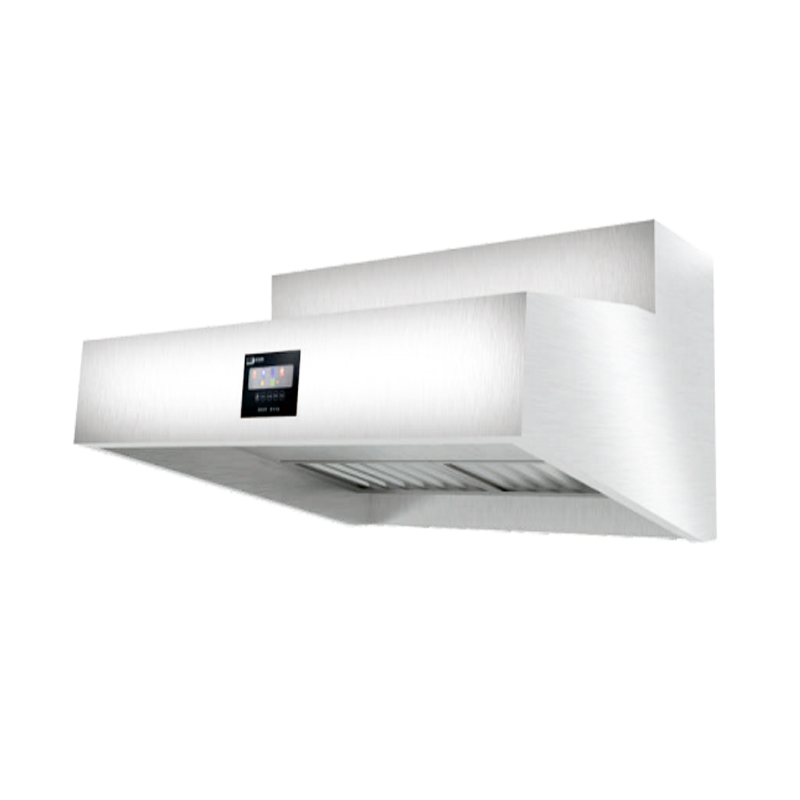
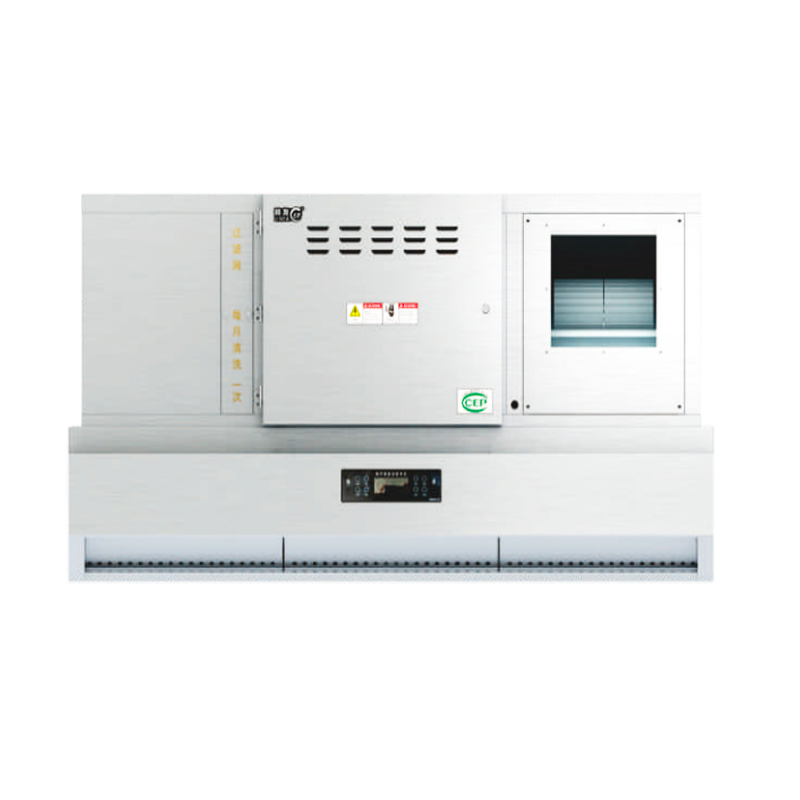
This is the product exhibition center of Ventto commercial ventilation equipment manufacturers, where you can see a full range of commercial electrostatic air purifiers, Centrifugal Blower fans, kitchen exhaust hoods, UV Deodorizers and integrated hoods with ESP filters.

Picking the right fan for your commercial kitchen? Honestly, it’s pretty important. The National Restaurant Association mentioned that about 30% of restaurant owners worry a lot about ventilation. Good airflow isn’t just about comfort for your staff and customers—it's also a big deal when it comes to food quality and safety.
Now, these commercial kitchen fans come in all sorts of styles and sizes. The key is understanding your kitchen’s layout. For example, if your ceilings are super high, you might need something with higher airflow to get the job done. Funny thing is, many folks overlook this detail, and then they end up with ventilation problems that could’ve been avoided.
Reliability is another biggie. Nothing’s worse than a fan breaking down during your busiest hours. And choosing the wrong size or type can cause all kinds of operational headaches—nobody wants that! So, it's really worth thinking through these things carefully. After all, picking out a fan isn’t just about making a purchase; it’s about making an investment in keeping your kitchen running smoothly and efficiently.
When choosing a wholesale fan for your commercial kitchen, it’s crucial to understand the different types available. Ceiling fans provide broad airflow and are suitable for large areas. However, they may not target specific zones effectively. Wall-mounted fans save floor space but can be limited in their reach.
Countertop fans offer flexibility and convenience. They can be moved easily to direct airflow where it is needed most. Installation can be a challenge, as most require mounting. Evaluating your kitchen layout will help determine what type works best for you.
Consider energy efficiency, too. Some fans consume less power and save costs in the long run. However, these models may have lower airflow output. Balancing effectiveness and electricity usage is essential. Reflect on your kitchen's needs and airflow patterns before making a decision.
Selecting the right fan for a commercial kitchen is crucial. Proper ventilation impacts air quality, safety, and energy efficiency. Based on industry reports, approximately 30% of kitchen fires result from poor ventilation. Thus, understanding the factors involved is essential.
When choosing a Fan For Commercial Kitchens, consider the airflow requirements. Different cooking methods generate varying levels of heat and grease. A high-capacity exhaust fan may be needed in kitchens with heavy frying. The fan's noise level is also significant. A loud fan can disrupt staff and customer experience. Reports suggest that noise levels over 65 decibels can affect concentration.
**Tip:** Always check the fan's cubic feet per minute (CFM) rating. This indicates how much air it can move. Install a fan that meets or exceeds the minimum CFM for your kitchen size.
Another factor is the fan’s maintenance requirements. Some models require regular cleaning, especially those in high-grease environments. Neglecting maintenance can lead to decreased efficiency and higher energy costs. According to a study, failing to maintain a fan can reduce its lifespan by up to 50%.
**Tip:** Choose a fan with easy access for cleaning. This could save time and ensure it runs efficiently for longer.
Choosing a fan for a commercial kitchen involves balancing many factors. Each kitchen is unique, and finding the right fan can enhance food safety and operational efficiency.
When selecting a wholesale fan for your commercial kitchen, material and durability are critical. Fans come in various materials such as stainless steel, plastic, and aluminum. Stainless steel offers strength and resistance to corrosion. It can withstand the moisture and heat commonly found in kitchens. However, it may come at a higher cost. Plastic fans are lightweight and more affordable, but they might not stand up to daily wear and tear.
Durability is another factor that influences your decision. Look for fans with strong motors and high-quality blades. A low-quality fan will need frequent replacement. This leads to higher long-term costs. In some cases, cheaper materials can compromise performance. If a fan breaks down in the middle of a busy service, it impacts your kitchen's efficiency.
Consider your kitchen's specific needs when evaluating options. A Commercial Kitchen Vent Fan that is suitable for one establishment may not be ideal for another. For instance, fans used in high-temperature cooking areas need to offer exceptional performance. Review user feedback and ratings for additional insights. Not all wholesale fans are created equal, and choosing the right one requires careful evaluation.
Choosing the right fan for your commercial kitchen requires careful evaluation of size and airflow. A well-placed Commercial Kitchen Hood Fan can significantly enhance ventilation and overall efficiency. According to industry reports, proper airflow can improve kitchen conditions by removing excess heat and odors. This is crucial, as poor ventilation can lead to a range of problems, including health issues and decreased worker productivity.
When selecting a fan, consider the size of your kitchen and the equipment in use. For instance, a kitchen over a grill may need a fan that provides higher cubic feet per minute (CFM). A study from the National Restaurant Association indicates that kitchens often require a fan capable of moving 25 CFM per square foot. Ignoring these guidelines can lead to inadequate ventilation, affecting safety and compliance with health codes.
Determining the right airflow also involves analyzing the layout. Airflows should circulate without obstruction. Experts suggest that a commercial kitchen should have a balance between intake and exhaust. Too much air exhausting can create negative pressure, pulling contaminants into the kitchen. Reflecting on these factors will guide you towards making an informed decision for an effective Commercial Kitchen Hood Fan.
When selecting a wholesale fan for your commercial kitchen, it’s crucial to consider energy efficiency ratings. These ratings provide a clear view of how much energy a fan consumes in relation to its performance. An efficient fan not only saves on electricity costs but also reduces your kitchen's environmental impact.
Understanding energy efficiency can be challenging. Often, fans advertise high airflow rates, but the energy used for that output can vary greatly. Look for fans that have high CFM (cubic feet per minute) ratings per watt of power. A fan that consumes less energy while delivering high airflow should be your priority.
Picking the right fan also requires examining your kitchen's specific needs. Those working long hours might require fans that are not only efficient but also durable. A fan that fails prematurely can lead to increased costs and disruptions. It’s essential to assess the maintenance requirements and lifespan of the fan to ensure reliability over time. This attention to detail can lead to better decision-making and operational efficiency.
In any commercial kitchen, proper ventilation is crucial. Choosing the right wholesale fan not only impacts air quality but also affects operational costs. Industry reports indicate that restaurants can save up to 30% on energy bills by selecting energy-efficient fans. Investing in a reliable Commercial Kitchen Exhaust Fan can lead to long-term savings.
When budgeting for wholesale fans, consider initial costs and operational expenses. The average price for a quality fan can range from $300 to $1,200. A cheaper option might seem appealing, but it could lead to higher maintenance costs. Fans that consume more power lead to increased electricity bills.
*Tip: Prioritize energy efficiency in your fan choices. Look for models with high CFM (cubic feet per minute) ratings to ensure optimal performance.*
Reflect on your kitchen size and layout as well. A fan that’s too small may not ventilate effectively, while a fan that's too large can waste energy. Balancing adequate airflow with cost efficiency is essential.
*Tip: Conduct a simple air flow test to determine the right fan size. This can help avoid costly mistakes.*
Reliable resources suggest consulting with HVAC professionals to analyze your specific needs. Their expertise can guide you toward the most suitable solution, ensuring that your investment brings lasting benefits.
Selecting the right wholesale fan for your commercial kitchen requires careful consideration of your supplier's reputation. It’s crucial to source from companies that have established credibility in the industry. According to a recent report from Foodservice Equipment Reports, 73% of kitchen managers prioritize supplier reliability over price. This speaks volumes about the importance of trust in the purchasing process.
When evaluating potential suppliers, look for customer reviews and ratings. Trustpilot and similar platforms often provide insights into their history and service quality. A supplier with a consistent track record typically indicates reliability. Verify their experience too. Suppliers with five years or more in the industry are generally more reliable, as they have faced various market challenges.
Tips: Ask for references from previous clients. Inquire about the fan’s performance and durability. A sound fan should withstand continuous operation without frequent breakdowns. Additionally, consider requesting samples to evaluate quality firsthand. While price may vary, prioritizing quality and supplier reputation will pay off in the long run. Remember, sometimes the lowest price could imply hidden costs down the road, such as repairs or replacements. Be cautious of deals that seem too good to be true.
| Feature | Description | Importance Level |
|---|---|---|
| Fan Type | Choose between exhaust fans, ceiling fans, or portable options | High |
| Energy Efficiency | Look for fans that consume less energy | High |
| Noise Level | Consider fans with lower decibel ratings for a quieter kitchen | Medium |
| Durability | Ensure materials are resilient and can withstand kitchen environments | High |
| Supplier Reputation | Research reviews and ratings of the wholesale supplier | Critical |
| Warranty and Support | Check for warranty length and customer support options | Medium |
| Price Range | Evaluate pricing in relation to features and quality | High |
: Proper ventilation improves air quality, enhances safety, and boosts energy efficiency. It reduces fire risks too.
Evaluate the cooking methods used. High-capacity fans are needed for greasy, high-heat cooking.
Loud fans can disrupt staff and customers. Noise over 65 decibels can hinder concentration.
CFM shows how much air a fan moves. Choose a fan that meets or exceeds your kitchen’s CFM needs.
Regular cleaning is crucial. Neglecting maintenance can cut a fan's lifespan by up to 50%.
Larger kitchens or those with grills need fans with higher CFM ratings for effective ventilation.
Efficient fans lower electricity costs and reduce environmental impact. Look for high CFM ratings per watt.
Poor balance can create negative pressure, pulling contaminants into the kitchen.
Durable fans minimize disruptions and costs. A failing fan can impact kitchen efficiency significantly.
Reflect on your kitchen's unique needs. Each choice can enhance safety, efficiency, or lead to issues.
When selecting a fan for commercial kitchen use, understanding the different types available is crucial. Factors such as material durability, size, and airflow capacity play significant roles in maintaining kitchen efficiency. Evaluating energy efficiency ratings can help operators not only reduce costs but also enhance sustainability practices within their establishments. Additionally, budgeting appropriately and considering the reputation of suppliers will ensure that you make a well-informed purchase that meets the specific needs of your kitchen environment.
In conclusion, a thorough analysis of these factors will assist in choosing the right fan for commercial kitchen settings, ultimately contributing to a more productive and comfortable workspace. Prioritizing quality and reliability in your selection process will lead to better performance and longevity of the equipment, which is essential for the demanding environment of food preparation and service.