In today's world, which seems to be getting more and more industrialized every day, having good ventilation is more important than ever—especially in places where heat, dust, and those pesky harmful particles can really mess with productivity and safety. I’ve come across a market report by Research and Markets that says the market for Centrifugal Cabinet Fans is expected to grow a lot in the coming years. This surge is mainly because industries like manufacturing, pharma, and data centers are really pushing for better ventilation systems. Industry expert Dr. David Reynolds even points out that choosing the right Centrifugal Cabinet Fan isn’t just about moving air – it can actually help save a good chunk on energy bills in the long run.
Figuring out what exactly you need these fans for is pretty important before making a decision. There are so many options out there—single or multi-speed models, different sizes, configurations—you name it. Picking the right fan can really make a difference in how smoothly your operations run. So, I wanted to put together a sort of beginner’s guide to help you figure out what kind of ventilation setup you need, making sure you get a fan that suits your specific environment perfectly.

Factors to Consider When Selecting a Centrifugal Cabinet Fan for Optimal Airflow Efficiency
When selecting a centrifugal cabinet fan for optimal airflow efficiency, several critical factors come into play. Firstly, the fan's size and airflow capacity are paramount. It's essential to match the fan's specifications with the volume of air that needs to be moved within the designated space. An under-sized fan may struggle to achieve the desired flow, while an over-sized one could lead to excessive energy consumption and noise, disrupting the environment.
Additionally, consider the fan's static pressure capabilities. The system where the fan will be installed may present varying levels of resistance to airflow due to ductwork or filters. Therefore, it's vital to choose a fan that can overcome this resistance while maintaining efficient operation. Lastly, look at the materials and noise levels of the fan. Selecting durable materials ensures longevity, while quieter fans will contribute to a more comfortable atmosphere. Balancing these factors will ensure that the chosen centrifugal cabinet fan meets your ventilation needs effectively.
How to Choose the Right Centrifugal Cabinet Fan for Your Ventilation Needs
| Factor | Description | Importance Level (1-5) |
| Airflow Volume | Evaluate the amount of air that needs to be moved based on your space requirements. | 5 |
| Static Pressure | Understand the resistance in the ductwork which affects fan performance. | 4 |
| Noise Level | Consider the sound output of the fan to ensure a comfortable environment. | 3 |
| Energy Efficiency | Choose a fan that minimizes energy consumption for cost savings. | 5 |
| Physical Size | Ensure the fan fits your installation space and meets design constraints. | 4 |
| Durability | Select materials that withstand environmental conditions for longevity. | 4 |
| Ease of Maintenance | Consider how easy it is to clean and service the fan. | 3 |
Understanding the Importance of CFM (Cubic Feet per Minute) in Fan Selection
When selecting a centrifugal cabinet fan, understanding the relevance of CFM (Cubic Feet per Minute) is crucial for optimizing ventilation. CFM measures the volume of air that a fan can move in one minute and is a key factor in determining how effectively a fan can ventilate a space. For instance, in environments like Arizona, where the summer heat can be extreme, choosing a fan with the right CFM rating ensures that air circulation is sufficient to maintain a comfortable temperature and eliminate moisture.
In addition to considering CFM, it's essential to account for the specific room size and ventilation requirements. A fan that circulates air effectively in one type of room may not perform the same in another with different dimensions or humidity levels. Prioritizing the right CFM will not only enhance air quality but also help in reducing odors and improving overall comfort. This understanding can lead to more effective installations, ultimately making a significant difference in summertime cooling and indoor air quality.

Why Sizing Matters: How to Calculate the Right Fan Size for Your Space
When it comes to choosing a centrifugal cabinet fan, proper sizing is critical to ensure optimal ventilation for your space. An oversize fan can lead to excessive noise and energy costs, while an undersized fan won't provide adequate airflow, compromising air quality. To calculate the right fan size, start by measuring the volume of the area you wish to ventilate. Multiply the length, width, and height of the space to obtain its cubic footage. Once you have this measurement, consider the desired airflow rate, typically expressed in cubic feet per minute (CFM). This value will guide you in selecting a fan that meets your airflow requirements.
Tips: Take into account the specific use of the space, such as whether it will contain dust, fumes, or moisture. This can affect the type of material and fan design you require. Additionally, consider the fan’s static pressure ratings to ensure it can overcome any resistance from ductwork or filters.
Finally, don't forget to evaluate the fan's noise level, which is typically measured in sones. For residential applications, a quieter fan with a lower sone rating might be preferred, while industrial settings may tolerate higher noise levels for improved performance. Balancing these factors will lead to a more effective and efficient ventilation system tailored to your needs.
Noise Levels: Balancing Performance and Quiet Operation in Cabinet Fans
When selecting a centrifugal cabinet fan, one of the crucial considerations is noise levels. In spaces where ventilation is essential, such as commercial kitchens or laboratories, maintaining a quiet environment is as important as ensuring effective airflow. FAN technology has advanced significantly, allowing manufacturers to produce models that minimize sound while maximizing performance. Understanding the decibel ratings of different fans can help you make a more informed decision, as quieter fans often employ innovative designs to reduce turbulence, which directly contributes to lower noise levels.
Balancing performance and quiet operation requires a careful analysis of the fan's specifications. Look for features such as variable speed control, which allows you to adjust the airflow according to your needs, thereby reducing noise when full power isn't necessary. Additionally, consider the construction material and design of the fan. Fans with insulated housings or those engineered specifically for noise reduction can provide an excellent blend of efficient ventilation and quiet operation. By prioritizing these factors, you can create a comfortable environment without compromising on air quality or efficiency.
Noise Levels of Centrifugal Cabinet Fans
Durability and Maintenance: Choosing Fans with Long Lifespan and Easy Upkeep
When selecting a centrifugal cabinet fan for ventilation, considering durability and maintenance is crucial for ensuring long-term performance. Fans made from high-quality materials, such as corrosion-resistant metals or durable plastics, can significantly extend their lifespan. Look for fans that are designed for heavy-duty applications, as they are often built to withstand more rigorous conditions, such as exposure to moisture and fluctuating temperatures. Additionally, a fan with a sturdy construction will not only last longer but will also operate more efficiently, reducing energy consumption.
Maintenance is another vital aspect to consider when choosing a centrifugal fan. Opt for models that allow easy access to components for cleaning and servicing. Features like removable filters and accessible bearings can make routine maintenance straightforward and less time-consuming. Furthermore, some fans come with self-lubricating bearings or sealed motors that require minimal upkeep. By prioritizing these characteristics, you can ensure that your ventilation system remains functional and efficient over time, minimizing unexpected downtimes and repair costs.
Energy Efficiency Ratings: How to Evaluate and Reduce Operating Costs in Ventilation Systems
When selecting the right centrifugal cabinet fan for your ventilation needs, energy efficiency ratings should be a top priority. Understanding how these ratings work is essential for evaluating potential operational costs. By choosing fans that are designed with energy efficiency in mind, you not only contribute to better indoor air quality but also ensure that your overall energy consumption is minimized, leading to reduced operational expenses in the long run.

Recent innovations in the construction sector highlight the increasing importance of sustainability, particularly in environments where ventilation plays a crucial role. For instance, employing advanced technologies such as heat pump energy recovery systems can effectively enhance energy efficiency in ventilation setups. By optimizing air conditioning and ventilation strategies, facilities can achieve significant cost savings while maintaining a clean and comfortable atmosphere. Additionally, companies are increasingly adopting smart monitoring systems to manage energy usage efficiently, further supporting the dual goals of sustainability and cost reduction.
Optimal Performance and Energy Efficiency of Backward Curved Industrial Cabinet Centrifugal Fan VT-HQ-II-800 (30”) in Industrial Applications
The VT-HQ-II-800 (30”) centrifugal fan is engineered for optimal performance and energy efficiency, making it the ideal solution for industrial applications that require effective air extraction. With its backward-inclined impeller design, this fan harnesses centrifugal force to efficiently channel kitchen fumes and various gaseous pollutants. Capable of transporting between 12,500 m³ to 44,500 m³ of air per hour, it serves as a robust venting system for environments such as hotels, stadiums, theaters, auditoriums, and restaurants.
This model not only prioritizes high efficiency but also meets international standards with ISO/CEP certification, assuring users of its quality and reliability. Additionally, the VT-HQ-II-800 offers customized OEM and ODM services, allowing businesses to tailor the fan to their specific needs. This adaptability, combined with its powerful extraction capabilities, makes it an invaluable asset for any establishment looking to maintain a safe and comfortable atmosphere by managing indoor air quality effectively.
FAQS
: Key factors include the fan's size and airflow capacity, static pressure capabilities, materials, and noise levels. It's important to match the fan's specifications with the air volume needed and choose a fan that can navigate system resistance while maintaining efficiency.
The size and airflow capacity ensure that the fan can effectively move the required volume of air within the space. An under-sized fan may fail to provide adequate airflow, while an over-sized fan can lead to excessive energy use and noise.
Static pressure capability refers to a fan’s ability to overcome resistance in the airflow system, such as ductwork or filters. It is essential to select a fan that can handle the specific resistance levels of the installation site.
CFM measures the volume of air a fan can move in one minute and is crucial for ensuring effective ventilation, especially in environments with specific temperature and humidity needs.
Different room sizes and humidity levels can affect a fan's performance. Choosing the right CFM based on these conditions helps improve air quality and comfort.
Quieter fans contribute to a more comfortable atmosphere by reducing noise pollution, making the environment more pleasant while ensuring effective airflow.
Durable materials enhance the longevity of the fan, reducing the need for repairs or replacements and ensuring reliable performance over time.
By ensuring sufficient air circulation, choosing the appropriate CFM helps reduce odors, eliminate moisture, and improves overall comfort within the space.
Conclusion
When selecting a Centrifugal Cabinet Fan for your ventilation needs, several critical factors must be considered to ensure optimal airflow efficiency. Key considerations include understanding CFM (Cubic Feet per Minute) for appropriate airflow capacity, accurately sizing the fan to match your space requirements, and balancing noise levels to maintain a quiet operating environment. Additionally, durability and ease of maintenance are essential for ensuring a long lifespan, while energy efficiency ratings help evaluate and minimize operating costs in your ventilation system.
At Dongguan Linfa Ventilation Equipment Co., Ltd., we emphasize the importance of these factors, drawing on our extensive experience since 2000 in manufacturing commercial and industrial ventilation equipment. By carefully assessing each aspect of your Centrifugal Cabinet Fan selection, you can achieve a reliable and efficient ventilation system tailored to your specific needs.

 Home
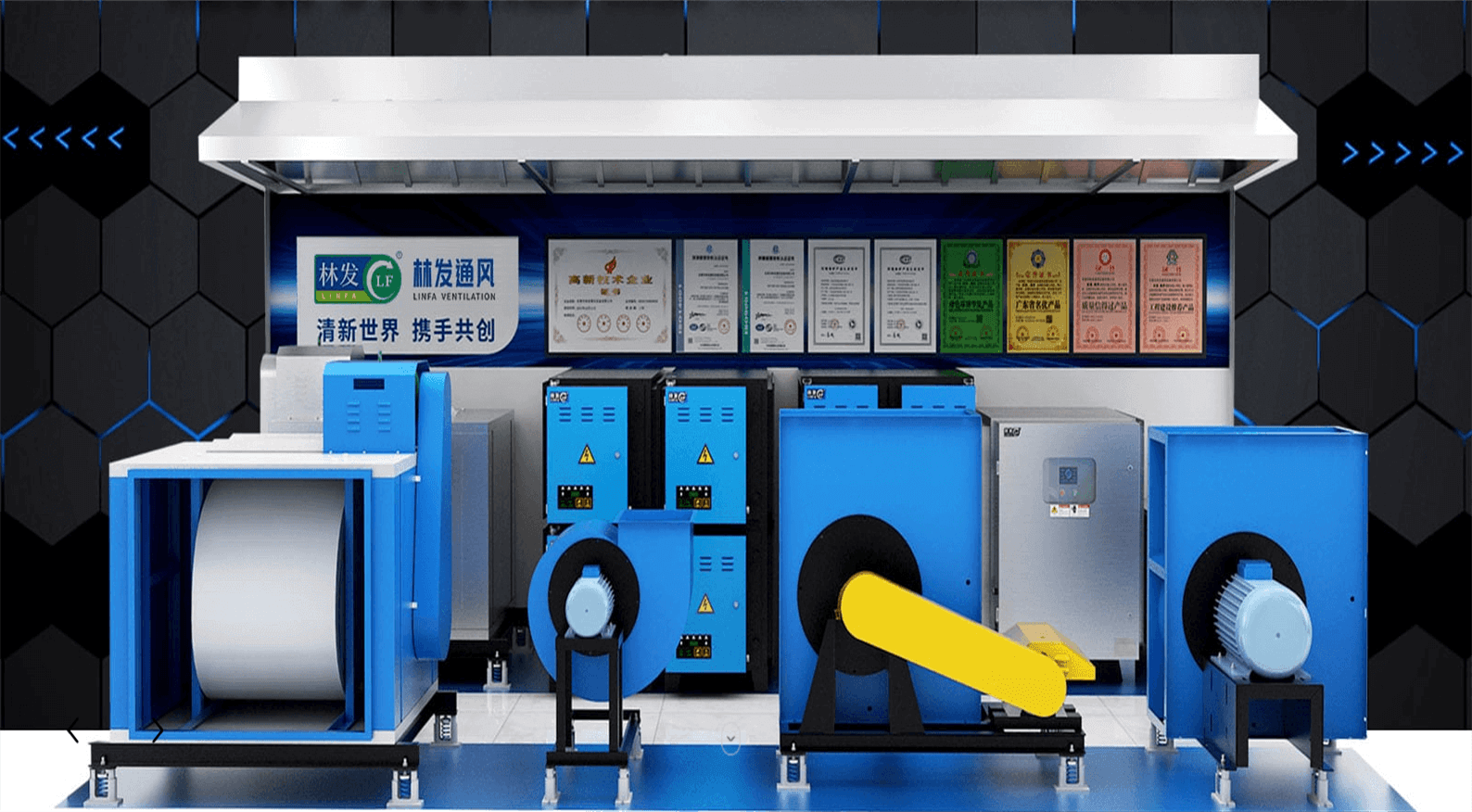 Commercial Ventilation Equipment
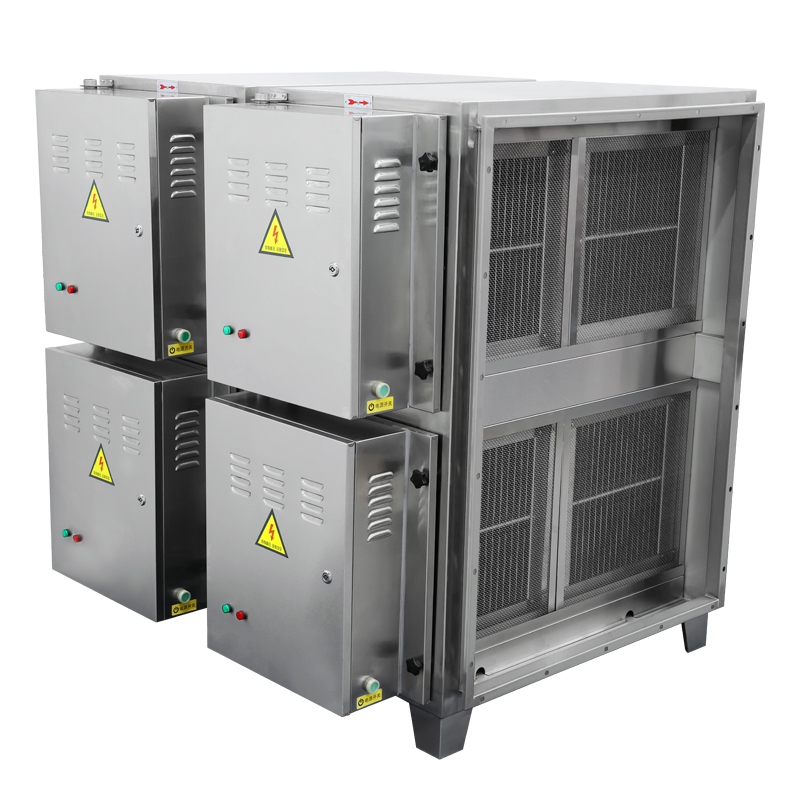 Commercial Electrostatic Precipitator
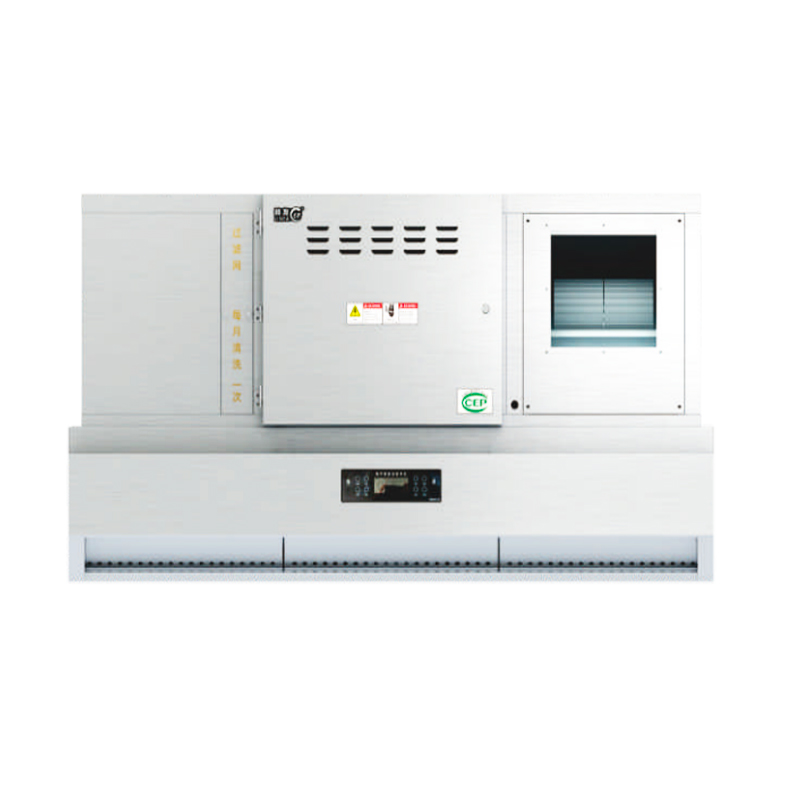 Commercial Kitchen ESP Hood
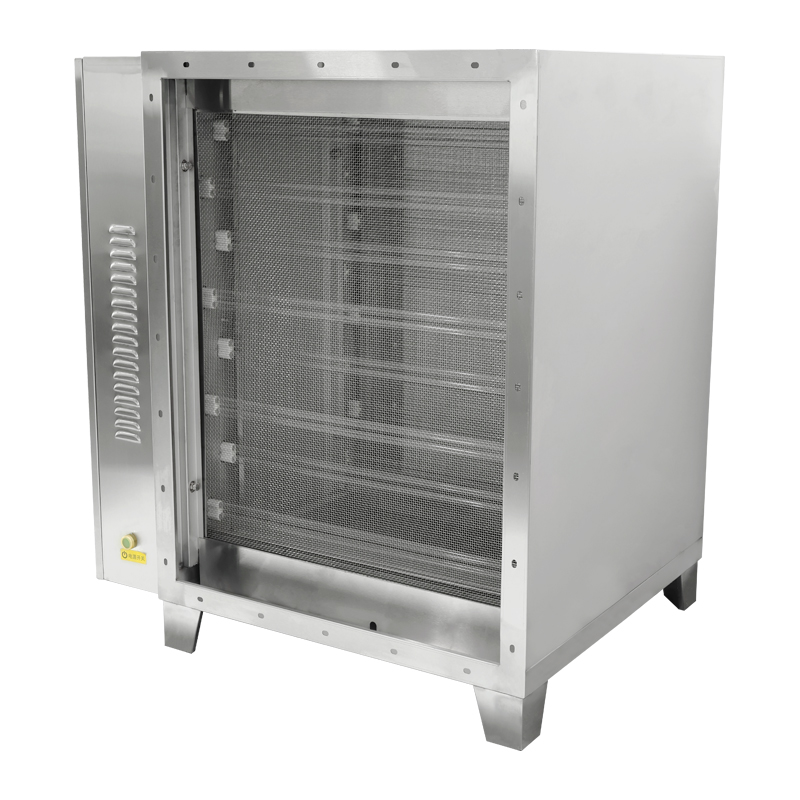 UV Deodorate Purifier
 II Commercial Exhaust Hood
 Commercial ESP Range Hood


