When you're running a busy restaurant or a commercial kitchen, there’s one piece of equipment that often doesn’t get enough attention — the Commercial Kitchen Exhaust Hood. Believe it or not, this thing is a real game-changer. It’s not just about keeping the air clean; it helps make your workspace safer and more comfortable for everyone. Plus, with rules and customer expectations around cleanliness constantly tightening, picking the right exhaust hood is more important than ever.
In our 2025 Top Commercial Kitchen Exhaust Hood Buying Guide, we’ll walk you through the key things you should consider before making a purchase. We’re talking about airflow performance, noise levels, ease of maintenance, and how well it complies with regulations. Get these right, and you won’t just be ticking boxes—you’ll be making a smart investment that grows with your kitchen and adapts to whatever’s coming next. Whether you’re a seasoned pro or just starting out in the food biz, this guide is here to help you find the perfect exhaust hood for your space, so your kitchen runs smoothly and safely.

Understanding Commercial Kitchen Exhaust Hoods: An Overview
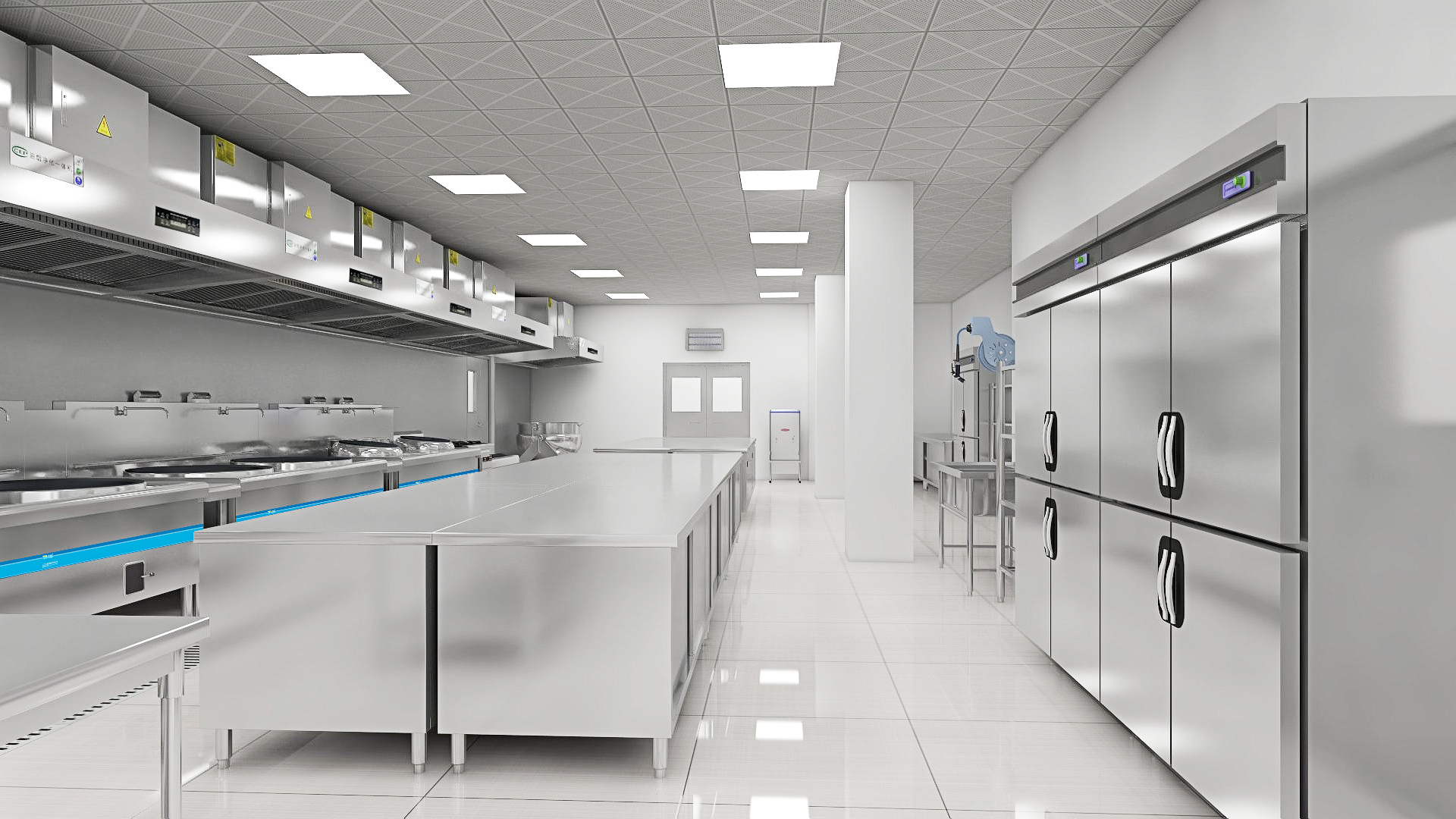
Commercial Kitchen Exhaust Hoods play a crucial role in maintaining a safe and efficient cooking environment. These systems are designed to remove heat, smoke, grease, and odors generated during food preparation. According to the National Fire Protection Association, cooking equipment is involved in 49% of reported home structure fires, highlighting the importance of effective kitchen ventilation in preventing fire hazards. A well-functioning exhaust hood can significantly reduce this risk, making it a vital investment for any foodservice operation.
In addition to safety, exhaust hoods also contribute to the overall efficiency of kitchen operations. The Foodservice Equipment Reports indicate that an adequate exhaust system can enhance the performance of cooking appliances, allowing for better air quality and temperature control. Effective ventilation leads to a more comfortable working environment, which can increase employee productivity and reduce burnout. When selecting the right exhaust hood, it's essential to consider factors such as CFM ratings and efficiency to ensure compliance with safety standards while optimizing kitchen performance.
Key Types of Commercial Kitchen Exhaust Hoods Explained
When selecting the right commercial kitchen exhaust hood, understanding the key types available is crucial for ensuring safety and efficiency in your kitchen. The most common types include canopy hoods, wall-mounted hoods, island hoods, and under-cabinet hoods. Canopy hoods, often used over cooking appliances, are designed to capture smoke and grease effectively. According to industry reports, approximately 67% of commercial kitchens favor canopy hoods due to their high performance in eliminating airborne contaminants.
Another popular choice is the island hood, which can be installed above cooking stations away from walls, providing a stylish focal point while maintaining functionality. As reported by the National Fire Protection Association, proper exhaust systems, such as island hoods, play a vital role in reducing fire hazards in commercial kitchens, as they help remove grease-laden vapors and improve overall air quality. Meanwhile, wall-mounted hoods are ideal for kitchens with limited space, ensuring that ventilation is both effective and efficient. Understanding these different types of exhaust hoods allows kitchen operators to make informed decisions that comply with health and safety regulations while enhancing operational performance.
Factors to Consider When Buying an Exhaust Hood
When purchasing a commercial kitchen exhaust hood, several critical factors must be taken into account to ensure optimal performance and safety. First and foremost, the size and type of the hood should match the cooking equipment and the kitchen layout. Moreover, understanding local building codes and ventilation requirements is essential to ensure compliance and prevent potential fines.
One important tip is to consider the hood's airflow capacity, which is typically measured in cubic feet per minute (CFM). This metric determines how efficiently the hood will remove smoke, grease, and odors from the kitchen. A general guideline is to aim for 100 CFM for every linear foot of cooking equipment. Additionally, think about the material of the hood; stainless steel is highly recommended for its durability and ease of cleaning.
Another crucial aspect is the type of filters used in the exhaust system. Baffle filters are often a good choice for commercial kitchens as they can effectively trap grease and particles, reducing fire hazards. Regular maintenance is vital to keep the hood functioning properly, so consider a model that allows easy access for cleaning and filter replacement to ensure long-term efficiency.
Essential Features for Efficient Kitchen Exhaust Hoods
When selecting an efficient kitchen exhaust hood, several essential features should be considered to ensure optimal performance. Firstly, the airflow capacity of the hood is crucial; it should effectively capture and remove smoke, steam, and odors from the kitchen. A well-designed exhaust system will have adequate CFM (cubic feet per minute) ratings tailored to the specific needs of your kitchen, ensuring that the environment remains safe and comfortable. Fire suppression systems and grease filters are also important, as they not only enhance safety but also minimize the risk of fire hazards.
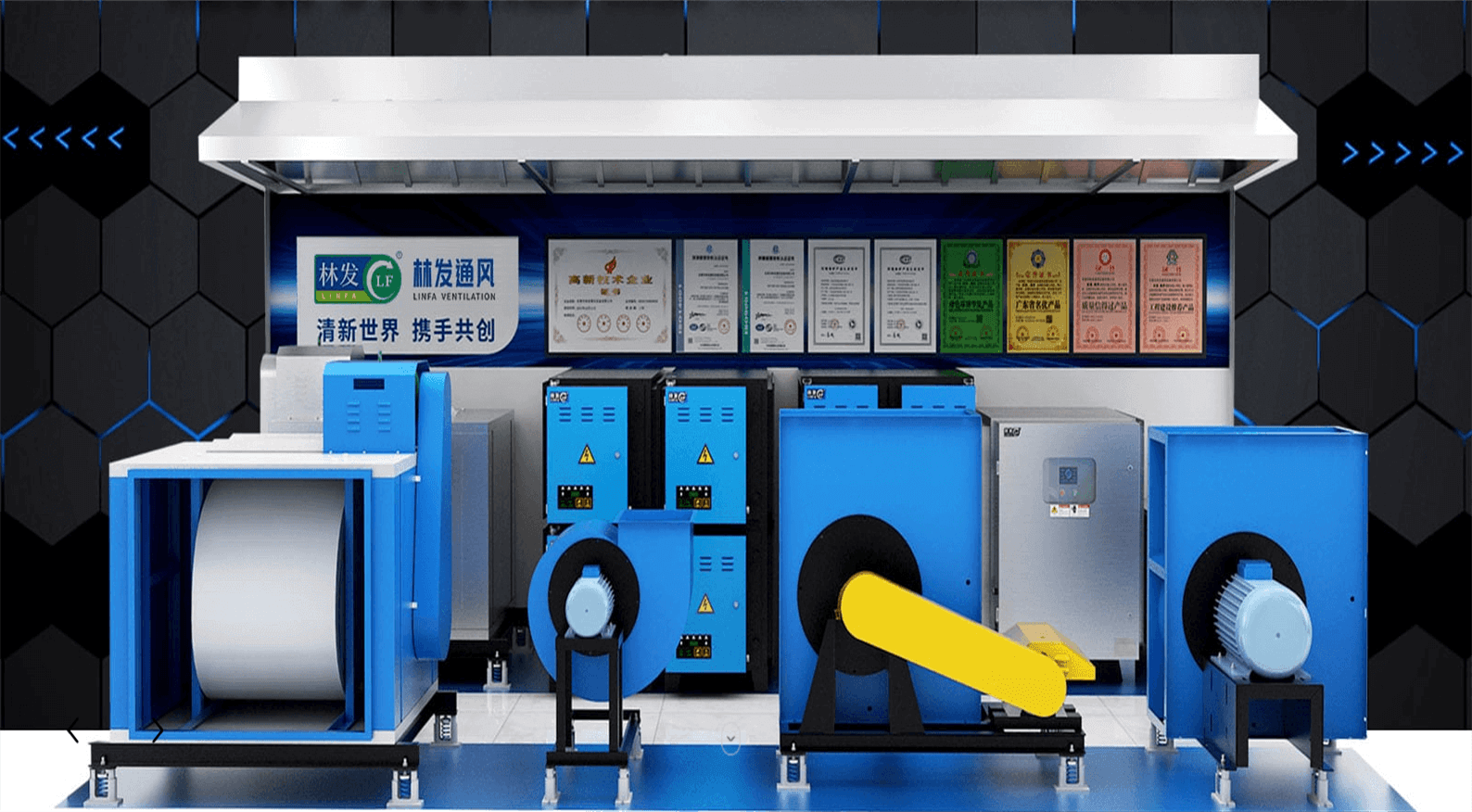
Another vital feature is the hood's material and construction quality. Stainless steel is commonly preferred due to its durability and ease of cleaning, which is essential in maintaining hygiene in a commercial kitchen. Noise levels should also be considered; quieter models contribute to a more pleasant work environment, allowing kitchen staff to communicate effectively without unnecessary disruption. At Dongguan Linfa Ventilation Equipment Co., Ltd., operating under the brand Ventto since 2000, we are committed to providing top-notch ventilation solutions that encompass these essential features while meeting the specific requirements of commercial and industrial kitchens.
Common Installation Requirements and Best Practices
When installing a commercial kitchen exhaust hood, adhering to common installation requirements is crucial to ensure safety and compliance with local codes. First and foremost, the hood must be positioned correctly above cooking appliances to capture heat, smoke, and grease efficiently. Standard guidelines suggest that the bottom of the hood should be at least 24 inches above cooking surfaces, but this distance may vary based on the type of equipment and local regulations. It’s vital to consult with local health departments and fire marshals to ensure all necessary permits and standards are met.
Best practices in installation not only focus on physical placement but also on ensuring proper ventilation and ductwork. Installing ductwork with an appropriate diameter can facilitate optimal airflow, reducing the risk of grease buildup and fire hazards. Additionally, integrating fire suppression systems can significantly enhance safety. Regular maintenance and cleaning of both the hood and duct systems are essential to maintain performance and compliance. Properly following these installation requirements and best practices will enhance the longevity and efficiency of your commercial kitchen exhaust hood while ensuring a safe cooking environment.
2025 Top Commercial Kitchen Exhaust Hood Features Comparison
This bar chart compares various features of three different commercial kitchen exhaust hoods with respect to airflow capacity, noise level, energy efficiency, material quality, and maintenance ease. The values shown represent the performance or rating in each category.
Maintenance Tips for Longevity of Exhaust Hoods
Proper maintenance of commercial kitchen exhaust hoods is crucial for ensuring their longevity and operational efficiency. According to the National Fire Protection Association (NFPA), regular cleaning and maintenance can reduce the risk of kitchen fires by up to 80%. Exhaust hoods, which are essential for removing heat, smoke, and grease, require a dedicated maintenance schedule to prevent buildup and ensure that they function safely.
One important tip for maintenance is to perform regular inspections and cleanings every 1-3 months, depending on the volume of cooking. The NFPA recommends that kitchens with heavy grease loads, such as those using fryers and charbroilers, should clean their exhaust systems more frequently. Additionally, always replace any damaged components like filters or ducts promptly to maintain optimal airflow.
Another critical aspect is to ensure that the exhaust hood system is integrated with fire suppression systems. According to a report from the Food Safety and Inspection Service, systems that are not properly maintained can significantly hinder safety measures in the event of a fire. It’s vital to schedule professional inspections annually to comply with local regulations and keep your kitchen running safely and efficiently.
Regulatory Standards and Compliance for Exhaust Systems
In today's fast-paced commercial kitchen environment, adherence to regulatory standards is crucial for the effective operation of exhaust systems. As outlined in the upcoming 2025 emissions regulations, commercial kitchens must navigate complex compliance requirements to ensure their exhaust hoods meet industry guidelines. The global market for automotive exhaust sensors, valued at $2.09 billion in 2024 and projected to grow significantly, reflects a broader trend of increasing scrutiny on emissions across various sectors, including food service. Compliance not only helps in reducing environmental impact but also minimizes the risk of operational interruptions due to regulatory penalties.
Industry standards such as Euro 6 and the upcoming EPA regulations emphasize the importance of efficient exhaust solutions. For instance, the latest noise reduction measures in Europe will influence the design of exhaust systems, promoting quieter operations without compromising efficiency. Ventto, a leading manufacturer in commercial and industrial ventilation equipment, focuses on designing exhaust hoods that not only meet these regulatory standards but also enhance kitchen air quality. By integrating innovative technology and stringent compliance strategies, operators can ensure their kitchens are both environmentally friendly and conducive to a safe working atmosphere.
2025 Top Commercial Kitchen Exhaust Hood Buying Guide and Essential Tips - Regulatory Standards and Compliance for Exhaust Systems
| Feature | Description | Regulatory Compliance | Maintenance Tips |
| Type | Canopy, Wall-Mounted, or Under-Cabinet | ANSI/ASHRAE Standard 154 | Regular cleaning and inspection every 3 months |
| Size | Varies based on kitchen layout and equipment | NFPA 96 Code | Check filters for obstructions monthly |
| Material | Stainless steel for durability and corrosion resistance | Local Health Department Regulations | Inspect for rust or damage bi-annually |
| Ventilation Rate | Measured in CFM; depends on cooking methods | IMC Section 507.2 | Ensure optimal airflow, clean ducts as needed |
| Grease Filters | Essential for trapping grease and maintaining air quality | NFPA 96 & ASHRAE 62.1 | Clean or replace filters monthly for efficiency |
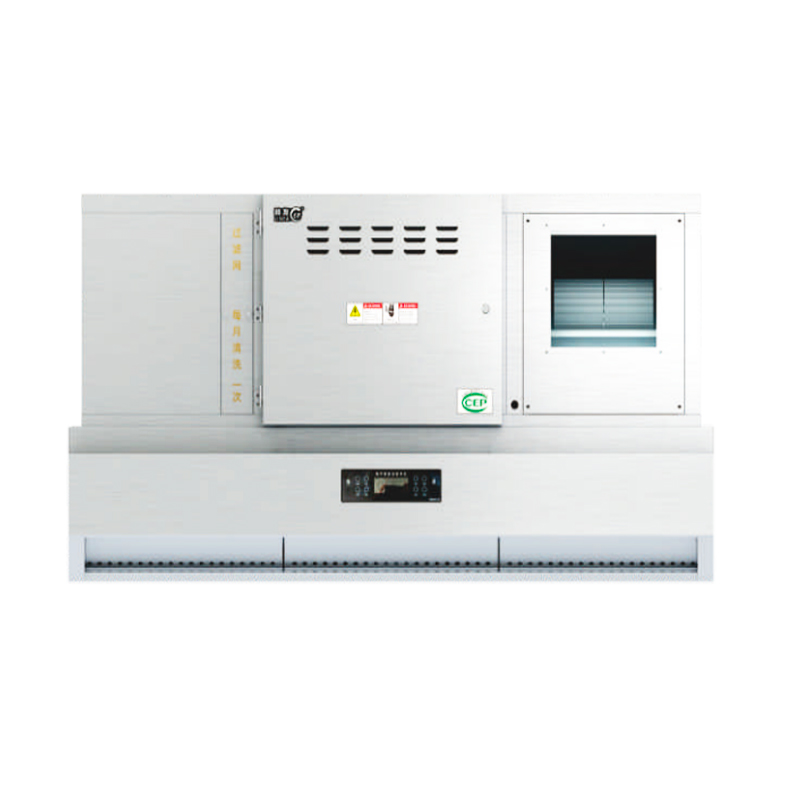
Enhancing Kitchen Safety and Efficiency with the Commercial Kitchen Range Hood VT-CYZ-2000-G Featuring an ESP Filter
In today’s fast-paced culinary environments, ensuring a safe and efficient kitchen is paramount. The Commercial Kitchen Range Hood VT-CYZ-2000-G stands out with its advanced features designed to enhance safety while maximizing kitchen performance. This integrated solution combines an exhaust hood, air purifier, UV deodorizer, and exhaust fan, making it a versatile choice for compact or modern commercial kitchens.
The VT-CYZ-2000-G is not only built to accommodate various kitchen layouts but also equipped with cutting-edge technology for optimal air quality management. Certified by ECM, ISO, and CEP, it adheres to stringent safety and efficiency standards, ensuring users can cook with peace of mind. Additionally, the option for customized OEM and ODM services enables tailored solutions to fit specific kitchen needs, offering businesses the flexibility to enhance their culinary operations while maintaining a focus on safety and hygiene.
FAQS
: The main purpose of commercial kitchen exhaust hoods is to remove heat, smoke, grease, and odors generated during food preparation, thereby maintaining a safe and efficient cooking environment.
Exhaust hoods are important for fire safety because cooking equipment is involved in 49% of reported home structure fires. A well-functioning exhaust hood significantly reduces this risk by effectively ventilating and removing hazardous elements from the kitchen.
Exhaust hoods contribute to kitchen efficiency by enhancing the performance of cooking appliances, improving air quality, and allowing better temperature control, leading to a more comfortable working environment and potentially increasing employee productivity.
When selecting a kitchen exhaust hood, it's essential to consider the airflow capacity (measured in CFM ratings), the quality of materials (preferably stainless steel), the inclusion of fire suppression systems and grease filters, and the noise levels of the hood.
Stainless steel is commonly preferred for constructing exhaust hoods due to its durability, ease of cleaning, and ability to maintain hygiene in a commercial kitchen setting.
Commercial kitchens must comply with regulatory standards, including upcoming 2025 emissions regulations and industry standards such as Euro 6 and EPA regulations, which emphasize efficient exhaust solutions and environmental impact reduction.
Compliance with exhaust system regulations can benefit kitchen operations by reducing environmental impact and minimizing the risk of operational interruptions due to regulatory penalties, ensuring a smoother and more efficient operation.
Ventto offers innovative features in their exhaust hoods, such as integration of technology for enhanced air quality, adherence to regulatory standards, and the design of quieter systems to improve the working environment without compromising efficiency.
It is important to consider noise levels in exhaust hoods because quieter models contribute to a more pleasant work environment, allowing kitchen staff to communicate effectively without unnecessary disruptions.
Conclusion
In the comprehensive "2025 Top Commercial Kitchen Exhaust Hood Buying Guide and Essential Tips," key aspects of selecting the right exhaust hood for your commercial kitchen are thoroughly examined. The guide begins with an overview of commercial kitchen exhaust hoods and their critical role in maintaining a safe and efficient cooking environment. It outlines various types of exhaust hoods, emphasizing essential features that enhance performance, such as efficient airflow and noise reduction.
When purchasing a commercial kitchen exhaust hood, several factors must be considered, including size, installation requirements, and regulatory compliance. Additionally, the guide offers maintenance tips to ensure the longevity of exhaust hoods, safeguarding your investment. As a leading manufacturer since 2000, Dongguan Linfa Ventilation Equipment Co., Ltd. is committed to providing high-quality ventilation solutions, including top-of-the-line commercial kitchen exhaust hoods that meet industry standards and cater to diverse culinary needs.

 Home
 Commercial Ventilation Equipment
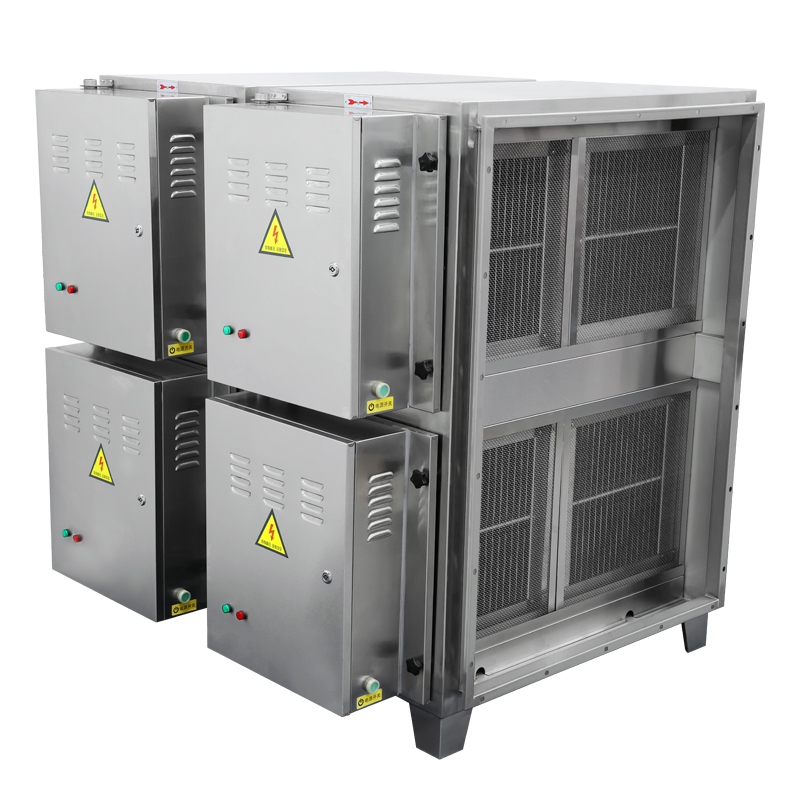 Commercial Electrostatic Precipitator
 Commercial Kitchen ESP Hood
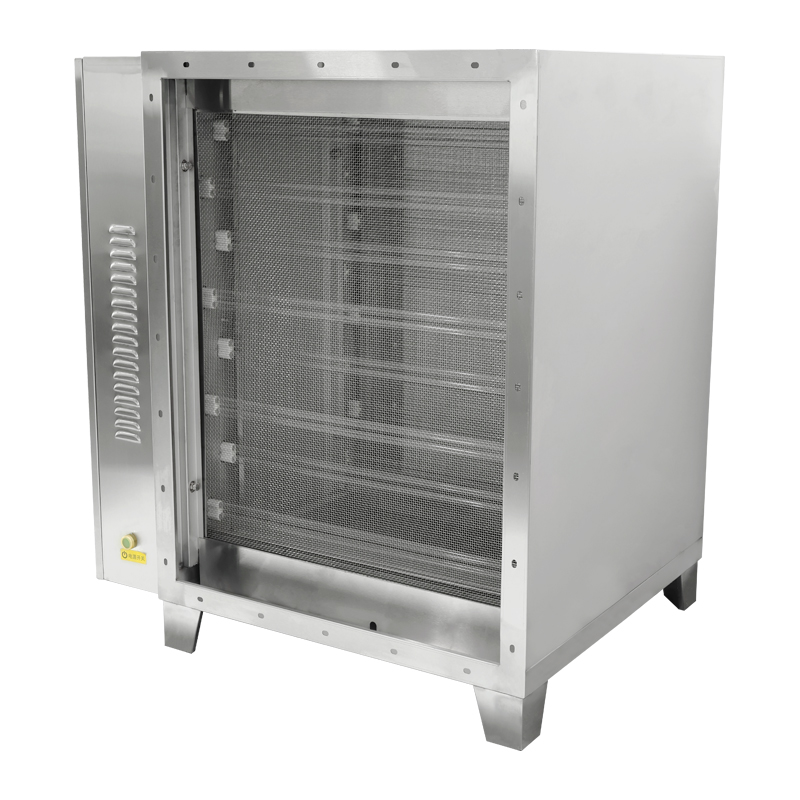 UV Deodorate Purifier
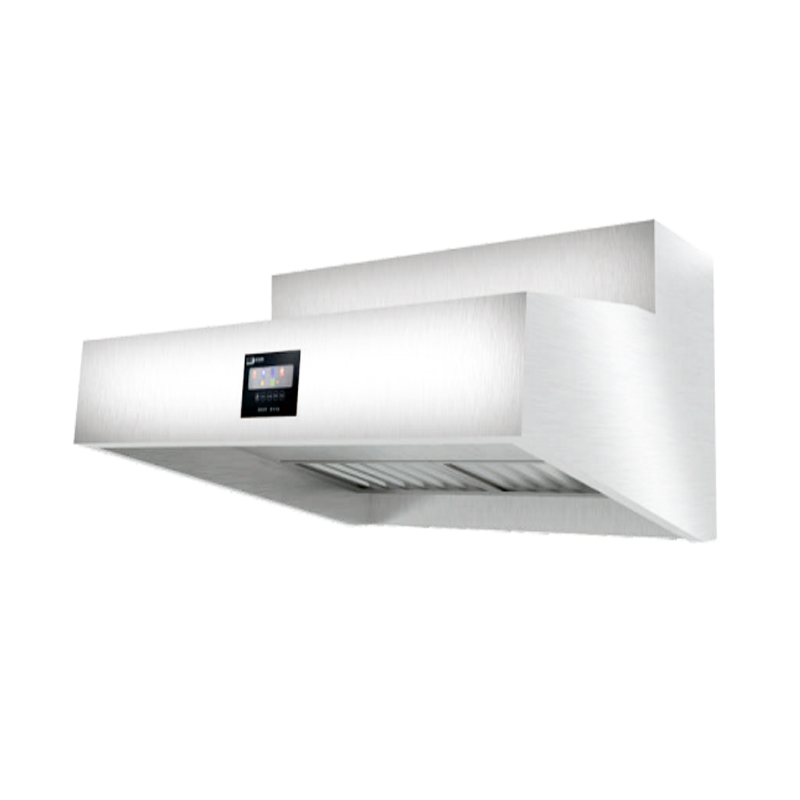 II Commercial Exhaust Hood
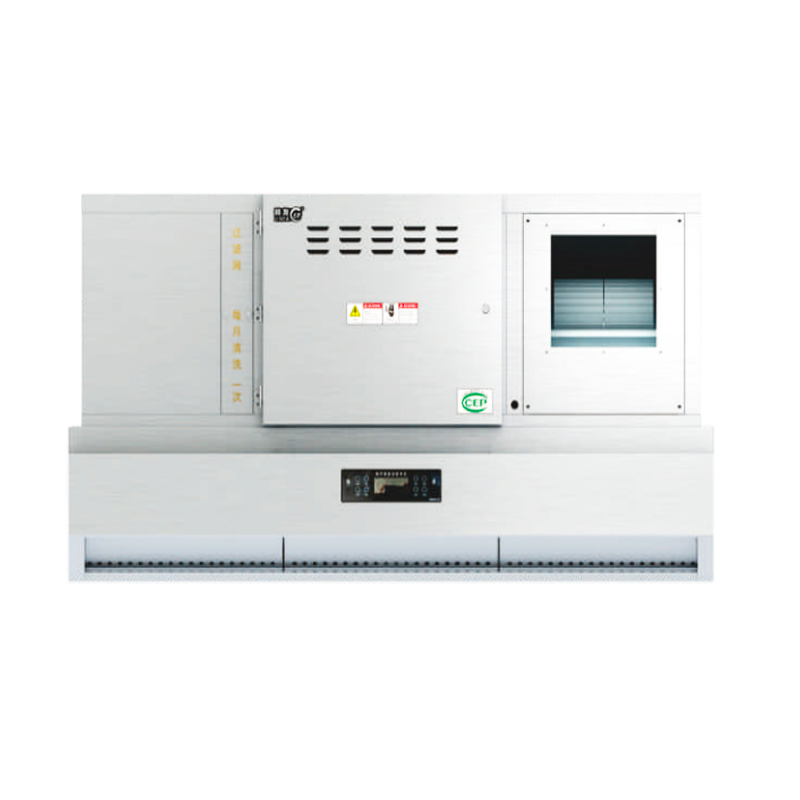 Commercial ESP Range Hood


